
South Sudan Coast

South Sudan Travel Overview

Essential facts and advice for visiting South Sudan.

0 جولات
6 الأدلة
2 مدن
payments

العملة

South Sudanese pound (SSP)

translate

اللغة

English (official)

groups

عدد السكان

≈11 million

passport

التأشيرة

Required; obtainable in advance or on arrival for some nationals

security

السلامة

Security concerns; travel with caution, avoid conflict zones

savings

تكلفة السفر

Low to moderate; inexpensive accommodation and meals, higher transport costs

wb_sunny

أفضل وقت للزيارة

Dry season, November – February

South Sudan في لمحة

South Sudan, a young nation in East‑Central Africa, uses the South Sudanese pound and English as its official language. With an estimated population of around 11 million people, the country operates on Central Africa Time (UTC+3). Its climate is tropical savanna, featuring a distinct dry season that many travelers prefer. Major urban centers such as Juba, Wau, Malakal, Bor, Bentiu, Winejok, Yei, Kuacjok, Pajok, Gogrial, Yambio, and Aweil showcase the country's cultural and geographic diversity.
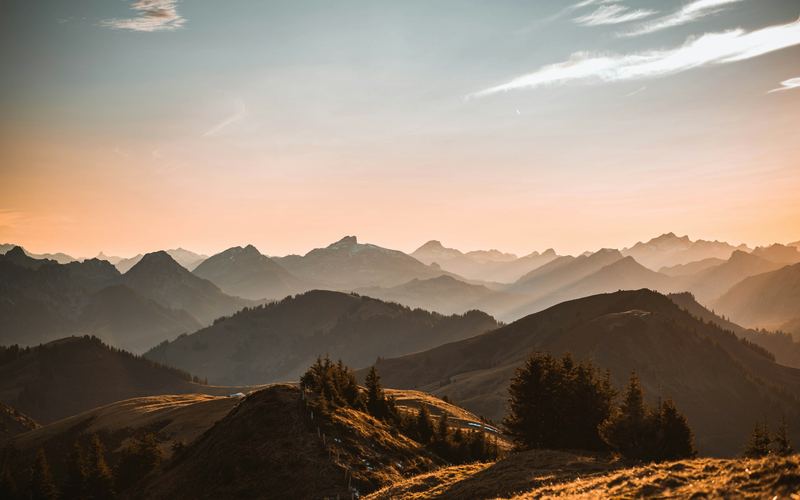
South Sudan view South Sudan view

عرض الخريطة

استكشف South Sudan على الخريطة

متمركز على المدن الرئيسية في البلد ومضبوط ليُظهر الوجهة كاملة في الصورة.

place 2 معالم public بنمط خرائط غوغل
search
منطقة البحث
South Sudan
موقع البلد
South Sudan
تم التمركز من 2 نقطة مدينة.
open_in_new فتح في خرائط غوغل

نظرة عامة على السفر في South Sudan

The country is best suited for adventurous travelers interested in cultural immersion and wildlife experiences during the dry months of November to February. While basic travel costs remain low, visitors should plan for higher expenses related to transport and limited infrastructure. Safety considerations are paramount; staying informed about security updates and avoiding high‑risk areas enhances the experience. South Sudan offers a unique glimpse into a developing nation with rich traditions and emerging tourism opportunities.

South Sudan view South Sudan view

المدن في South Sudan

استكشف المدن الرئيسية في South Sudan وافتح كل مدينة لمعرفة المزيد من التفاصيل المحلية.

نصائح سفر أساسية

احجز مبكراً

تمتلئ المسارات والفنادق الشائعة بسرعة في موسم الذروة.

نوّع وسائل النقل

استخدم القطارات بين المدن ووسائل النقل المحلية داخل المراكز.

ابقَ في موقع مركزي

اختر منطقة قابلة للمشي لتوفير الوقت.

جهّز النقد

بعض الأنشطة الصغيرة ما زالت تفضّل الدفع النقدي للمشتريات البسيطة.

احزم بذكاء

الأحذية المريحة أهم من أي شيء آخر.

الأسئلة الشائعة

What are the visa requirements for traveling to South Sudan? expand_more
Visitors must obtain a visa to enter South Sudan. Most travelers can apply at a South Sudanese embassy or consulate before departure. Certain nationalities are allowed to receive a visa on arrival at Juba International Airport, but it is advisable to confirm eligibility in advance and carry the necessary documentation.
When is the best time of year to visit South Sudan? expand_more
The optimal period for visiting South Sudan is the dry season, which runs from November through February. During these months rainfall is minimal, roads are more passable, and wildlife viewing is easier. Travelers planning outdoor activities or road trips should aim for this window.
How safe is it to travel in South Sudan and what precautions are recommended? expand_more
South Sudan faces security challenges, including occasional armed conflict and crime. Travelers should stay updated on travel advisories, avoid known conflict zones, and move with reputable local guides. Registering with your embassy, maintaining a low profile, and limiting night travel are practical steps to enhance safety.
What is the typical cost of a trip to South Sudan for budget travelers? expand_more
Budget travelers can expect low to moderate expenses. Basic accommodation and local meals are inexpensive, often under $20 per day. However, internal transport, especially chartered vehicles or flights, can raise overall costs. Planning ahead and using shared transport where possible helps keep the budget manageable.
Which cities are most recommended for first‑time visitors to South Sudan? expand_more
First‑time visitors often start in Juba, the capital, for its administrative services and limited amenities. Other recommended stops include Wau for its market culture, Malakal for river scenery, and Yei for a glimpse of southern traditions. Each city offers distinct experiences reflecting the country's diversity.
What language is primarily spoken in South Sudan and will I need a translator? expand_more
English is the official language used in government, education, and most urban settings. While many residents also speak local languages such as Dinka and Nuer, English is sufficient for most interactions in cities and tourist areas. A translator may be helpful in remote rural zones.
What is the local currency and how can I exchange money in South Sudan? expand_more
The South Sudanese pound (SSP) is the legal tender. Currency exchange is available at banks and selected hotels in Juba and other major towns. Travelers should carry some US dollars or euros as a backup, as ATMs are limited and not all establishments accept cards.
What climate can I expect during the dry season in South Sudan? expand_more
During the dry season, South Sudan experiences hot temperatures ranging from 30 °C to 40 °C, with low humidity and minimal rainfall. Clear skies dominate, making it suitable for wildlife spotting and road travel, though daytime heat can be intense, so adequate hydration and sun protection are essential.
How many time zones does South Sudan have? expand_more
South Sudan operates within a single time zone: Central Africa Time (UTC+3). This uniformity simplifies scheduling for travelers moving between different regions of the country.
What are the main transportation options for getting between major cities in South Sudan? expand_more
Road transport is the primary means of moving between cities, with chartered 4x4 vehicles being common due to variable road conditions. Domestic flights operate from Juba to a few regional airports, but schedules are limited. River transport is possible along the White Nile during high water.