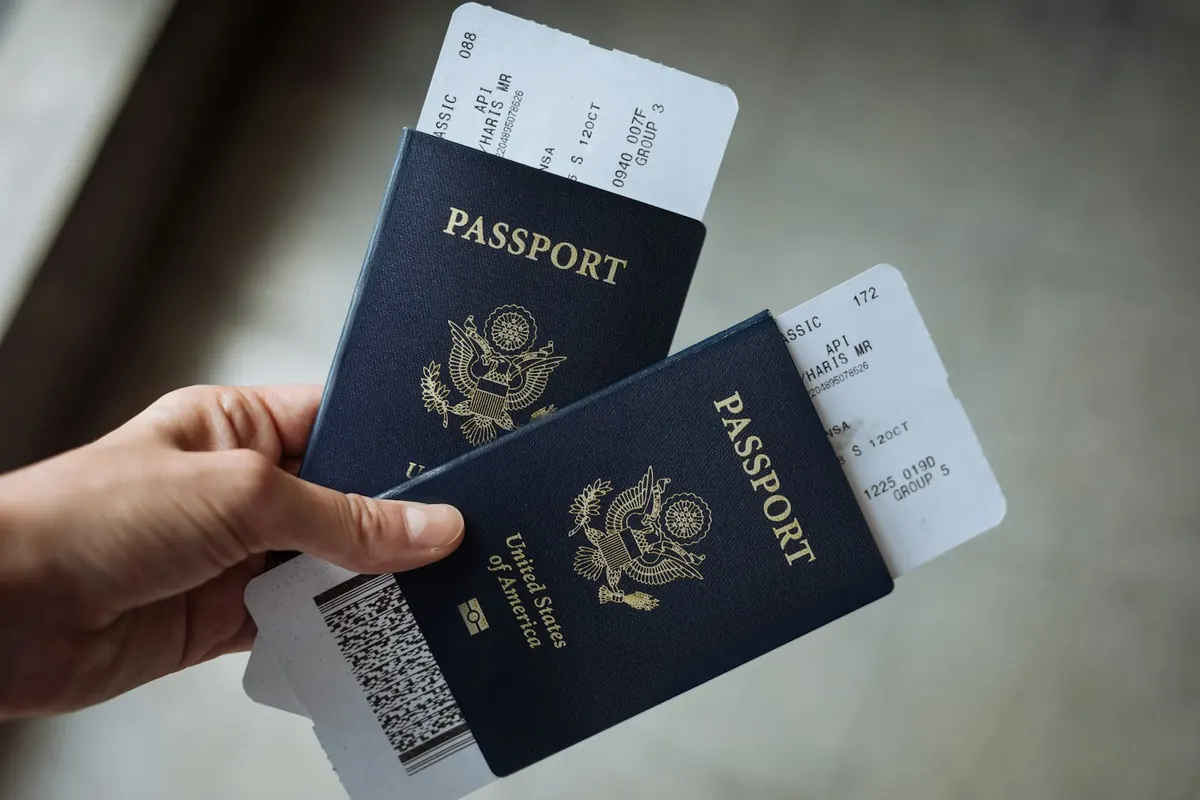
Canadian banks must verify identity of all new account customers under FINTRAC rules
All Canadian banks must confirm the identity of anyone opening a new account, following FINTRAC anti‑money‑laundering guidance. The requirement is already in force and applies to newcomers and all other customers seeking a first bank account.
في هذا الخبر
لم يُترجم هذا الخبر إلى لغتك بعد، لذلك يظهر بالإنجليزية.
في لمحة
- What changes
- Banks must verify identity of every new account holder using FINTRAC‑mandated methods
- Timing
- Requirement is currently in effect with no new start date announced
- Who is affected
- Anyone opening a first Canadian bank account, including newcomers
التفاصيل
Legal framework
Canadian banks are legally required to confirm the identity of anyone opening an account. The rule comes from federal anti‑money‑laundering legislation and is enforced by FINTRAC, the country’s financial intelligence unit.
Approved verification routes
FINTRAC publishes guidance on acceptable identity‑verification methods. In practice banks choose from three routes: a government‑issued photo ID such as a passport, permanent resident card or work or study permit; a credit‑file match against a bureau record that has existed for at least three years; or a dual‑process method that combines two independent sources like a utility bill and a bank statement.
- Photo ID must be presented in person or via video and include a valid immigration document showing status and expiry
- Credit‑file method is unavailable for most newcomers because they lack a three‑year Canadian credit history
- Dual‑process method requires two documents confirming name and address or name and date of birth
Practical steps for newcomers
Newcomers should bring original documents, not phone photos. A passport plus an immigration document (study permit, work permit, or permanent resident card) is the core requirement. Adding proof of address, such as a signed lease or a university letter, helps when a permanent address is not yet established. Consistent spelling across all documents avoids delays.
- If name spelling differs between passport and permit, correct the mismatch before visiting the branch
- Banks may relax address rules for the first few weeks through newcomer programmes
- Expired or near‑expiry permits (less than a month remaining) are typically rejected
ماذا يعني هذا للمسافرين
تخطيط الرحلة
- Travelers who have already booked a move to Canada should allow extra time after landing to gather the required documents before visiting a bank branch
- Those planning to open an account before arrival must still present original documents in person within the bank’s post‑landing window
التكلفة والوثائق
- No new fees are introduced; the cost is limited to obtaining original government‑issued IDs and any required immigration documents
- Proof of address, such as a lease or university letter, may be needed if the newcomer does not yet have a permanent residence
ما عليك فعله
- Bring a passport and a valid immigration document (study permit, work permit, or permanent resident card) to the branch
- If possible, carry a proof‑of‑address document or be prepared to discuss temporary‑address alternatives with the teller
- Check that name spelling matches across all documents before the bank visit
من يتأثر بهذا
-
Newcomers with study permits
They must present both a passport and a study permit to satisfy the photo‑ID verification route
ما يجب فعله Gather original passport and study permit, plus any address proof, before visiting a bank
-
Newcomers without Canadian credit history
The credit‑file verification method is unavailable without a three‑year Canadian credit record
ما يجب فعله Rely on photo‑ID or dual‑process methods and provide alternative address documentation
-
All first‑time bank account applicants
FINTRAC rules apply to every new customer, regardless of immigration status
ما يجب فعله Prepare original government‑issued ID, immigration document, and address proof as required
الأسئلة الشائعة
What documents do I need to open a Canadian bank account as a newcomer?
You need a passport and a valid immigration document such as a study permit, work permit or permanent resident card, both original and not expired. Adding a proof‑of‑address like a lease or university letter helps, especially if you do not yet have a permanent address.
Can I open a Canadian bank account before I land in Canada?
Some banks allow you to start an application from abroad, but you will still need to visit a branch with original documents within a set period after landing. Check the specific bank’s newcomer page for its exact requirements.
Why was my application rejected even though I had a passport and permit?
Common reasons include mismatched name spelling between documents, an immigration permit that expires in less than a month, or missing proof of address. Banks must follow strict identity‑verification rules, so any discrepancy can cause a pause.
Is a credit‑file check usable for me as a new immigrant?
No, the credit‑file method requires a Canadian credit record that has existed for at least three years, which most newcomers do not have. You will need to use the photo‑ID route or the dual‑process method instead.
How does privacy law protect my personal information with Canadian banks?
Canada’s federal privacy law, PIPEDA, requires banks to explain why they collect your data, limit collection to what is reasonable, allow you to access your file, and protect the information with appropriate safeguards. You can request corrections and file complaints with the Privacy Commissioner if needed.