ليلشيرا


EU Schengen visa to go online around 2030, what travelers need to know
The European Union has approved a single online platform for Schengen visa applications. The platform is expected to start operating around 2030, affecting all travellers who currently apply for short‑stay Schengen visas. Until the Commission sets a definitive launch date, existing paper procedures remain in force.
في هذا الخبر
لم يُترجم هذا الخبر إلى لغتك بعد، لذلك يظهر بالإنجليزية.
في لمحة
- What changes
- A single EU online portal will replace individual consular visa applications once launched
- Timing
- The Commission expects the platform to be operational around 2030
- Who is affected
- All applicants for short‑stay Schengen visas across the 27 Member States
التفاصيل
- الجهة المعلنة
- Council of the EU
- القاعدة السابقة
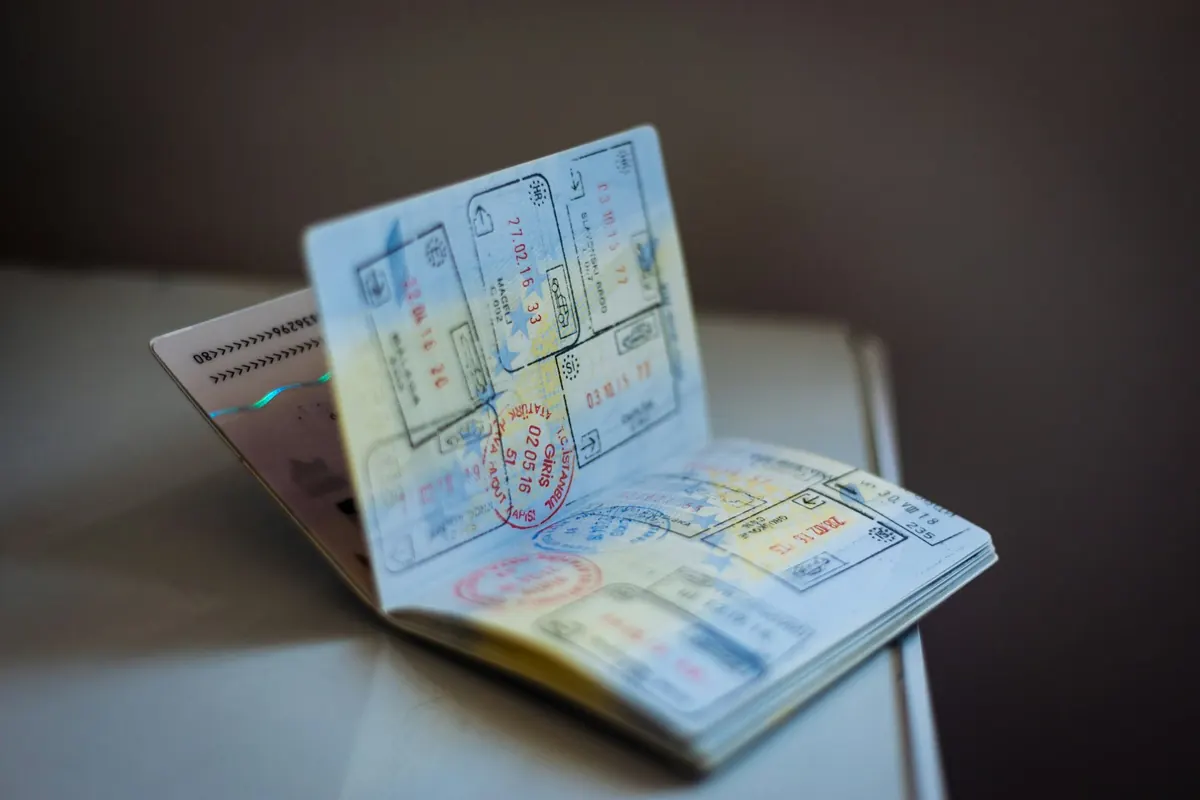
- Visa applications are currently submitted to the consulate or visa centre of the intended destination country using paper forms, and visas are issued as stickers in passports.
- القاعدة الجديدة
- When the EU Visa Application Platform becomes operational, applicants will submit a single online application, upload electronic documents, and receive a digital visa record, while Member States may retain paper procedures for up to seven years after launch.
Regulatory framework
The digitalisation package was approved by the Council of the EU on 13 November 2023 and published in the Official Journal on 7 December 2023. It consists of Regulation (EU) 2023/2667, which creates the EU Visa Application Platform, and Regulation (EU) 2023/2685, which allows visas to be issued in digital format.
- Regulation (EU) 2023/2667 – establishes the online platform
- Regulation (EU) 2023/2685 – amends visa format for digital issuance
- Both regulations adopted in November 2023
Timeline and transition
The European Commission has indicated that the platform is expected to start operating around 2030. eu‑LISA, the agency building the system, targets an entry‑into‑operation date of 2028 in its internal planning, but neither date is legally binding. Member States may continue using existing paper procedures for up to seven years after the platform’s launch, meaning some countries could keep paper applications until the mid‑2030s.
- Commission estimate: launch around 2030
- eu‑LISA internal target: 2028
- Member States may retain paper processes for up to seven years post‑launch
Changes to the application process
Once live, applicants will create an account on the EU Visa Application Platform, fill in a unified form, and upload scanned copies of required documents. The system will automatically suggest the competent Member State based on the itinerary, though final competence checks remain national. Digital visas will be stored as a cryptographically signed barcode in the Visa Information System, replacing the traditional sticker for future issuances. In‑person appointments will still be required for first‑time applications with a new passport or when fingerprints have not been taken within the previous 59 months.
The visa fee remains unchanged at €90 for adults and €45 for children aged six to eleven, as set on 11 June 2024.
- Online account creation and document upload
- Automated competence check for the responsible Member State
- Digital visa record replaces sticker after full transition
- In‑person visit still needed for new passports or missing fingerprints
ماذا يعني هذا للمسافرين
تخطيط الرحلة
- Existing bookings remain valid; travellers must continue using current paper application routes until the platform launches.
- No change to entry dates or visa validity periods for visas issued before the platform becomes operational.
التكلفة والوثائق
- Visa fee stays at €90 for adults and €45 for children aged six to eleven; no new fee is introduced by the digital system.
- Applicants will eventually need to upload electronic copies of passport scans and supporting documents, but this requirement does not apply yet.
ما عليك فعله
- Continue submitting applications through the relevant consulate or visa centre until the Commission announces a definitive launch date.
- Monitor official EU communications for the exact start date of the EU Visa Application Platform.
- Prepare to create an online account and gather digital copies of documents when the platform becomes available.
من يتأثر بهذا
-
First‑time Schengen visa applicants
They must submit a new application and will be required to appear in person for passport verification.
ما يجب فعله Continue using the current consular process until the online platform is launched.
-
Repeat Schengen visa holders
They may be able to apply without a consular visit once the platform is live, provided fingerprints are recent.
ما يجب فعله Watch for the platform’s launch and be ready to submit applications online.
-
Applicants needing fingerprint verification
Fingerprints older than 59 months still trigger an in‑person appointment under the new rules.
ما يجب فعله Ensure fingerprints are taken within the required timeframe or plan for a consular visit.
-
Visa‑exempt travellers (ETIAS users)
The digital visa platform applies only to Schengen visa applicants, not to visa‑exempt nationals.
الأسئلة الشائعة
When will the EU online Schengen visa platform launch?
The European Commission expects the platform to start operating around 2030, while eu‑LISA aims for a 2028 entry‑into‑operation date, but no legally binding date has been set yet.
Do I need to apply online for a Schengen visa now?
No. Until the Commission fixes a launch date, visa applications must continue to be submitted through the individual consulates or visa centres using the existing paper process.
How long can member states keep using paper applications after the platform launches?
Member states may retain their current paper procedures for up to seven years from the date the EU Visa Application Platform becomes operational.
Will the Schengen visa fee change with the new digital system?
The fee remains unchanged at €90 for adults and €45 for children aged six to eleven, as set on 11 June 2024; the digital platform does not introduce a new fee.
Will the visa sticker disappear immediately after the platform goes live?
No. Digital visas will be issued as a record in the Visa Information System, but stickers will continue to be produced for visas not issued digitally and for member states that have not yet joined the platform during the transition period.
Do I still need to visit a consulate for my first Schengen visa application?
Yes. An in‑person appointment remains mandatory for first‑time applicants with a new passport or when fingerprints have not been taken within the previous 59 months, even after the online platform is introduced.