 ليلشيرا



رحلة 21 يوماً إلى بحيرة تيلتشو وممر ثورونغ لا في جبال الهملايا
إلغاء مجاني
حتى 24 ساعة مقدمًا لاسترداد المبلغ بالكامل.
التذاكر عبر الهاتف المحمول
استخدم هاتفك للدخول إلى وجهتك.
لغة المرشد
الإنجليزية، الإسبانية
حجم المجموعة
بحد أقصى 12 شخصًا
الوصف
المسار مناسب للعائلات والمسافرين من جميع الأعمار الذين يرغبون في مزيج من المغامرة والثقافة. يُقَدَّم الدليل باللغة الإنجليزية بنظام إرشاد جزئي، ما يسمح للمتسلقين بالاستمتاع بالرحلة بصورة مستقلة مع دعم احترافي عند الحاجة. تشمل الأنشطة الاختيارية التسوق في منطقة ثامل، سفاري في شيتوان، رحلات التجديف، جولة تسوق في وادي كاتماندو، طيران منظوري فوق إيفرست، وركوب الدراجات الجبلية، بالإضافة إلى أنشطة أخرى حسب الطلب. التقييم العام للرحلة هو 4.6 من 5 بناءً على آراء المشاركين.
خطة الرحلة
الوصول إلى كاتماندو وجولة ثقافية تمهيدية
لقاء تمهيدي مع الدليل، زيارة بوذاناث ستوبا، معبد باشوباتيناث، ساحة بهكتابور، مع مرشد خاص ومركبة خاصة.
بدء مسار المشي من بيسيساهار إلى مانانغ
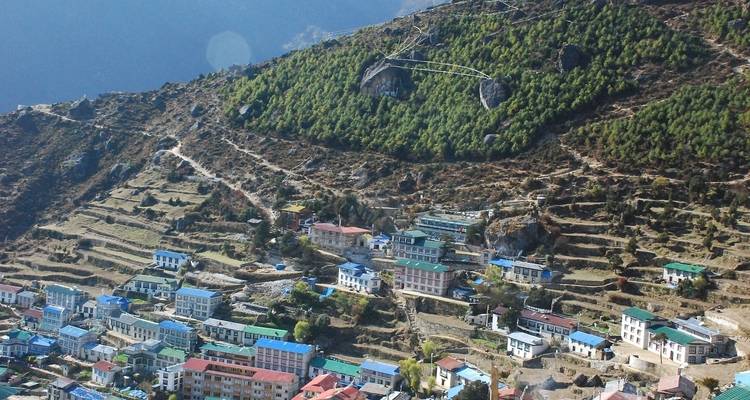
المشي عبر قرى غورونغ، عبور جسر معلق على نهر مارسياجندي، مرور بقرى حجريّة وغابات، وصول إلى مانانغ مع يوم تأقلم.
من مانانغ إلى قاعدة بحيرة تيلتشو
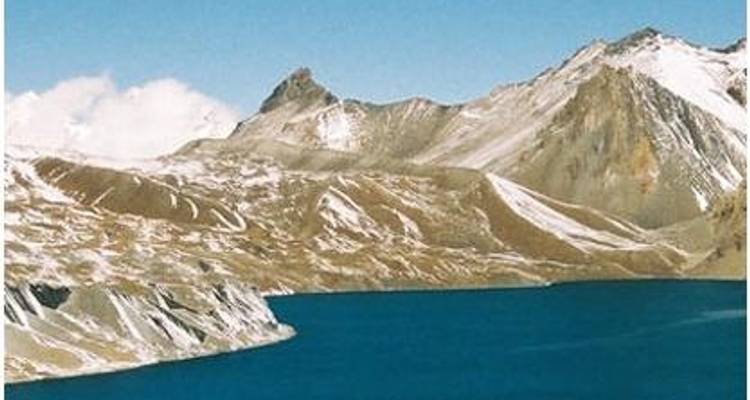
عبور قرى خنغسار، صعود إلى قاعدة بحيرة تيلتشو عبر مسارات حديثة، ثم رحلة صباحية إلى بحيرة تيلتشو وزيارتها.
عبور ممر ثورونغ لا إلى موكتيناث
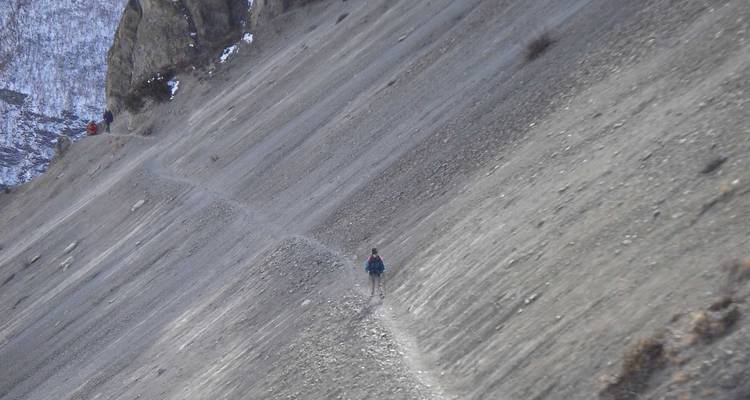
المشي من ياك خاركا إلى ثورونغ بيدي، صعود ممر ثورونغ لا (5416 م)، وصول إلى موكتيناث، زيارة معبد موكتيناث ومعبد جwala ماي.
من موكتيناث إلى جومسوم ثم إلى بوكارا
المشي إلى إكليب هاتي، ثم رحلة جوية إلى بوكارا، جولة في وادي بوكارا تشمل بحيرة فيوا، شلال ديفي، المتحف، مخيم اللاجئين التبتي، كهف غوبتيشاور.
يوم حر في بوكارا وعشاء وداع تقليدي
يوم استراحة في بوكارا، ثم عودة إلى كاتماندو مع عشاء وداع في مطعم نيبالي تقليدي مع عروض رقص.
المغادرة من كاتماندو
إنهاء الرحلة ومغادرة كاتماندو حسب جدول الرحلة.
نقطة الالتقاء

يشمل
- task_alt Flights
- task_alt Guide
- task_alt Additional Services
لا يشمل
- close المصاريف الشخصية
- close الإكراميات والبقاشيش
- close إضافات اختيارية
- close تأمين السفر
الأسئلة الشائعة
What is included in the price of the Tilicho Lake and Thorung La Pass Trek?
The tour price covers the private vehicle transfers in Kathmandu, the domestic flight from Jomsom to Pokhara, a professional guide, accommodation throughout the 21‑day itinerary, most meals, entrance fees to cultural sites, the farewell dinner, and additional services listed by the operator. Specific details about breakfast, lunch, or dinner breakdown are not provided in the source, so you should confirm the exact meal plan with the tour provider before booking.
Are the domestic flights between Jomsom and Pokhara covered in the tour price?
Yes. The internal flight from Jomsom to Pokhara is listed as an included service, so the cost of that flight is part of the overall tour price. This flight is scheduled after the Thorung La Pass section and before the Pokhara sightseeing day.
Are there any additional costs that are not covered by the tour price?
Additional expenses may include international airfare to and from Kathmandu, the Nepal tourist visa fee, personal travel insurance, optional activities, tips for guides and drivers, extra meals not covered by the itinerary, laundry services, souvenirs, and any personal items you purchase on the trail. It is advisable to budget extra cash for these items.
What is the cancellation and refund policy for this 21‑day trek?
A specific cancellation policy is not provided in the source data. Typically, operators allow a full refund up to 30 days before departure, a partial refund (often 50 %) up to 14 days, and no refund after that, but exact terms vary. Check the contract or ask the provider for their precise cancellation and refund conditions before you book.
Is travel insurance required, and does the tour provide any insurance coverage?
The tour description does not state that insurance is mandatory, but it is strongly recommended for high‑altitude trekking. The operator does not include travel insurance in the price, so you will need to purchase a policy that covers medical evacuation, emergency treatment, and high‑altitude trekking activities on your own.
When does the Tilicho Lake and Thorung La Pass Trek start, and what is the daily itinerary?
The exact start date is set by the tour operator and is not listed in the source. The trek begins with arrival in Kathmandu, a pre‑trek meeting, and several days of sightseeing before the trailhead at Besisahar. The itinerary then follows a 21‑day route through the Annapurna region, including Tilicho Lake, Thorung La Pass, Muktinath, and a final flight to Pokhara, ending with a farewell dinner in Kathmandu.
Where is the pre‑trek meeting held in Kathmandu and what should I bring?
The pre‑trek meeting takes place in Kathmandu after your arrival, typically at the hotel or a designated briefing venue arranged by the operator. You should bring your passport, trekking permits (if already obtained), travel insurance documents, a copy of the itinerary, any required medical information, and basic trekking gear such as a waterproof jacket, sturdy boots, and a sleeping bag. The guide will confirm the exact location and any additional items needed.
How many kilograms of luggage am I allowed to carry on the trek and on the internal flight?
While the source does not give a specific limit, most Nepal trekking packages allow 15–20 kg of packed gear for the trek and a separate day‑pack of 5–7 kg. The domestic flight from Jomsom to Pokhara usually permits a checked bag of up to 15 kg. Verify the exact baggage allowance with the tour operator to avoid surprises.
Are airport transfers between Kathmandu and the trailhead included in the package?
Yes. Private vehicle transfers are listed as part of the included services, covering transportation from Kathmandu airport to your hotel, onward to Besisahar (the trailhead), and later transfers to Jomsom airport for the internal flight. These transfers are coordinated by the guide and are included in the overall tour price.
Do I need a visa to travel to Nepal for this trek?
Most nationalities require a tourist visa to enter Nepal. Visas can be obtained on arrival at Tribhuvan International Airport in Kathmandu or online through the Nepal Immigration website. The visa fee varies by length of stay and nationality, so check the current requirements before you travel.
What documents are required to obtain a Nepal visa for the trek?
You will need a passport valid for at least six months beyond your intended departure date, a completed visa application form, one recent passport‑size photograph, and the visa fee in cash (USD or NPR). Some travelers also provide a copy of their flight itinerary and proof of accommodation, but these are not mandatory for the visa on arrival.
Is travel insurance mandatory for this trek, and what minimum coverage is recommended?
Travel insurance is not listed as mandatory, but it is highly advised for any high‑altitude trek in Nepal. A suitable policy should cover emergency medical treatment, evacuation, repatriation, and high‑altitude trekking (up to at least 5,500 m). Look for a minimum coverage of US $50,000 for medical expenses and evacuation.
What fitness level is recommended for the Tilicho Lake and Thorung La Pass Trek?
The trek involves daily walking of 5–7 hours, steep ascents, and altitude up to 5,416 m at Thorung La Pass. A moderate to high fitness level is recommended, with prior trekking or mountain‑hiking experience preferred. Participants should be comfortable with long days on uneven terrain, have good cardiovascular health, and be able to acclimatize to high altitude.
Is this trek suitable for families with children, and what age is recommended?
The trek can be done by families with older children who are physically fit and can handle high altitude. Most operators suggest a minimum age of 12 years for this route, as younger children may struggle with the altitude and daily distances. Parents should ensure children are well‑acclimatized and have appropriate gear.
Can senior travelers (60+) safely complete the trek, and are there any special accommodations?
Senior travelers in good health can complete the trek, especially because the itinerary includes acclimatization days in Manang and a relatively paced schedule. It is advisable to obtain a medical clearance, travel with a guide who can adjust the pace if needed, and consider additional rest days. The tour provider may arrange a lighter load or extra support upon request.
Which cultural sites are visited during the Kathmandu portion of the trek?
During the Kathmandu stay, the itinerary includes visits to Boudhanath Stupa, where Buddhist monks are observed; Pashupatinath Temple, showcasing Hindu rituals; and Bhaktapur Durbar Square, featuring the Lion Gate, Golden Gate, Palace of Fifty‑Five Windows, and local art galleries. A professional guide and private vehicle accompany the group for these cultural excursions.
What are the main natural highlights of the Tilicho Lake and Thorung La Pass sections?
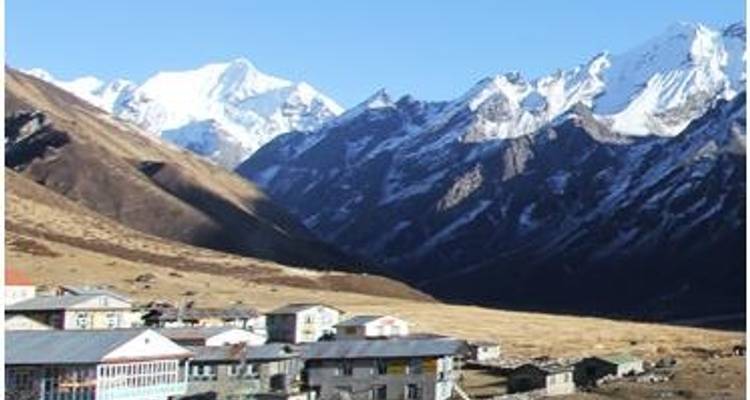
Key natural highlights include the high‑altitude Tilicho Lake (4,919 m) with its striking turquoise waters, the Thorung La Pass at 5,416 m offering panoramic views of the Annapurna range, hot springs near Chame, the dramatic Marsyangdi River suspension bridge, and the stark desert‑like landscapes of the Upper Manang district. These features provide a mix of glacial lakes, rugged passes, and alpine scenery.
Is the Tilicho Lake and Thorung La Pass Trek a good choice for someone visiting Nepal for the first time?
Yes, for first‑time visitors who are fit and seek a comprehensive high‑altitude experience, this trek combines iconic Annapurna Circuit highlights, cultural immersion in Kathmandu and Manang, and guided logistics that simplify travel in remote areas. The pre‑trek meeting, acclimatization days, and professional guide make it a manageable introduction to Nepal’s trekking scene, provided you are comfortable with altitude up to 5,416 m.
Which type of traveler gets the most value from this 21‑day trek?
Active trekkers who want to experience both high‑altitude mountain passes and rich cultural sites gain the most value. The tour suits adventure‑oriented families with older children, seasoned hikers looking for a well‑organized Annapurna Circuit segment, and cultural enthusiasts who appreciate visits to temples, monasteries, and traditional villages along the route.
What should I prepare before joining the Tilicho Lake and Thorung La Pass Trek?
Before departure, obtain a Nepal tourist visa, purchase comprehensive travel insurance covering high‑altitude trekking, and complete a basic fitness regimen that includes long hikes and stair climbing. Pack layered clothing, a high‑quality sleeping bag, trekking boots, a headlamp, and personal medication. Arrange any required vaccinations, bring enough cash in Nepalese rupees for tips and personal items, and attend the pre‑trek meeting in Kathmandu for final briefings.
How does booking this guided trek compare to organizing the same route independently?
Booking the guided trek includes permits, a professional guide, driver, private vehicle transfers, the internal flight, accommodation, and most meals, reducing logistical stress and safety concerns. Organizing independently requires you to arrange each permit, transport, guide, and flight yourself, which can be cheaper but time‑consuming and riskier, especially at high altitude. The guided option offers peace of mind and local expertise, while independent travel demands more planning and on‑the‑ground problem solving.
Can I complete the Tilicho Lake and Thorung La Pass Trek without a guide, and what are the risks?
Experienced trekkers can attempt the route without a guide, but doing so increases risks such as altitude sickness, navigation errors on less‑marked sections, language barriers, and limited emergency support. The trail crosses high passes and remote valleys where weather can change quickly. A guide provides acclimatization advice, local knowledge, and assistance in case of medical emergencies, making the trek considerably safer for most travelers.
قد يعجبك أيضًا
المزيد من الجولات في نفس الوجهة
من
$0 شخص