Lilshira


How Many Days in Istanbul Do You Need? Full Guide
Back to articles
On this page
- How many days in Istanbul do you actually need?
- What 1, 2, 3, 4 and 7 days each buy
- Two days: the minimum that still works
- 3 days in Istanbul: the itinerary that covers the historic core properly
- Istanbul in 4 days: adding the Bosphorus and the Asian side
- 5 to 7 days in Istanbul: day trips that are worth the travel time
- What to see in Istanbul, in priority order
- How long to stay in Istanbul by traveller type
- Istanbul first time itinerary: the mistakes that cost you a day
- Transport time: the hidden cost in an Istanbul itinerary
- Frequently asked questions
How many days in Istanbul you need comes down to how far past Sultanahmet you want to go: three days covers the historic core and a Bosphorus crossing at a comfortable pace. Two days is tight but workable, and four or more lets you add the Asian side and a day trip.
Istanbul is unusually generous with time. The historic core is compact and walkable, which means the usual problem of a short city break, spending your days in transit, mostly does not apply here. What sets your day count is how far beyond Sultanahmet you want to go.
How many days in Istanbul do you actually need?
The honest answer depends on whether you treat Istanbul as one district or as a city of two continents. The historic peninsula alone justifies two or three days. The moment you add the Bosphorus, Beyoglu and the Asian side, four becomes the number that does not feel rushed.
What each length realistically gives you:
- 1 day — Sultanahmet only. Hagia Sophia, the Blue Mosque and the Hippodrome area, with the Grand Bazaar if you move fast. A layover plan, not a trip.
- 2 days — the historic core properly, plus one of either Topkapi Palace or the Bosphorus. The minimum that feels like a visit.
- 3 days — the standard first trip. The full historic core, a Bosphorus crossing, and an evening in Beyoglu or Kadikoy.
- 4 days — the comfortable version. Adds the Asian side, a hammam, and enough slack for one unplanned day.
- 5 to 7 days — Istanbul as a base. Day trips, the Princes' Islands, and a slower pass through neighbourhoods that reward time.
Book three days unless you already know you want the Asian side, and four if you are flying long-haul. The Istanbul city page maps the districts and the main sights, and the Turkey destination page is the place to start if Istanbul is one stop on a longer route.
What 1, 2, 3, 4 and 7 days each buy
Choosing an istanbul trip length is really a measure of how many layers of the city you reach. The first layer is the imperial core. The second is the water: the Bosphorus, the ferries, the bridges. The third is everyday Istanbul on both sides, in Beyoglu, Kadikoy and the residential neighbourhoods along the Marmara coast.
What each duration reaches:
- 1 day — first layer only, and only part of it.
- 2 days — first layer complete, plus a taste of the second.
- 3 days — first and second layers, with a full evening on the European side beyond the old city.
- 4 days — all three layers, including a proper half day on the Asian side.
- 5 to 7 days — all three layers, unhurried, plus day trips out of the city.
One thing that changes the arithmetic in your favour: Istanbul's ferries are part of the sightseeing rather than a cost against it. A crossing between the European and Asian sides is one of the best things to do in the city, so the travel time is not dead time the way it is in most large cities. That is why four days here covers more ground than four days in a comparable capital usually would.
What actually changes between the tiers is not the number of sights, it is the depth. Two days gives you the landmarks and the feeling of the place. Three days lets you do them properly, with time in the bazaar and on the water rather than just a photograph of them. Four days adds the parts of the city that are not landmarks at all, and five or more starts to depend entirely on what you do with the extra time.
Two days: the minimum that still works
2 days in Istanbul works if you accept that you are choosing one district in depth rather than seeing the city. The correct strategy is to spend both days on the historic peninsula and treat the Bosphorus as your one excursion rather than as a separate day.
- Day one — Hagia Sophia and the Blue Mosque in the morning, the Hippodrome and the surrounding square, then Topkapi Palace in the afternoon. Finish with dinner in Sultanahmet rather than travelling across the city.
- Day two — the Grand Bazaar in the morning, then a Bosphorus ferry or boat trip in the afternoon, and an evening in Eminonu or across the Galata Bridge for the view back at the skyline.
What makes two days fail is trying to include the Asian side. Kadikoy and the neighbourhoods around it need a half day each and a ferry crossing, which together consume the whole of one of your two days. Save it for a longer trip, or accept that you will see one thing properly and nothing else.
The other two-day failure mode is underestimating walking. The historic core is compact, but the major sights sit on slopes, and a day that looks like a short loop on a map involves genuine climbing between the mosques, the palace and the bazaar. Plan fewer stops than feels ambitious, not more.
3 days in Istanbul: the itinerary that covers the historic core properly
Three days gives you the classic Istanbul experience without rushing, and it is the duration most first-time visitors should book. A three-day plan that holds together looks like this:
- Day 1 — Sultanahmet. Hagia Sophia, the Blue Mosque and the Hippodrome in the morning. Topkapi Palace and its courtyards in the afternoon. Dinner in the old city.
- Day 2 — Bazaar, bridge and Beyoglu. The Grand Bazaar in the morning, the Spice Bazaar and Eminonu on foot, then cross the Galata Bridge and spend the afternoon and evening in Beyoglu and around Galata Tower.
- Day 3 — Bosphorus and the Asian side. A morning ferry or cruise up the Bosphorus, then a crossing to Kadikoy for the afternoon and an evening of food in the market streets.
Two adjustments make this plan much better. First, visit the mosques early, because they are at their calmest and brightest before the tour groups arrive, and because a working mosque sometimes restricts visits around prayer times. Second, keep one evening free rather than pre-booking every dinner, because the best evenings in Istanbul tend to be the unplanned ones.
An Istanbul itinerary 3 days long is also the shortest one that can absorb a slow morning without collapsing, which matters more than it sounds. Between the slopes of the old city and the late nights, most travellers need one gentler start somewhere in the middle of a short trip.
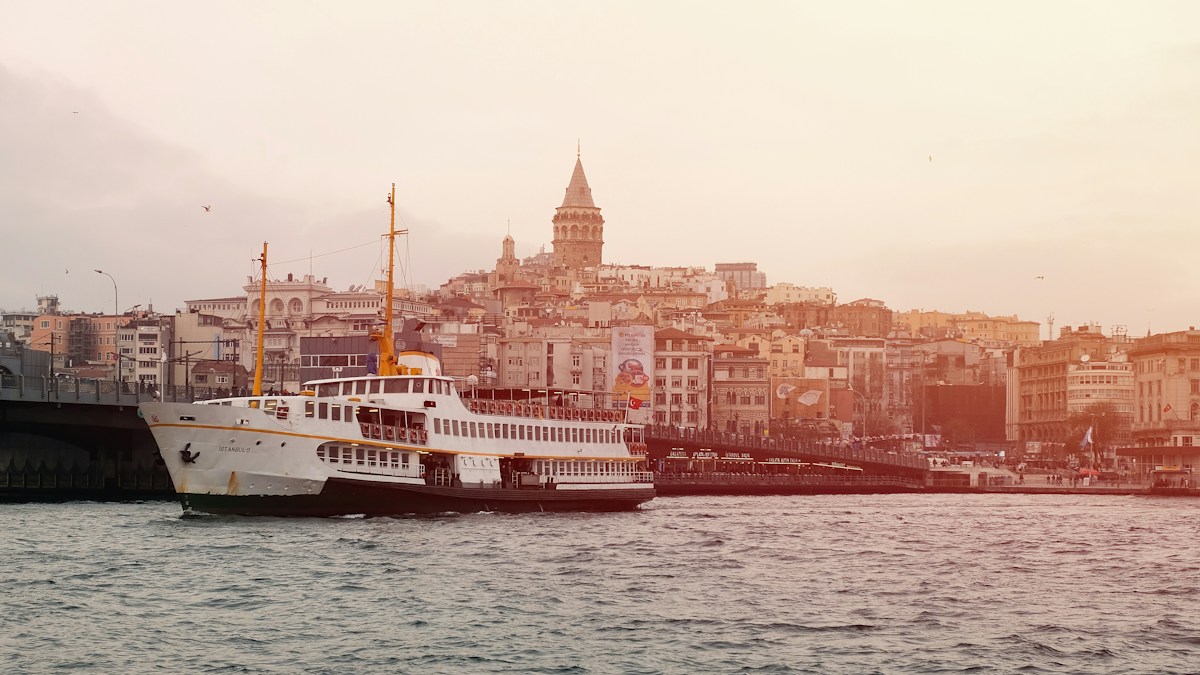
If you have to cut something, cut the Grand Bazaar rather than the Bosphorus. The bazaar is remarkable, but it is also the most tourist-facing part of the city, and a shorter visit to the Spice Bazaar and the surrounding streets gives you the atmosphere without the time cost.
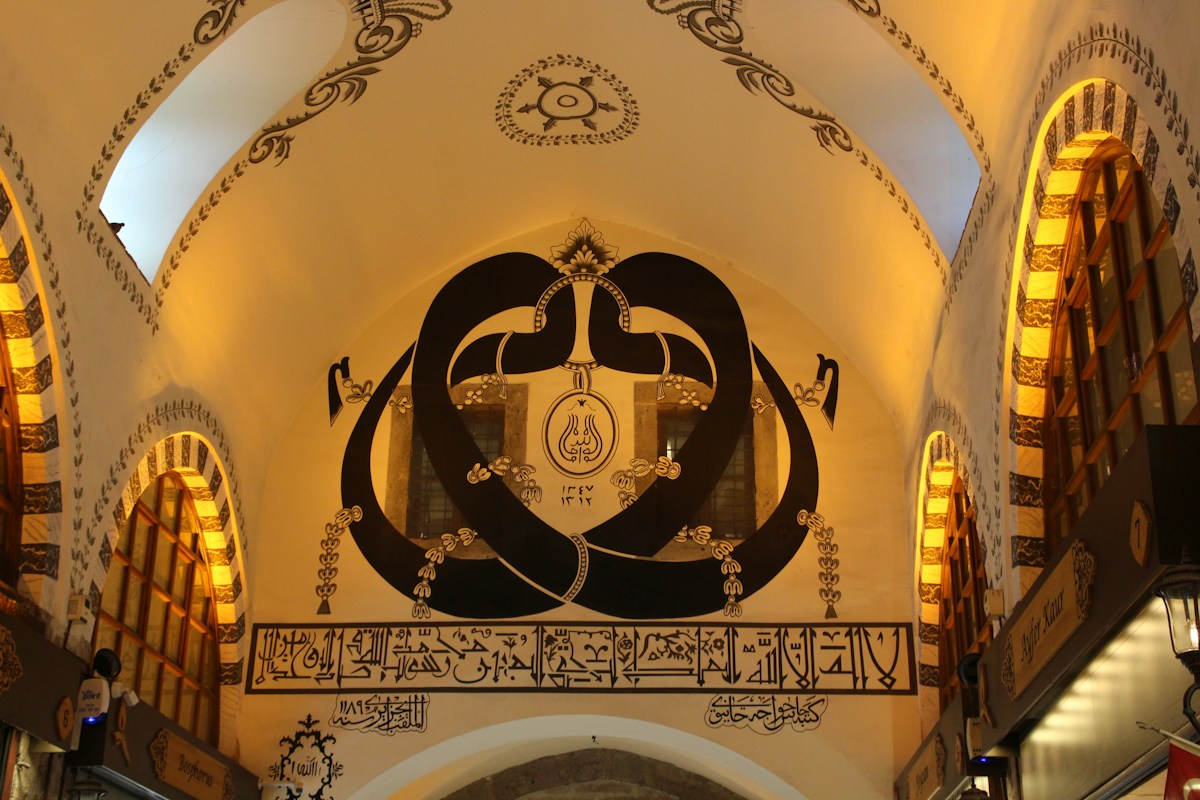
Istanbul in 4 days: adding the Bosphorus and the Asian side
Four days is the first length at which Istanbul stops feeling like a highlights tour. It buys you the Asian side without stealing a day from anywhere else, and it adds one genuinely restorative half day.
What the fourth day is best used for:
- A full Asian-side day. Kadikoy's market streets and food culture, then the waterfront and, if you have energy, the climb to the Camlica hills for the panorama back over the historic peninsula.
- A hammam. A traditional Turkish bath is a two to three hour commitment once you include the ritual, and it is best done on a day that is not already full. This is the single most under-booked experience in a typical Istanbul itinerary.
- The Princes' Islands. A ferry ride out to the car-free islands, where the pace drops entirely. This is a half day at minimum, and a full day if you go as far as the outer islands.
- A slower pass through a neighbourhood. Fener and Balat along the Golden Horn, or the streets between Galata and Taksim, both reward walking without an agenda.
Four days also changes how you experience the city. With three days you are always aware of the clock. With four, you can sit for two hours over lunch on a terrace above the Bosphorus and not feel you have wasted the trip, which is closer to how Istanbul is meant to be taken.
5 to 7 days in Istanbul: day trips that are worth the travel time
Beyond four days, Istanbul becomes a base, and the question changes from what to see in the city to what to see around it. Not every day trip earns its travel time, and knowing which do is most of the work.
- The Princes' Islands — the easiest extension, reached by public ferry, and the best one for travellers who want a change of pace rather than another monument.
- Ephesus and Pamukkale — possible as long day trips using domestic flights, though each is a long day and better done as an overnight if your time allows. A two-day Ephesus and Pamukkale tour from Istanbul by plane is the version that avoids the early start and late return.
- The Bosphorus villages — the northern end of the strait, reached by ferry, where the city thins out into fishing villages and wooded hills.
- The Asian side beyond Kadikoy — the Marmara coast and the quieter residential districts, which need their own half day.
The rule worth applying is simple: a day trip should cost you a day, not a day and a half. Anything that requires a very early start and a late return, on consecutive days, will leave you too tired to enjoy the city you came for. One extension in a week is usually the right number.
What to see in Istanbul, in priority order
Which sights you choose is well known, but the order matters more than the list. The city's major sights cluster into two groups that are a short walk apart, and grouping them correctly saves hours.
- Hagia Sophia — the centrepiece, and the one sight worth arriving early for. Allow two hours at least.
- The Blue Mosque — directly opposite Hagia Sophia. Entry arrangements change, so check before you go. Allow an hour.
- Topkapi Palace — a half day if you include the courtyards and the views over the water, less if you move quickly.
- The Grand Bazaar — two hours to browse and get a sense of it. It is a maze, and getting slightly lost is part of it.
- The Spice Bazaar and Eminonu — an hour, and much better combined with the Galata Bridge and a ferry.
- Galata Tower and Beyoglu — an afternoon and evening. The tower's queue is the main cost; the streets around it are the reward.
- A Bosphorus crossing — two hours on a public ferry, more on a tourist cruise.
- Kadikoy — half a day, mostly for food and the market streets.
- A hammam — two to three hours including the full ritual, and the easiest thing to drop from a packed plan.
- The Princes' Islands — half a day to a full one.
The order in that list is not arbitrary, because the sights cluster. Hagia Sophia, the Blue Mosque and Topkapi sit within a few minutes of each other on the same peninsula, and they are best handled in a single walk rather than three separate outings. The Grand Bazaar, the Spice Bazaar and Eminonu form a second cluster a short walk north, and the Galata Bridge connects it to a third. The result is two or three walking routes rather than a list of ten addresses, and planning it that way is what saves the time that lets you take the Bosphorus trip on the same trip. The shorter list of stops is also what makes the day feel full rather than rushed.
Two practical notes that change these numbers. The major religious sites are working buildings, so access can be restricted during prayer, and dress expectations apply to everyone. And ticket arrangements for the big monuments change, sometimes at short notice, so confirm current practice and book ahead where a booking option exists. That single habit is what prevents the most common Istanbul disappointment: arriving at the one thing you most wanted to see and finding the day's allocation already gone.
How long to stay in Istanbul by traveller type
How long you stay depends on what kind of traveller you are, and the right answer for a museum-focused visitor is not the right answer for someone who came for the food.
- First-time visitor, classic sights — three days. Enough for the historic core and one crossing, without rushing either.
- Repeat visitor — three to four days, spent almost entirely outside Sultanahmet. The old city is the least interesting part of Istanbul the second time.
- Food-focused traveller — four days. Kadikoy, Beyoglu and the meyhane districts, where traditional taverns serve meze and raki, need evenings, and evenings accumulate slowly.
- Shopper — three days. The Grand Bazaar, the Spice Bazaar, the streets around Istiklal and the Asian-side markets each want a half day.
- Short-break traveller with a long flight — four days, not three, because the first and last days will be partly lost to travel.
- Family with children — three days with shorter days, or four with built-in rest. The ferry crossings and the islands tend to be the parts children remember.
- Traveller on a layover — one day, historic core only, and no attempt to cross to Asia.
If you are unsure, three days is the safe answer and four is the generous one. Anything below two days is a compromise, and anything beyond five only pays off if you are using the city as a base for the wider region. If your time in Istanbul is limited and you would rather have the historic core handled end to end, a private one-day Istanbul tour compresses the essentials into a single day without the transport planning.
Istanbul first time itinerary: the mistakes that cost you a day
A first visit to Istanbul usually goes wrong in the same few ways, and all of them are predictable. Avoiding them is worth more than adding another sight.
- Staying in the wrong place. Sultanahmet is convenient and atmospheric, but it empties at night and the food is aimed at visitors. Beyoglu or the Galata area puts you in the city after dark, at the cost of a tram or walk to the main sights.
- Over-scheduling the mosques. Hagia Sophia and the Blue Mosque are a few minutes apart on the same square. Booking them on different days wastes a journey.
- Ignoring the slopes. The old city is hilly. A plan with five stops in a day usually becomes three.
- Crossing the Bosphorus twice. Ferries are enjoyable but they are not instant. Decide which side you are ending on and stay there for the evening.
- Leaving the bazaar until late. It is at its best in the morning, and by late afternoon the experience is more crowded and less enjoyable.
- Booking every meal. Istanbul's best food is often found by walking, and a fully booked itinerary removes the possibility.
The underlying principle is that Istanbul rewards proximity. The city is at its best when you stay in one area long enough to recognise it, rather than moving between districts to tick off attractions.
Transport time: the hidden cost in an Istanbul itinerary
Transport in Istanbul is unusually good and unusually variable. The metro, tram and ferries are fast and cheap, and the ferries double as sightseeing. Road traffic, particularly around the bridges and along the main arteries, is the opposite: slow and hard to predict.
What this means for planning:
- Use the tram and metro for fixed routes. The line along the historic peninsula is the one most visitors use constantly, and it removes the traffic risk entirely.
- Treat ferries as an activity, not a transfer. Schedule them when you want the crossing rather than when you need to be somewhere.
- Avoid the bridges at peak times. If your day involves both sides of the water, do the crossing once and build the day around it.
- Expect airport transfers to be the least predictable leg. The main airport is well outside the city, and the journey can vary widely depending on the hour.
- Walk the old city. Between Sultanahmet, Eminonu and the bazaar, walking is usually faster than any vehicle, and far more rewarding.
Istanbul is also a city where a well-chosen base can remove transport problems altogether. Staying within walking distance of the historic peninsula's two squares turns the densest part of the itinerary into a series of short walks, and the tram fills in the rest. If your Istanbul trip is part of a longer circuit through the country, Ankara and Izmir are both reachable and each works as an overnight stop rather than a day trip.
Frequently asked questions
Is 3 days enough for Istanbul?
Yes. Three days covers Hagia Sophia, the Blue Mosque, Topkapi Palace, the Grand Bazaar, a Bosphorus crossing and an evening in Beyoglu or Kadikoy, at a comfortable pace. It is the length most first-time visitors should book, and it is the shortest one that does not require dropping something major.
What is the best area to stay in Istanbul for a first visit?
Sultanahmet if you want the historic sights on foot and do not mind quiet evenings, and Beyoglu or Galata if you would rather be in the middle of the city after dark with a short tram ride to the main monuments. Both are good choices, and the decision is really about which half of the day matters more to you.
Should I visit the Asian side of Istanbul?
Yes, if you have three days or more. Kadikoy has the city's strongest everyday food culture and a market area that feels nothing like the historic peninsula. It needs a ferry crossing and half a day, which is why it does not fit into a two-day trip but fits comfortably into four.
Can I see Istanbul in 2 days?
You can, if you stay on the historic peninsula and accept one excursion by water. Two days is enough for Hagia Sophia, the Blue Mosque, Topkapi Palace, the Grand Bazaar and a Bosphorus trip. It is not enough for the Asian side, the islands or a hammam, all of which need a third or fourth day.
Do I need to book Istanbul attractions in advance?
For the most visited monuments, booking ahead is a sensible habit, because daily capacity can be reached and arrangements change. Confirm current entry rules and opening hours shortly before you travel, particularly for religious sites where access is limited around prayer times, and check what your ticket actually includes.
How many days do you need in Istanbul with a day trip?
Five days is a good figure if you want a day trip without pressure: four days for the city itself and one for the Princes' Islands or a longer Bosphorus run. Leave day trips until the end of the trip, so a late return does not compromise the parts of Istanbul you came to see.