Lilshira


How Many Days in Rome? A Trip Length Guide
Back to articles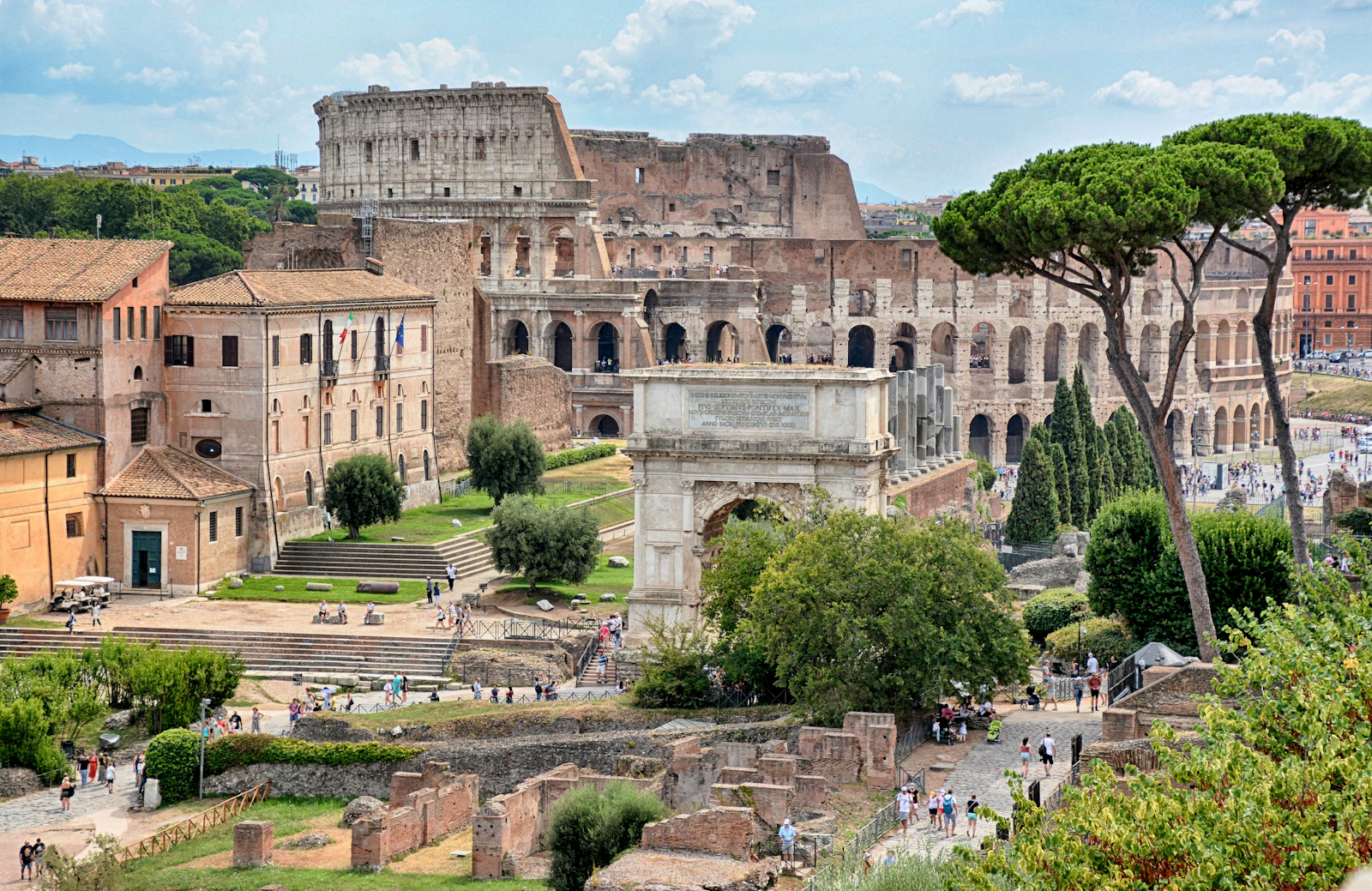
On this page
- How many days in Rome do you need?
- A 3-day Rome itinerary that covers the essentials
- What 3 days in Rome leaves out
- What 4 days in Rome adds
- 5 days in Rome and the day trips it unlocks
- Rome trip length by traveler type
- How long to stay in Rome for art and museums
- When to go: Rome month by month
- Where to stay and how it shapes your days
- How trip length changes your budget
- Frequently asked questions
The short answer to how many days in Rome you need is four full days for a comfortable first visit. Three days cover the Colosseum, the Roman Forum, the Vatican and the historic center at a brisk pace; a fourth and fifth let you add museums, neighborhoods and a day trip without rushing. Two days is a highlights sprint.
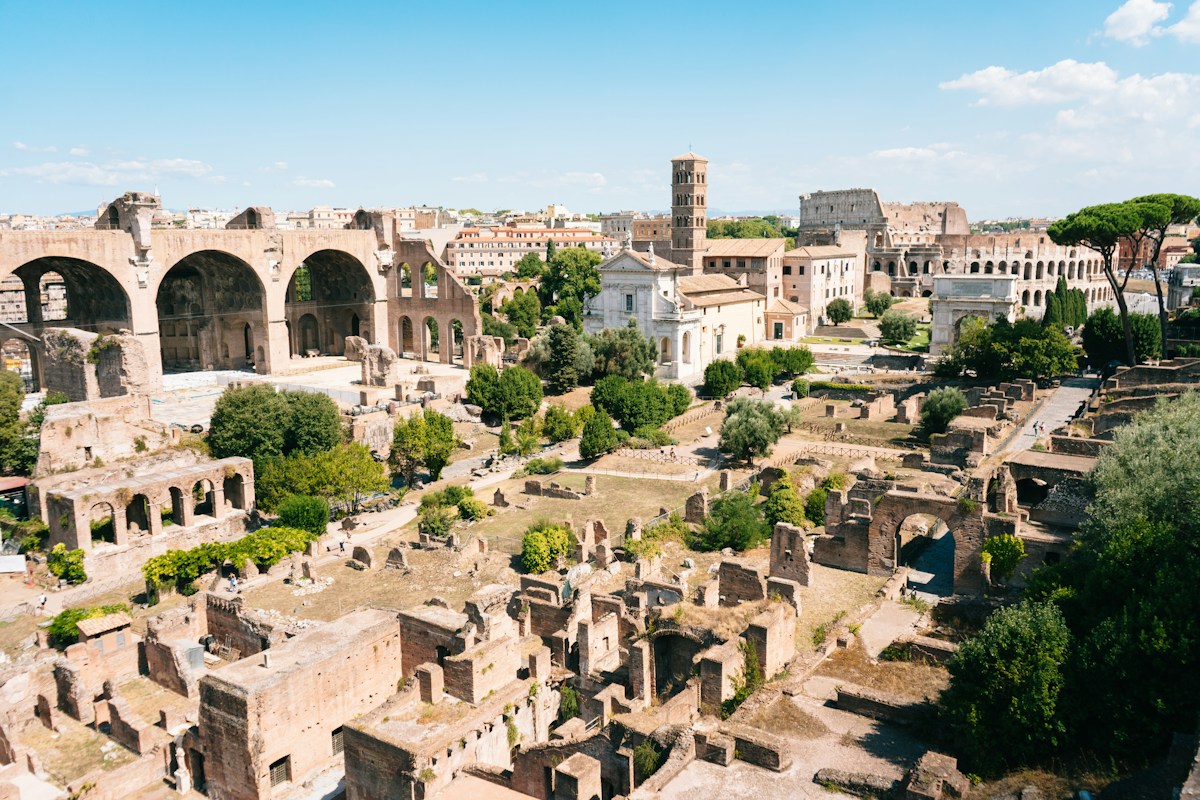
How many days in Rome do you need?
Plan for four days to see Rome properly, with three as the workable minimum and five or more for a relaxed visit that includes a day outside the city. What changes the answer is not the size of Rome but the number of full sightseeing days you actually have once travel days are removed from the count.
Arrival and departure days rarely count for much. A flight that lands in the afternoon, followed by a morning departure, leaves you with little more than a walk and a meal, so subtract both before you decide. A long-haul flight costs you the first morning as well, which is why the honest measure is full days on the ground rather than nights booked.
Match the number of days to what you want to see:
- Two days — the Colosseum, the Roman Forum and the historic center on foot; expect to skip the Vatican interiors.
- Three days — the practical minimum for a first visit, with one day for ancient Rome, one for the Vatican and one for the center.
- Four days — adds the Borghese Gallery, Trastevere and slower evenings instead of a checklist.
- Five days — opens a full day trip to Ostia Antica, Tivoli or Orvieto without cutting anything else.
- Six to seven days — a relaxed pace, two day trips, and room to return to a site you liked.
If you are still choosing where to go, our Rome city guide is a reasonable first read. If Rome is already fixed, the rest of this guide breaks down what each length of stay actually buys you, from the two-day sprint to a full week, so you can set your dates with confidence.
A 3-day Rome itinerary that covers the essentials
Building a Rome itinerary 3 days long works when you group each day by area instead of crossing the city twice. One day for ancient Rome, one for the Vatican and one for the historic center gives you the headline sights with time to eat properly in between.
Build the days like this:
- Day 1, ancient Rome. Start at the Colosseum with a timed entry booked ahead, then continue through the Roman Forum and up the Palatine Hill on the same ticket. Spend the late afternoon in Monti, the neighborhood just behind the ruins.
- Day 2, the Vatican. Book the Vatican Museums for the earliest slot you can, walk through to the Sistine Chapel, then visit St Peter's Basilica next door. Drift back toward the river through Prati and finish at Castel Sant'Angelo.
- Day 3, the historic center. Loop from the Pantheon to Piazza Navona, the Trevi Fountain and the Spanish Steps, then cross toward the Borghese gardens or finish with an evening in Campo de' Fiori.
Two habits hold this together. First, reserve the Colosseum and the Vatican Museums for fixed times, because both use timed entry and the convenient slots disappear first. Second, keep each day inside one part of the city, since crossing Rome at rush hour costs an hour you would rather spend at a site. The metro helps here: one line serves the Colosseum and another runs toward the Vatican.
Rome guided tours remove the queue management if you would rather not handle tickets yourself, and an early start on any of the three days buys back more time than any faster transport will.
What 3 days in Rome leaves out
Knowing what you are cutting makes the three-day trade-off easier to accept. A three-day trip is a highlights tour rather than a complete one, and most of what it drops is depth rather than a specific famous sight.
Expect to skip or rush:
- The Borghese Gallery — a small, timed-entry collection that needs a booked slot and at least half a day, so it rarely fits.
- The Appian Way — the old road, the catacombs and the aqueduct park need half a day and a bus or bike ride out of the center.
- Real day trips — Ostia Antica, Tivoli and Orvieto each cost a full day, so none of them fit comfortably.
- Neighborhood time — Trastevere and Testaccio reward a slow evening rather than a quick pass-through.
Three days suits a short break, a stop on a longer Italy trip, or a first look before a return visit. It does not suit travelers who want museums at a calm pace, or anyone who dislikes early starts, because the schedule runs tight from morning until night with little slack.
If your flight days are effectively half days, read this honestly as two days of sightseeing and plan around the Colosseum and the Vatican rather than adding a third area. A fourth day is the simplest fix, and it usually costs less than extending the trip later once you realize what you missed. If you are weighing that Florence side trip against another city, the honest trade-off is the train hours against what you would actually see there.
What 4 days in Rome adds
A fourth day turns a sprint into a trip, because it buys one unhurried block that the first three days never have. Spend it on whatever you most regretted leaving out, and the whole visit feels calmer. Sequence it around one anchor rather than three, and the rest of the day can stay open.
Good uses of the extra day:
- The Borghese Gallery — book the timed slot first and give it a two-to-three-hour block, since it sits inside the Villa Borghese gardens and pairs with a morning at the Spanish Steps.
- The Appian Way — the old road, the catacombs and the aqueduct park form one outing, so treat the bus or bike ride out of the center as the start of the day rather than time lost.
- A Trastevere food tour — an evening of tastings south of the Tiber; schedule it at the end of a center day so you cross the river once, and reserve ahead in the warm months.
- Testaccio and the Aventine — a market, a hill and the quietest corners of the center, best walked on the same afternoon you leave Trastevere, while you are already clear of the main crowds.
Four days is also the point where the pace stops being punishing. You can sleep in once, sit through a long lunch, and still see everything on your list without sprinting between stops.
For most first-time visitors this is the length that balances cost, effort and coverage, and it leaves a little room for the unplanned afternoon that often becomes the best part of a trip. It is also the shortest stay that lets you eat dinner at a normal Roman hour without collapsing the next morning. The Italy destination guide shows how a Rome stop fits into a longer route through the country.
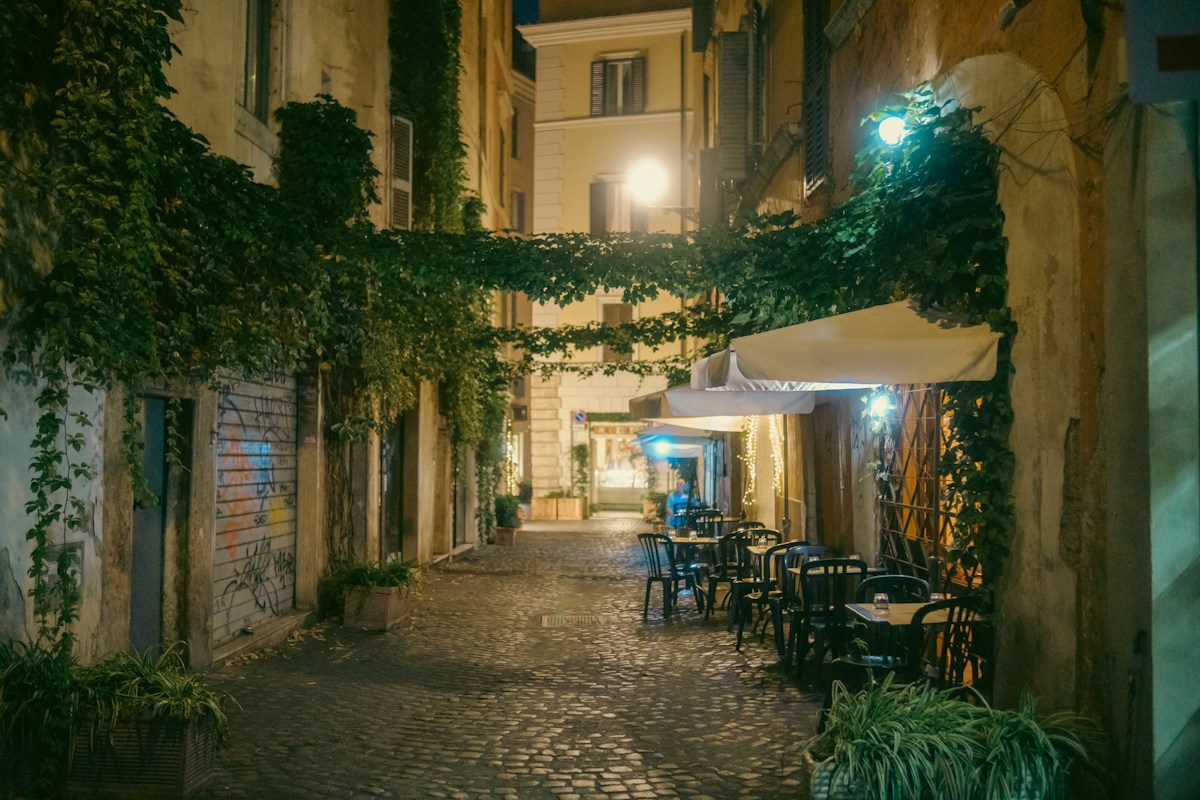
5 days in Rome and the day trips it unlocks
Five days give you a full day outside the city without sacrificing the essentials inside it. The only real question is which day trip earns the slot, because these trips are not interchangeable and each one asks for a different kind of day.
Day trips worth the day:
- Ostia Antica — the preserved Roman port town, reachable by train and far quieter than Pompeii; a strong choice for anyone who liked the Forum.
- Tivoli — hill gardens and a grand villa outside the city, manageable on public transport and a good escape from the summer heat.
- Orvieto — a hill town with a striped cathedral, a slow lunch and a very different pace from Rome.
- Pompeii — possible as a long day by high-speed train, but it uses the entire day and suits a dedicated history trip rather than a casual outing.
Pair the trip with the city day closest to it, and keep the following day light near the center. Organized day trips from Rome handle the transport and the entry if you would rather not plan the connections yourself
With only three days in the city, skip the day trip entirely and give the time to Rome. The trips above only make sense once the city's own sights are covered.
Rome trip length by traveler type
The right length of your Rome trip depends on who is traveling and how much of the city happens indoors. Use this as a starting filter, then adjust it for flight times and the season you have chosen.
- First-timers — four days; three feels rushed and five begins to repeat.
- Art and history lovers — five to six days, with a Florence day trip for the Uffizi.
- Families with children — four days at a slower pace, with fewer museums and more squares and parks.
- Repeat visitors — five to seven days given to neighborhoods, food and day trips rather than headline sights.
- Budget travelers — three to four days; the city's free squares and churches carry a large part of the trip.
- Mid-range and premium travelers — the same number of days buys more comfort and a better location, not more sights.
Notice that these bands change what you do more than how long you stay. A family and an art lover might both take four days and spend them in completely different ways, which is why a single number only helps once you know whose trip you are planning.
If two people in the same group want different things, split the mornings and meet for lunch. Rome is compact enough that a museum morning and a market morning can end at the same table. Plan the mornings that way and the trip covers more ground without anyone feeling rushed through a museum they never wanted to see.
How long to stay in Rome for art and museums
If museums are the reason you are coming, add a day and plan around booking windows rather than geography. The major collections reward a slow pace, and the busiest ones cap how many people enter each hour.
Time to allow, roughly:
- Vatican Museums and the Sistine Chapel — at least half a day, often longer with the Basilica next door; take the first slot you can get.
- Borghese Gallery — two to three hours, timed entry only, and it sells out, so reserve before you fly.
- Capitoline Museums — a half day on the Capitoline Hill, close to the Forum and easy to pair with it.
- The Uffizi, Florence — a day trip by high-speed train; see our Florence city guide for how to fit it in.
Opening days, closing days and booking windows change through the year, so confirm them on the official Italian national tourism site before you build a day around one collection.
Both are reachable by high-speed train, so the decision comes down to which one fits the rest of your route rather than to how you get there.
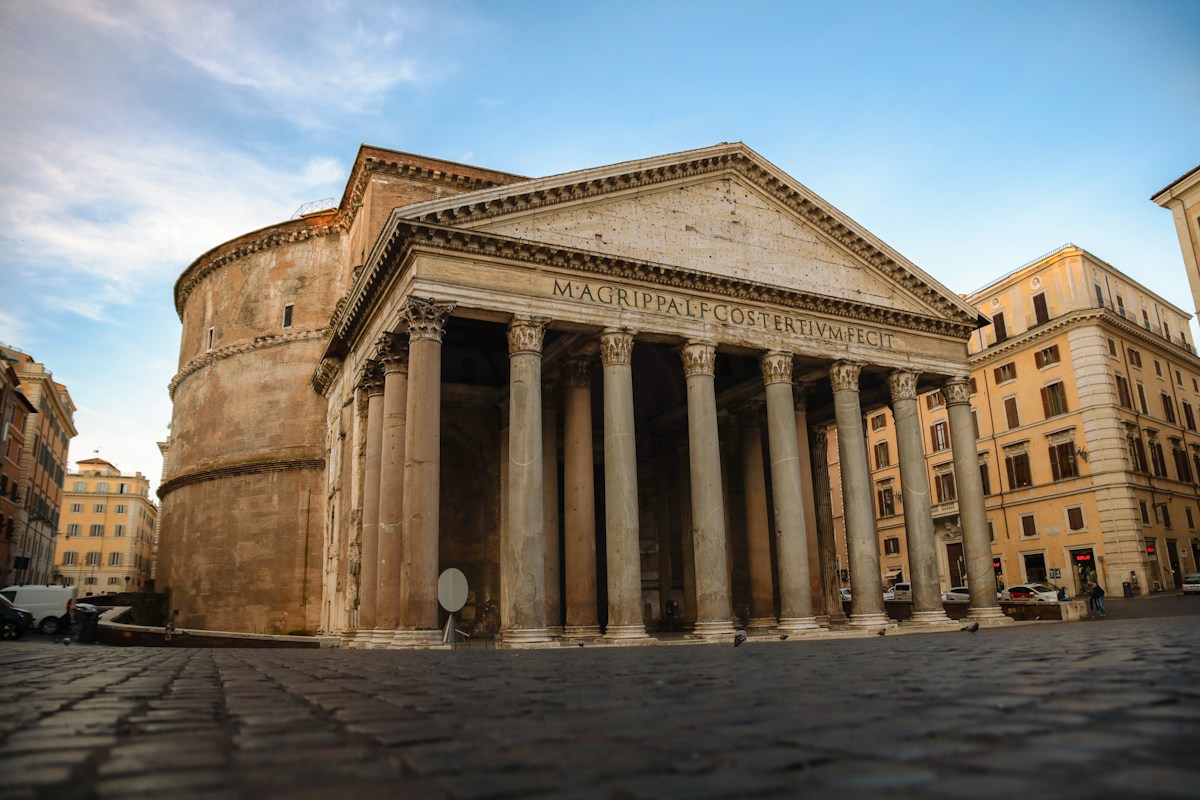
When to go: Rome month by month
Rome's season changes crowds, heat and cost far more than it changes what stays open, so the month can pick your trip length as well as your dates. Spring and early autumn stretch a short trip further, because you can walk comfortably for most of the day.
- January — coldest and quietest; shorter queues, but shorter opening hours at some sites.
- February — still calm; good value for a museum-led trip.
- March — warming with showers; crowds build toward Easter.
- April — peak spring and public holidays; book everything early.
- May — long, warm days and one of the best months, which also means busy streets.
- June — hot by afternoon; plan indoor breaks in the middle of the day.
- July — hottest and busiest; start early and rest at midday.
- August — hot and humid; some local businesses close for the holidays, though the sights stay open.
- September — warm and easing after the first week; a strong month overall.
- October — mild with good light; the classic shoulder-season choice.
- November — rain risk, but low crowds and lower prices.
- December — cold and festive; the center fills up for Christmas.
Treat peak, shoulder and low season as bands rather than fixed dates. They shift with the school calendar and with major religious holidays, so check the exact dates for your own year before booking flights and timed entries.
Where to stay and how it shapes your days
Your base decides which sights you reach first and how much of each day goes to transit. Rome is compact in the center and slow to cross at peak hours, so choose the base after you choose the length of your stay.
- Centro Storico — the Pantheon, Piazza Navona and the Trevi Fountain all on foot; premium to mid-range, and the liveliest at night.
- Monti — beside the Colosseum, with good evening dining and quick access to ancient Rome.
- Prati — the Vatican side of the river; calmer, and an easy walk to the Museums.
- Trastevere — across the Tiber, known for its evening food streets and a natural base for a food-led trip.
- Testaccio and the Aventine — quieter and more local, best if you are happy to use buses and trams.
Two rules keep a base working. Group each day's sights by area so you walk instead of criss-crossing the city, and use the metro and buses for the long hops between the Vatican, the Colosseum and the center, where the lines are short but cover exactly those distances.
Standards and prices differ sharply between these areas and between budget, mid-range and premium hotels, so read recent reviews before you commit, and check whether the address sits inside the historic center or just outside it.
Wherever you stay, check the walk to the nearest metro or tram stop and whether the street sits in a nightlife area. The historic center is small, but a poorly chosen base can still add an hour of walking to every day of the trip.
How trip length changes your budget
Staying longer spreads the flight cost over more days but adds nights and meals, so the cheapest trip per day is rarely the shortest one. Think in bands rather than totals, because exact prices move with the season and with the month you book.
How the bands usually behave:
- Budget — a shorter stay of three to four days, outer neighborhoods, public transport and one paid sight a day; the cheapest way to see the essentials.
- Mid-range — four to five days near the center, a mix of booked museums and free squares, and the occasional guided tour; the most common choice.
- Premium — five to seven days with a central hotel, private transfers and pre-booked experiences; you pay for time and convenience as much as for sights.
The season moves every band more than the itinerary does. Peak spring and summer cost the most, shoulder months sit in the middle, and the quiet winter weeks are the best value for a short break.
Whatever the band, book the fixed things early: timed museum entries, high-speed trains and the first and last nights of your stay. The flexible parts, like lunches and day trips, can wait until you are there and can see how much energy you actually have.
Frequently asked questions
Is 3 days enough for Rome?
Three days is enough for a first overview of Rome, but not for a relaxed visit.
What is the best month to visit Rome?
April, May, September and October give the best balance of mild weather and manageable crowds.
Do you need to book the Colosseum and the Vatican in advance?
Yes. Both use timed entry and the most convenient slots sell out well ahead, especially in peak season. Book through the official ticket sites and recheck the booking window closer to your dates, since reservation rules and opening days change through the year.
How many days in Rome with kids?
Plan four days with children and keep each one lighter than an adult itinerary. Fewer museums, more squares and parks, and a rest in the middle of the day work far better than a full checklist. Three days is possible but rushed for young children.
Is Rome walkable, or do you need transport?
The historic center is very walkable, and most of the headline sights sit within a comfortable half-hour walk of each other. Use the metro, buses and trams for the longer hops between the Vatican, the Colosseum and the outer neighborhoods. Comfortable shoes matter more than any travel pass.
Should you combine Rome with Florence?
Yes, easily. High-speed trains make Florence a simple day trip or a natural second stop, so three days in Rome plus three in Florence is a common split. If you are choosing between the two cities instead, compare what each one offers before you commit.