 Lilshira


Explore Almaty, Kazakhstan
Discover the vibrant city nestled at the foot of the Trans‑Ili Alatau mountains.
24°C / 75°F
Sunny in Almaty
Peak Season
High visitor demand
Almaty at a glance
Almaty, Kazakhstan’s largest city, is home to roughly two million residents and lies near the foothills of the Trans‑Ili Alatau range. The city experiences a continental climate with cold winters and warm, relatively dry summers, offering a blend of urban culture and mountain scenery that distinguishes it from other Central Asian destinations.

Things to Do in Almaty
Curated experiences led by local experts.
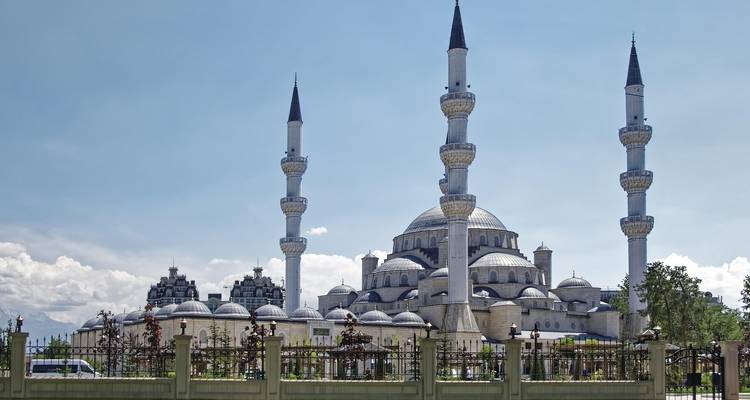
5 Stans Adventure – Turkmenistan Uzbekistan Tajikistan Kyrgyzstan Kazakhstan
14 Days • Experience
From EUR6,244
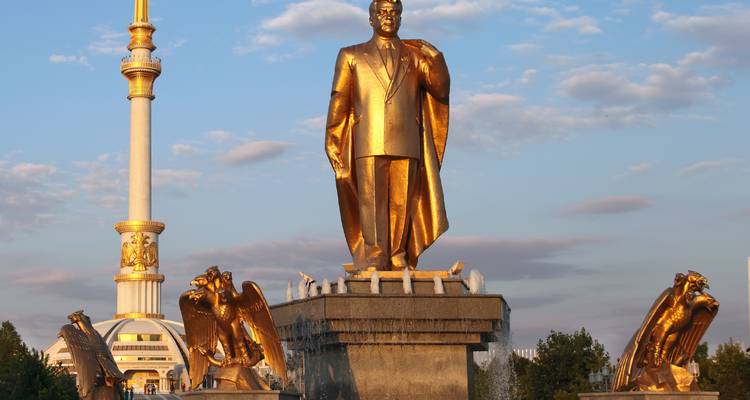
The Ultimate 5 Stans Tour: Kazakhstan, Kyrgyzstan, Tajikistan, Uzbekistan, and Turkmenistan - Discover Central Asia in 16 Days
16 Days • Experience
From EUR3,290
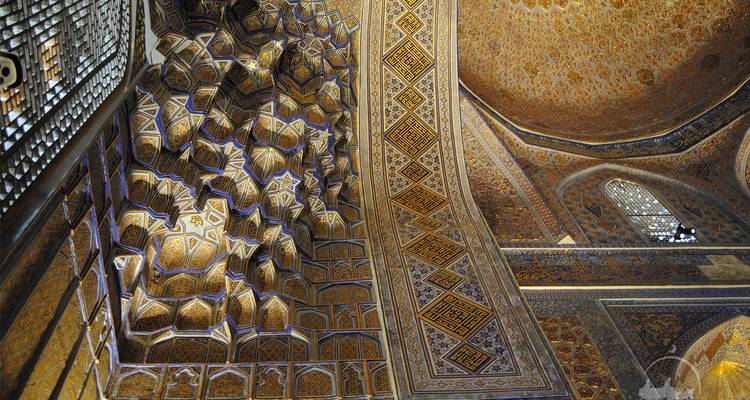
Four Stans Odyssey: Through the Heart of Central Asia, 18 days
18 Days • Experience
From EUR3,135

Tour along 5-stans countries - Silk Road of Central Asia
14 Days • Experience
From EUR4,197
Map View
Explore Almaty on the map
Almaty
The map is centred on Almaty.
Why travel to Almaty?
Almaty suits travelers seeking a mix of outdoor adventure and cultural immersion. The surrounding mountains provide opportunities for hiking, skiing, and scenic drives, while the city’s museums, theatres, and markets showcase Kazakh heritage and modern life, making it ideal for both active and city‑focused itineraries.
Almaty travel blogs
Stories and guides connected to Almaty and the surrounding destination.
Is Kazakhstan Safe for Travellers? Essential Safety Overview
Yes, Kazakhstan is considered safe for most travellers. Crime rates in cities such as Almaty and Nur‑Sultan are low, and...
What is a good itinerary for Kazakhstan? A 10‑day travel guide
A solid 10‑day loop from Almaty north to the Altai, east to the Golden Ring, and south to the Caspian coast gives a bala...
What is the best time to visit Kazakhstan? Seasonal guide for travelers
The optimal time to visit Kazakhstan is from late May through early October. During this window temperatures are mild, d...
What should you know before visiting Kazakhstan? A complete country guide
Before you set foot in Kazakhstan, check visa requirements, plan for extreme seasonal weather, and budget for modest cos...
What are the hidden gems of Kazakhstan? A Traveler’s Guide
Kazakhstan’s hidden gems include the turquoise lakes of the Altai, the ancient petroglyphs of Tamgaly, the desert oasis...
How many days are enough to visit Kazakhstan? Find the ideal itinerary
A realistic itinerary for Kazakhstan spans 10 to 14 days, giving you enough time to explore the major cities, the Altai...
More in Kazakhstan
Browse more city pages across Kazakhstan.