 Lilshira


Antwerp, Belgium
A vibrant port city known for its diamond trade, fashion heritage, and rich history.
24°C / 75°F
Sunny in Antwerp
Peak Season
High visitor demand
Antwerp at a glance
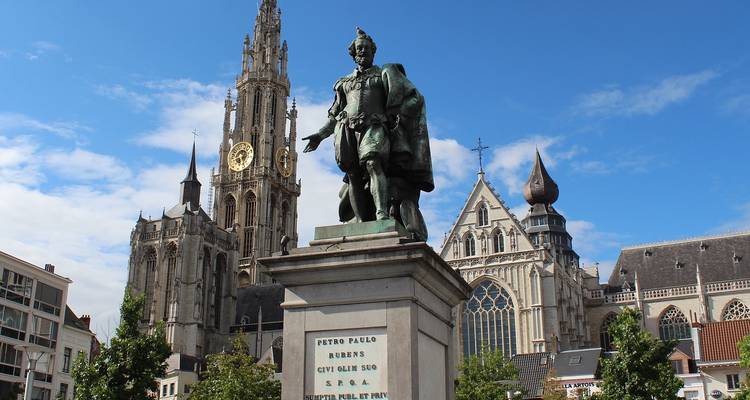
Antwerp, Belgium’s second‑largest city, sits on the Scheldt River and serves as a major European port. Its historic centre features Gothic architecture, world‑renowned art, and the famous diamond district, while the city’s fashion scene and culinary traditions add contemporary flair. These combined elements make Antwerp a distinctive destination for culture, shopping, and gastronomy.

Things to Do in Antwerp
Curated experiences led by local experts.

Tulip Time Highlights
8 Days • Experience

6 Day Belgium including Brussels, Luxemburg, and Amsterdam
6 Days • Experience
From EUR896
7 Day Brussels including Antwerp, Battle of the Bulge, Flanders Fields, Ghent, Bruges, Luxemburg & Dinant
7 Days • Experience
From EUR868
Map View
Explore Antwerp on the map
Antwerp
The map is centred on Antwerp.
Why travel to Antwerp?
Antwerp suits a range of trips: cultural explorers can tour museums and historic sites; fashion lovers enjoy boutique districts and design studios; food enthusiasts sample Belgian specialties and market fare; and business travelers benefit from the city’s logistics hub and conference facilities. The mix of heritage and modern amenities creates a versatile base for short city breaks or longer stays.
Antwerp travel blogs
Stories and guides connected to Antwerp and the surrounding destination.
What is a good itinerary for Belgium? A 7‑Day Travel Plan from Brussels to Bruges, Ghent and Antwerp
A well‑balanced 7‑day itinerary covers Brussels, Bruges, Ghent and Antwerp, mixing historic sites, culinary delights and...
How Many Days Are Enough to Visit Belgium? Planning Your Trip
Four to five days are enough to visit Belgium for most first‑time travelers. In that time you can explore Brussels, Brug...
What Should You Know Before Visiting Belgium? A Complete Country Guide
Belgium is a small, multilingual nation where a 3‑5 day itinerary lets you sample historic cities, renowned art, and fam...
What are the hidden gems of Belgium? Explore off‑beat treasures
Belgium’s hidden gems include the medieval town of Durbuy, the tranquil Hallerbos forest carpeted with bluebells, the li...
Is Belgium Safe for Travellers? A Practical Safety Overview
Yes, Belgium is considered safe for travellers, with low violent‑crime rates and well‑maintained public services. Most v...
What is the best time to visit Belgium? A complete seasonal guide
The best time to visit Belgium is late spring (May – June) or early autumn (September – October). During these months th...
More in Belgium
Browse more city pages across Belgium.