 Lilshira


Explore Bekasi, Indonesia
Bekasi offers vibrant markets, modern malls, and easy access to Jakarta’s attractions.
24°C / 75°F
Sunny in Bekasi
Peak Season
High visitor demand
Bekasi at a glance
Bekasi, a fast‑growing city in West Java, sits just east of Jakarta and blends industrial development with local culture. With an estimated population of around 2.5 million, it experiences a tropical monsoon climate—hot and humid year‑round, with a rainy season from November to April and a drier, more comfortable period from June to September. These factors give the city a dynamic urban feel while remaining close to Indonesia’s capital.

Things to Do in Bekasi
Curated experiences led by local experts.
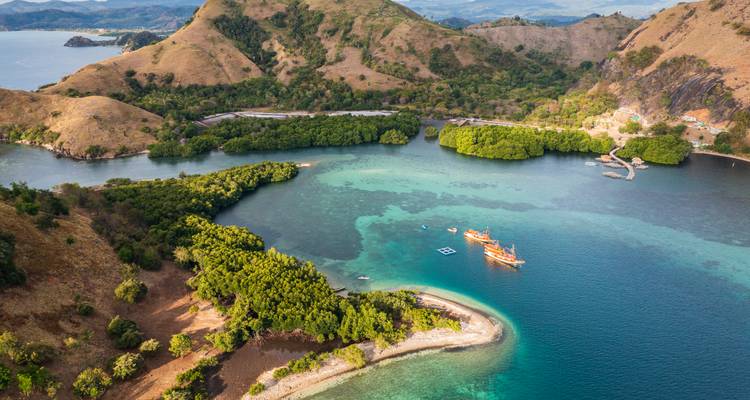
10‑Day Sumatra Adventure: Mountains, Culture & Night Markets
10 Days • Experience
From EUR1,016

5‑Day Komodo Kayak Adventure from Labuan Bajo
5 Days • Experience
From EUR1,507

Great Creatures: Orangutans & Komodo Dragons – 13‑Day Indonesian Explorer
13 Days • Experience
From USD4,200
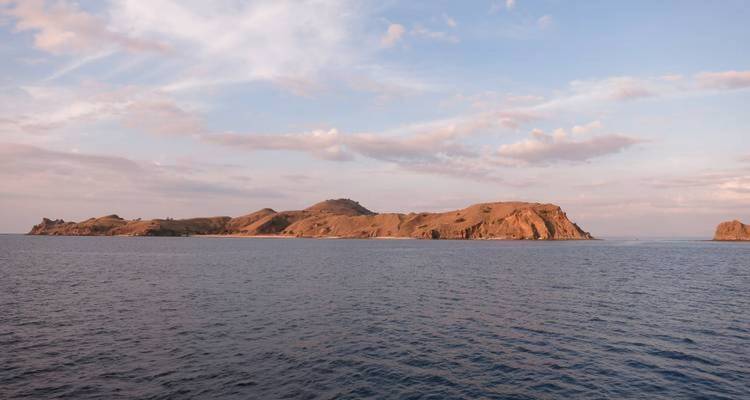
6-Day Komodo Kayak Insight from Bali
6 Days • Experience
From USD1,304
Map View
Explore Bekasi on the map
Bekasi
The map is centred on Bekasi.
Why travel to Bekasi?
Bekasi is ideal for day‑trippers from Jakarta, business travelers attending the many industrial zones, and families looking for a mix of modern shopping, traditional markets, and green spaces. Its proximity to major highways and commuter rail makes it a convenient base for exploring both the city’s own attractions and the broader Greater Jakarta area.
Bekasi travel blogs
Stories and guides connected to Bekasi and the surrounding destination.
What Should You Know Before Visiting Indonesia – A Complete Guide
Before you travel to Indonesia, know that a tourist visa is required for most nationalities, the dry season (May‑October...
What are the hidden gems of Indonesia? Uncover Secret Destinations
Indonesia’s hidden gems are its lesser‑known islands, jungle villages, volcanic lakes, and coastal cliffs that most tour...
Is Indonesia Safe for Travellers? What You Need to Know
Yes, Indonesia is safe for travellers who follow basic precautions. Most visits run smoothly, with petty crime limited t...
What is a good itinerary for Indonesia? A balanced 10‑14‑day plan
A good itinerary for Indonesia balances culture, nature and beach time across 10‑14 days, starting in Bali, then Yogyaka...
What is the Best Time to Visit Indonesia? A Complete Guide
The best time to visit Indonesia is during the dry season, roughly May through September. This five‑month window offers...
How many days are enough to visit Indonesia? Find the ideal length
A minimum of 10 days is generally enough for a balanced Indonesian experience. Seven days can work if you limit yourself...
More in Indonesia
Browse more city pages across Indonesia.
