 Lilshira


Discover Bulawayo, Zimbabwe
Zimbabwe’s historic western hub offers colonial architecture, cultural museums and nearby wildlife.
24°C / 75°F
Sunny in Bulawayo
Peak Season
High visitor demand
Bulawayo at a glance
Bulawayo, the second‑largest city in Zimbabwe, is known for its distinctive colonial‑era buildings, vibrant arts scene and proximity to natural reserves. With a population of roughly 650,000, the city serves as a cultural gateway to the country’s western region, blending historic sites with modern urban life.

Things to Do in Bulawayo
Curated experiences led by local experts.
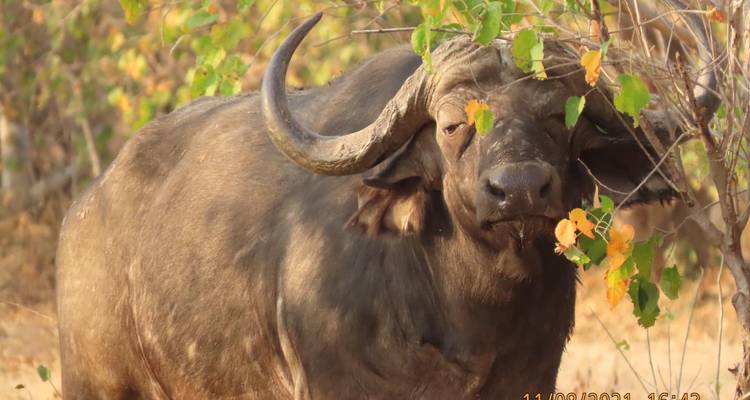
Victoria Falls & Hwange, 6 Days Safari Experience
5 Days • Experience
From EUR2,248
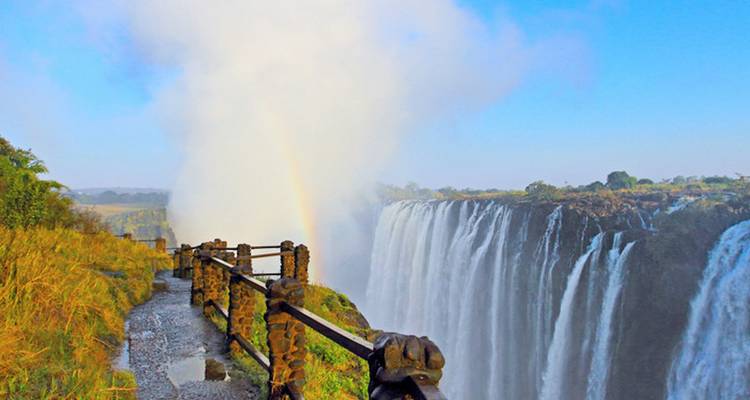
Victoria Falls and Chobe National Park
5 Days • Experience
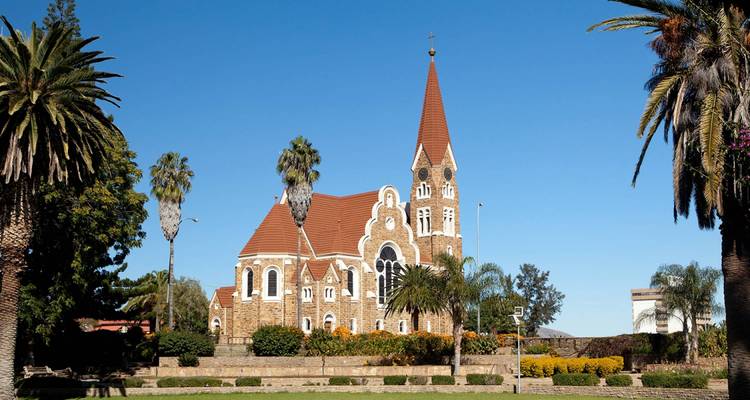
Chobe, Okavango & Etosha - 14 days
10 Days • Experience
From EUR2,980
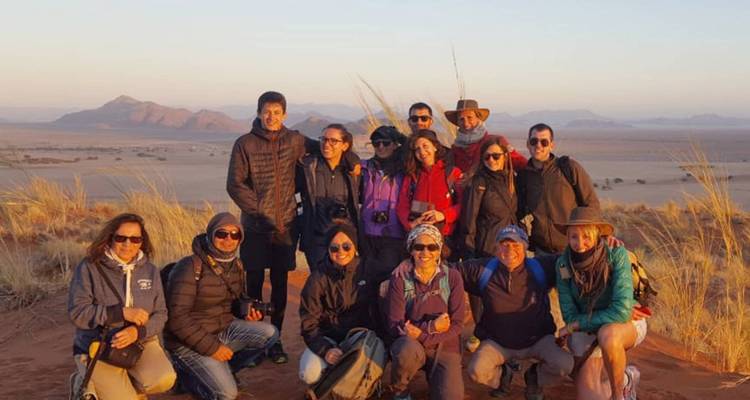
Southern Africa Falls to Cape - 20 days
14 Days • Experience
From EUR3,415
Map View
Explore Bulawayo on the map
Bulawayo
The map is centred on Bulawayo.
Why travel to Bulawayo?
The city appeals to travelers interested in history, culture and wildlife. Its museums, such as the Natural History Museum, and nearby attractions like Matobo National Park make it ideal for cultural tours and day‑trips into the bush, while its markets provide a taste of local commerce.
Bulawayo travel blogs
Stories and guides connected to Bulawayo and the surrounding destination.
What Should You Know Before Visiting Zimbabwe – Complete Country Guide
Before you set foot in Zimbabwe, you need a valid passport, a visa (or visa‑on‑arrival for many nationals), up‑to‑date v...
What are the hidden gems of Zimbabwe? A guide to off‑the‑radar wonders
Zimbabwe’s hidden gems are the rugged Matobo Hills, the serene Matusadona Lake, the ancient Great Zimbabwe ruins, and th...
Is Zimbabwe Safe for Travellers? What You Need to Know
Zimbabwe is safe for most travellers who stick to well‑trodden routes and observe standard precautions. The risk level s...
What is a good itinerary for Zimbabwe? A 10‑Day Travel Blueprint
A solid 10‑day itinerary balances wildlife, culture, and scenery, giving you time for Victoria Falls, Hwange National Pa...
What is the best time to visit Zimbabwe?
The best time to visit Zimbabwe is from late May to early October. This five‑month window offers dry conditions, clear s...
How many days are enough to visit Zimbabwe?
Ten to twelve days give a balanced experience for most travelers. This range lets you see the iconic waterfalls, explore...
More in Zimbabwe
Browse more city pages across Zimbabwe.