 Lilshira


Discover Chiquimula, Guatemala
A historic gateway to eastern Guatemala’s culture, nature and coffee traditions.
24°C / 75°F
Sunny in Chiquimula
Peak Season
High visitor demand
Chiquimula at a glance
Chiquimula, a city of roughly 100,000 residents in eastern Guatemala, blends colonial architecture with vibrant local culture. Set near the Honduran border, it enjoys a warm tropical climate with a distinct dry season, making its historic plaza, central church and surrounding coffee farms stand out as cultural highlights for visitors.

Things to Do in Chiquimula
Curated experiences led by local experts.
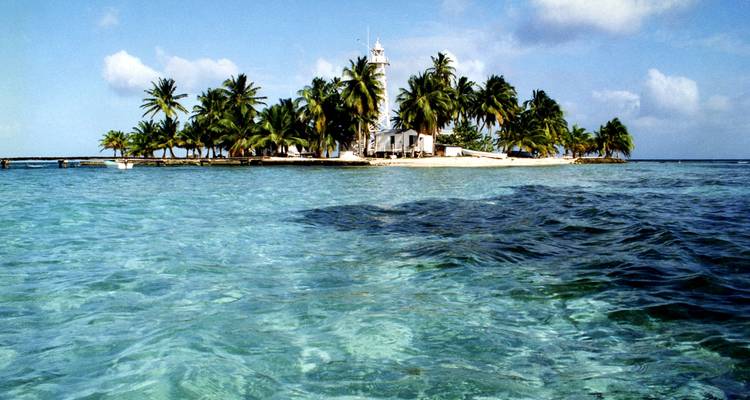
10‑Day Belize City → Antigua Cultural Adventure – $950
10 Days • Experience
From USD950

12‑Day Antigua to Cancun Explorer – Active Family Journey
12 Days • Experience
From EUR595
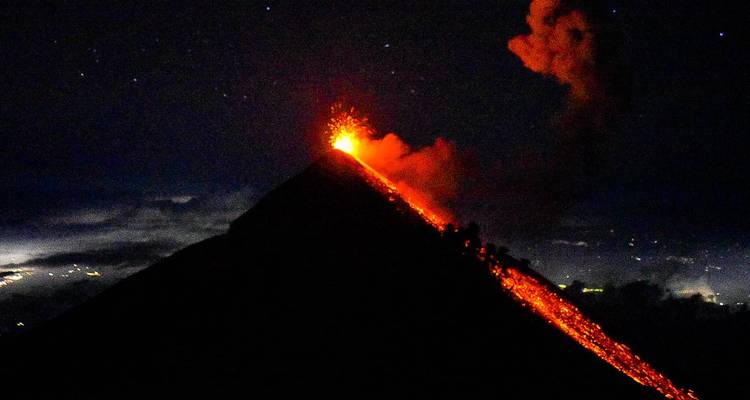
2‑Day Acatenango Volcano Hike from Antigua – Guided Adventure
2 Days • Experience
From USD75

Central America Experience – 14‑Day Adventure from Antigua to San Jose
14 Days • Experience
From USD1,900
Map View
Explore Chiquimula on the map
Chiquimula
The map is centred on Chiquimula.
Why travel to Chiquimula?
The city is ideal for travelers seeking cultural immersion, nature excursions, and coffee‑farm experiences. Its historic sites, nearby waterfalls and mountain trails suit heritage tours, outdoor adventures, and family trips alike, while local markets and eateries offer authentic Guatemalan flavors for food‑focused journeys.
Chiquimula travel blogs
Stories and guides connected to Chiquimula and the surrounding destination.
What should you know before visiting Guatemala? A quick travel guide
You should know that Guatemala blends dramatic highland scenery, Maya heritage sites and vibrant markets, and that basic...
What are the hidden gems of Guatemala? Explore secret spots
Guatemala’s hidden gems include the quieter lakeside villages around Atitlán, the jungle ruins of Quiriguá, the mist‑cov...
Is Guatemala Safe for Travellers? Essential Safety Overview
Yes, Guatemala is safe for most travellers who stick to well‑touristed towns, avoid night travel in remote zones, and re...
What is a good itinerary for Guatemala? A 10‑Day Travel Plan
A solid 10‑day itinerary lets you sample Guatemala’s colonial charm, highland culture, and rainforest wonders. Spend thr...
What is the Best Time to Visit Guatemala? Complete Seasonal Overview
The best time to visit Guatemala is from late November to early April, during the dry season. Those months offer sunny d...
How many days are enough to visit Guatemala? A practical guide
A ten‑day itinerary hits the highlights without feeling rushed. Most travelers find that 8‑12 days allow visits to Antig...
More in Guatemala
Browse more city pages across Guatemala.