 Lilshira


Cluj‑Napoca, Romania
A lively university city known for historic squares, festivals, and nearby nature.
24°C / 75°F
Sunny in Cluj-Napoca
Peak Season
High visitor demand
Cluj-Napoca at a glance
Cluj‑Napoca, Romania’s second‑largest city with roughly 320,000 residents, offers a continental climate of warm summers and cold winters. Its historic centre, cultural institutions and active student population give the city a distinct energy that sets it apart from other Romanian destinations.

Things to Do in Cluj-Napoca
Curated experiences led by local experts.

Explore Transylvania’s Legends on an 8‑Day Private Tour
8 Days • Experience
From EUR2,368

Transylvania Halloween 2026: 8‑Day Tour with Dracula Castle Party
8 Days • Experience
From USD1,667
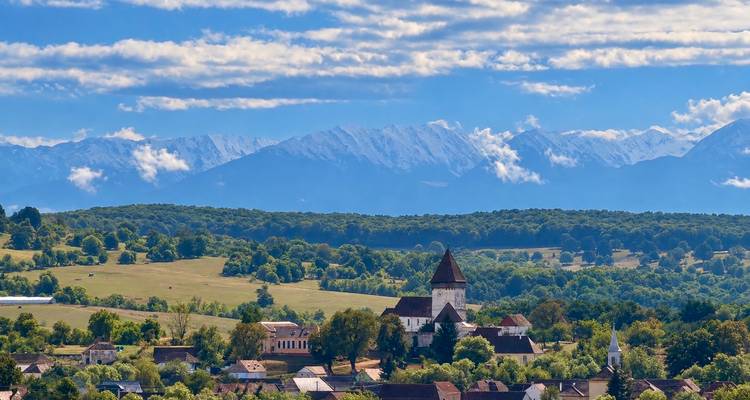
Authentic Transylvania: 7-Day Small-Group Journey
7 Days • Experience
From EUR1,279

Private Romania UNESCO 7-Day Tour
7 Days • Experience
From EUR2,495
Map View
Explore Cluj-Napoca on the map
Cluj-Napoca
The map is centred on Cluj-Napoca.
Why travel to Cluj-Napoca?
The city is ideal for cultural explorers, festival‑goers and outdoor enthusiasts. Visitors can enjoy museums, music events and film festivals in summer, while the surrounding hills and forests provide hiking and nature experiences year‑round. Business travelers also benefit from the city’s modern infrastructure and international airport.
Cluj-Napoca travel blogs
Stories and guides connected to Cluj-Napoca and the surrounding destination.
What Should You Know Before Visiting Romania? A Complete Country Guide
Before you set foot in Romania, know that the country blends medieval castles, vibrant cities, and rugged mountains, all...
What are the hidden gems of Romania? A traveler’s guide to secret spots
Romania’s hidden gems are its remote fortified churches, mist‑shrouded mountain villages, untouched biosphere reserves,...
Is Romania safe for travellers? Essential safety guide
Yes, Romania is generally safe for travellers. Most visitors encounter low levels of violent crime, and petty theft is c...
What is a Good Itinerary for Romania? A Complete 10‑Day Guide
A good itinerary for Romania combines the medieval charm of Transylvania, the painted monasteries of Bukovina, and the n...
What is the best time to visit Romania? A complete seasonal guide
The best time to visit Romania is from late May to early October, when weather is mild and attractions are fully accessi...
How many days are enough to visit Romania?
Ten to twelve days is the sweet spot for a first‑time visit to Romania. This timeframe lets you explore Bucharest, the m...
More in Romania
Browse more city pages across Romania.