 Lilshira


Explore Dar es Salaam
Discover Tanzania’s bustling coastal capital, its vibrant markets, beaches, and cultural landmarks.
24°C / 75°F
Sunny in Dar es Salaam
Peak Season
High visitor demand
Dar es Salaam at a glance
Dar es Salaam, Tanzania’s largest city, is home to roughly four million residents. Situated on the Indian Ocean, it enjoys a tropical savanna climate with hot, humid conditions and two rainy seasons. The most comfortable period for visitors is the dry season, typically from June through October, when rainfall is minimal and temperatures are pleasant for outdoor activities.

Things to Do in Dar es Salaam
Curated experiences led by local experts.

7‑Day Marangu Route Trek of Kilimanjaro from Moshi
7 Days • Experience
From USD1,600
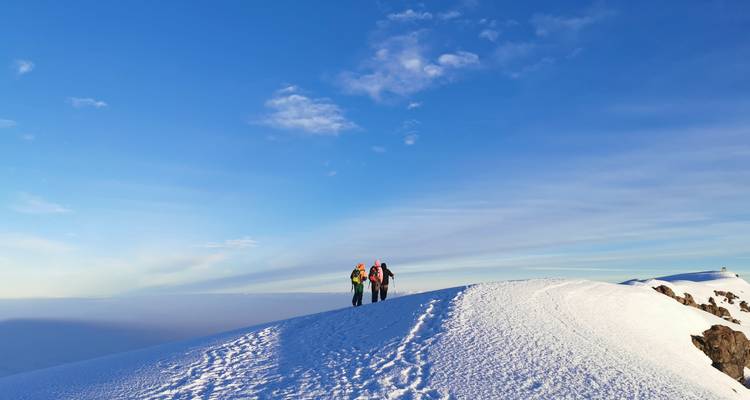
8‑Day Kilimanjaro Rongai Trek – Family‑Friendly Guided Adventure
8 Days • Experience
From EUR1,784
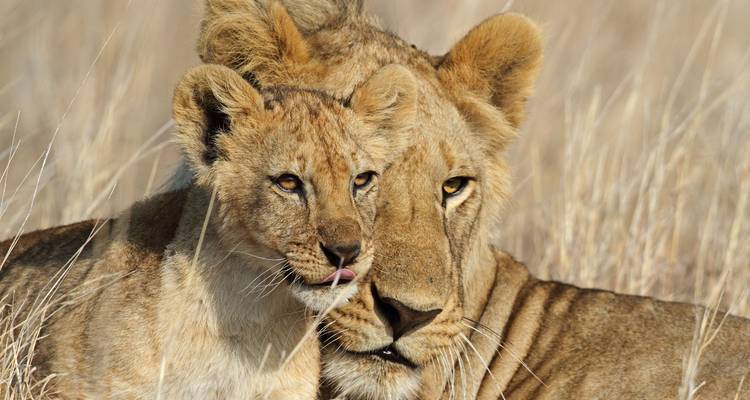
Tanzania Family Safari – 8‑Day Overland Adventure for All Ages
8 Days • Experience
From EUR1,850
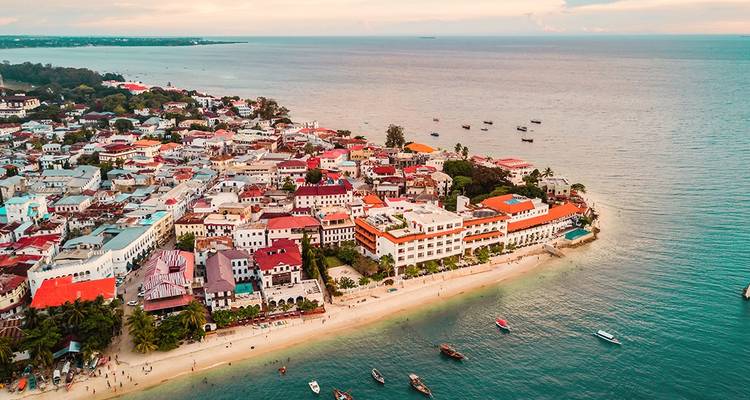
Zanzibar to Cape Town – 40‑Day Cultural & Safari Expedition
40 Days • Experience
From EUR3,808
Map View
Explore Dar es Salaam on the map
Dar es Salaam
The map is centred on Dar es Salaam.
Why travel to Dar es Salaam?
The city is ideal for travelers seeking a mix of urban culture and coastal relaxation. Its lively markets, historic museums, and nearby islands cater to cultural explorers, while beaches such as Coco Beach attract sun‑seekers. Business travelers also benefit from its status as Tanzania’s commercial hub, offering a range of services and connectivity.
Dar es Salaam travel blogs
Stories and guides connected to Dar es Salaam and the surrounding destination.
Is Tanzania Safe for Travellers? Essential Safety Overview
Tanzania is considered safe for most travellers who take standard precautions. Petty crime is limited to major towns, wi...
What Should You Know Before Visiting Tanzania? – Complete Country Guide
Before you set foot in Tanzania, know the visa rules, health precautions, seasonal weather, transport options, and basic...
What are the hidden gems of Tanzania? A Traveler’s Guide
Tanzania’s hidden gems include the remote Selous Game Reserve, the misty Udzungwa Mountains, the pristine Mafia Island b...
What is a good itinerary for Tanzania? A 10‑Day Adventure
A good itinerary for Tanzania spans ten days, combining a classic northern safari with a few relaxing days on Zanzibar’s...
What is the Best Time to Visit Tanzania? Seasonal Guide
June through October is the best time to visit Tanzania. The dry winter months bring clear skies, mild temperatures, and...
How many days are enough to visit Tanzania? Tips
A ten‑day itinerary hits the highlights for most first‑time visitors. Ten days let you explore Serengeti, Ngorongoro, an...
More in Tanzania
Browse more city pages across Tanzania.