 Lilshira


Explore Daşoguz, Turkmenistan
Discover Daşoguz’s historic sites, markets, and desert landscape.
24°C / 75°F
Sunny in Daşoguz
Peak Season
High visitor demand
Daşoguz at a glance
Daşoguz is a northern Turkmen city of roughly 250,000 people, situated near the Uzbekistan border. The climate is continental semi‑arid, featuring hot, dry summers and cold winters with limited rainfall. Its location on historic Silk Road routes and proximity to UNESCO‑listed sites give the city a distinct cultural and historical profile.

Things to Do in Daşoguz
Curated experiences led by local experts.

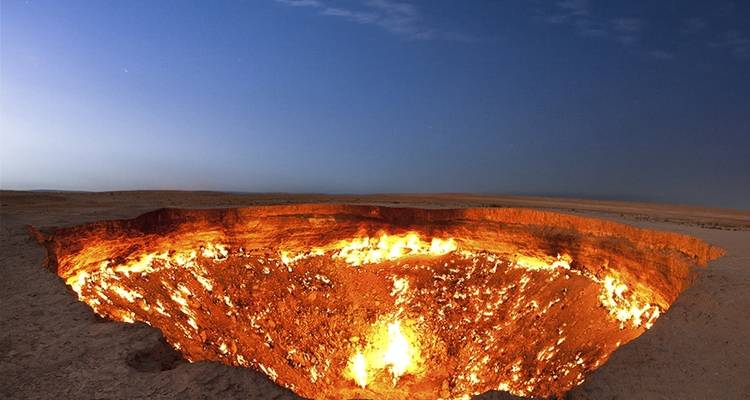
Ashgabat to Darvaza to Shavat/Khiva (Group Tour)
3 Days • Experience
From EUR517
Group Tour in Turkmenistan (part of the 5stan trip)
4 Days • Experience
From EUR517

5 Stans Discovery tour from Ashgabat to Almaty
23 Days • Experience
From EUR5,349
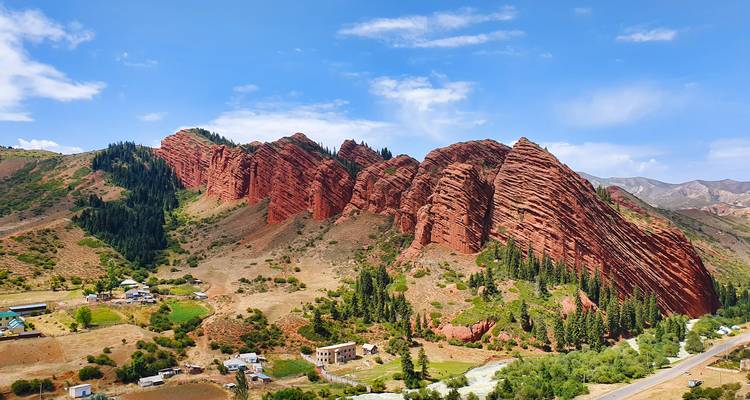
Trip to the Five Stans - Exploring the Wonders of Central Asia, 17 days
17 Days • Experience
From EUR3,823
Map View
Explore Daşoguz on the map
Daşoguz
The map is centred on Daşoguz.
Why travel to Daşoguz?
The city is well suited for travelers interested in cultural heritage, ancient trade‑route history, and regional markets. Visitors can explore nearby historic complexes, sample traditional Turkmen dishes, and experience the surrounding desert and riverine scenery, making Daşoguz a compelling destination for heritage‑focused and nature‑oriented trips.
Daşoguz travel blogs
Stories and guides connected to Daşoguz and the surrounding destination.
What Should You Know Before Visiting Turkmenistan – Complete Country Guide
Before you set foot in Turkmenistan, secure a visa, plan for limited internet, and pack for extreme seasonal temperature...
What are the hidden gems of Turkmenistan? Explore the unseen
Turkmenistan’s hidden gems are the remote desert ruins of Gonur Depe, the tranquil Koytendag limestone caves, the ancien...
What is a good itinerary for Turkmenistan? – A 10‑Day Guide
A solid 10‑day itinerary lets you experience Turkmenistan’s desert marvels, historic towns and modern capital without ru...
Is Turkmenistan Safe for Travellers? What You Need to Know
Turkmenistan is considered safe for most visitors, with low street crime and a strong police presence in major cities. T...
What is the best time to visit Turkmenistan? A practical guide
The best time to visit Turkmenistan is from late April through early June and again from late September to early October...
How many days are enough to visit Turkmenistan?
Eight to ten days is generally enough to experience Turkmenistan’s main attractions without rushing. This span allows tw...
More in Turkmenistan
Browse more city pages across Turkmenistan.
