 Lilshira


Discover David, Panama
Your quick guide to David’s climate, attractions, and travel essentials.
24°C / 75°F
Sunny in David
Peak Season
High visitor demand
David at a glance
David is the third‑largest city in Panama and serves as the commercial hub of the Chiriquí province. Situated near the Costa Rican border, it provides easy access to the highlands, volcanic landscapes, and Pacific coast. The city blends modern amenities with a laid‑back atmosphere, making it a practical base for exploring nearby natural and cultural sites.

Things to Do in David
Curated experiences led by local experts.

Independent Panama
6 Days • Experience
From EUR1,770
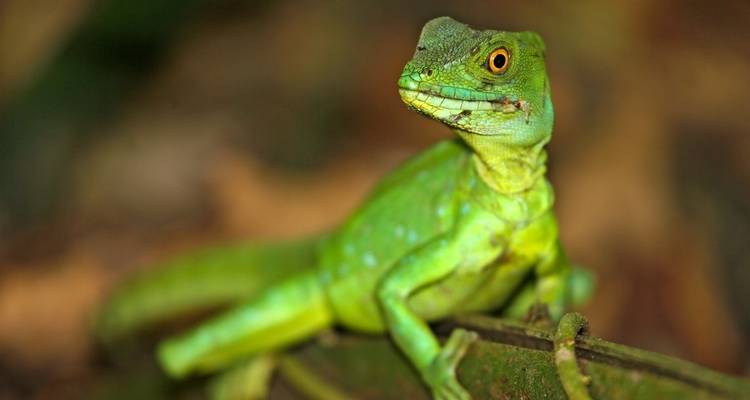
Adventure Transcentral America (from Panama City to Cancun)
30 Days • Experience
Adventure Transcentral America (from Panama City to Guatemala City)
24 Days • Experience

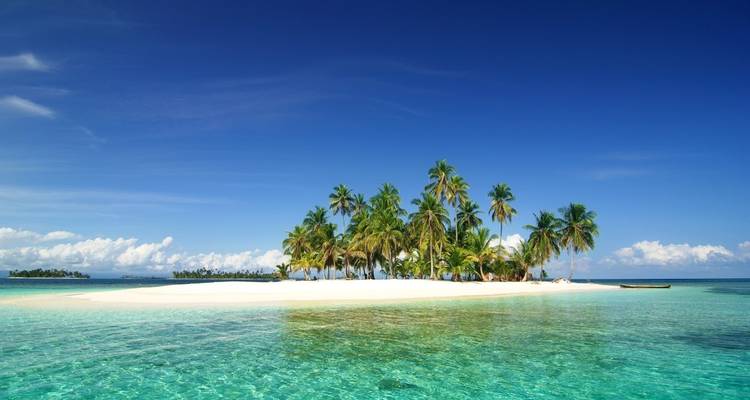
3-Day Trip to Paradise San Blas Island + Meals + Boat Tour
3 Days • Experience
Map View
Explore David on the map
David
The map is centred on David.
Why travel to David?
David suits travelers who want a mix of city convenience and outdoor adventure. Its proximity to Volcán Barú, coffee‑growing regions, and coastal beaches makes it ideal for short nature‑focused getaways, coffee tours, and hiking trips, while still offering urban services for a comfortable stay.
David travel blogs
Stories and guides connected to David and the surrounding destination.
What Should You Know Before Visiting Panama? A Practical Country Guide
Panama is a compact, tropical nation where most attractions lie within a few hours' reach, making a 5‑7‑day itinerary id...
What are the hidden gems of Panama? A guide to secret spots
Panama’s hidden gems include the secluded Pearl Islands archipelago, the mist‑shrouded highlands of Boquete’s Los Cañone...
Is Panama safe for travellers? Essential safety overview
Yes, Panama is generally safe for travellers, especially in tourist‑focused districts and during the dry season. Most vi...
What is a good itinerary for Panama? A 7‑Day Highlights Plan
A good itinerary for Panama packs the capital, the Pacific coast, and the highland rainforest into a balanced 7‑day rout...
What is the best time to visit Panama? Seasonal guide for travelers
The best time to visit Panama is from mid‑December to early April, when the dry season offers sunny skies and minimal ra...
How many days are enough to visit Panama? Find the ideal itinerary
A week—about 5 to 7 days—is enough to experience Panama's main attractions. This range lets you spend two to three days...
More in Panama
Browse more city pages across Panama.