Discover Fomboni

Fomboni is the main town of Mohéli, offering coastal charm and cultural sites.

explore
wb_sunny

24°C / 75°F

Sunny in Fomboni

trending_up

Peak Season

High visitor demand

Fomboni at a glance

Fomboni, located on the island of Mohéli in the Comoros, serves as the island’s administrative centre. With an estimated population of around 13,000 residents, the town experiences a tropical climate with warm temperatures throughout the year and a rainy season from November to April. The dry months from May to October provide the most comfortable conditions for visitors.

palette Culture & Art
restaurant_menu Culinary Heritage
Fomboni View
Fomboni Landmark
Fomboni Street

Things to Do in Fomboni

Curated experiences led by local experts.
View All Activities arrow_forward

Map View

Explore Fomboni on the map

open_in_new Open in Google Maps
place

Fomboni

The map is centred on Fomboni.

-12.288, 43.743

Why travel to Fomboni?

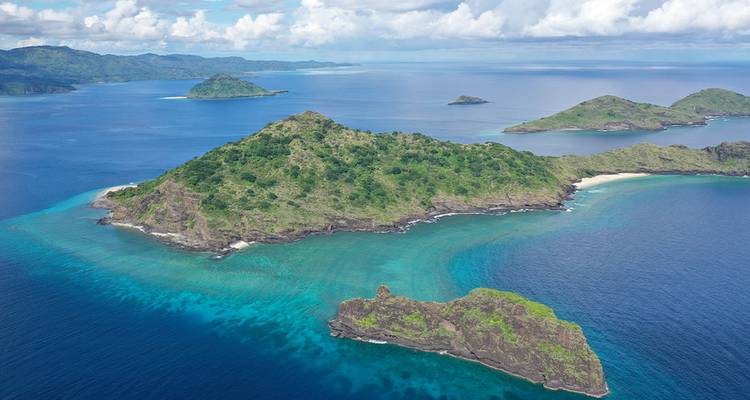
The town is suited for relaxed coastal trips, nature walks, and cultural immersion. Visitors can explore nearby beaches, mangrove forests, and traditional villages, making it appropriate for travelers seeking quiet beach stays, wildlife observation, and insight into Comorian culture.

palette Culture & Art
restaurant_menu Culinary Heritage
Fomboni View
Fomboni Landmark
Fomboni Street

Fomboni travel blogs

Stories and guides connected to Fomboni and the surrounding destination.

More in Comoros

Browse more city pages across Comoros.

Frequently Asked Questions

When is the most suitable period to travel to Fomboni?

expand_more
The most suitable period for visiting Fomboni is during the dry season, which runs from May through October. During these months rainfall is limited and temperatures remain warm, creating comfortable conditions for outdoor activities and beach visits.

What is the typical climate like in Fomboni throughout the year?

expand_more
Fomboni has a tropical climate with consistently warm temperatures year‑round. The town experiences a rainy season from November to April, when showers are more frequent, and a drier, sunnier period from May to October. Humidity is generally high, reflecting its island setting.

Approximately how many people live in Fomboni?

expand_more
Fomboni’s population is estimated at around 13,000 residents. This figure reflects its status as a small town that functions as the administrative centre of Mohéli, one of the three main islands of the Comoros.

How can I arrange accommodation in Fomboni?

expand_more
Accommodation options in Fomboni are limited and may not appear on major booking platforms. Travelers often contact local guesthouses directly, use regional travel agencies, or arrange stays through word‑of‑mouth recommendations. Checking recent travel forums for up‑to‑date contact details can be helpful.

What are the main natural attractions near Fomboni?

expand_more
Near Fomboni, visitors can explore mangrove forests, coral reefs, and the surrounding marine reserve that offers snorkeling and diving opportunities. The island’s interior features modest hills and forested areas suitable for short hikes and wildlife observation, particularly of endemic bird species.

Are there notable beaches close to Fomboni?

expand_more
Several beaches lie within short distance of Fomboni, including the white‑sand stretch of Tsingoni and the more secluded bays around the southern coast of Mohéli. These beaches provide calm waters for swimming, opportunities for snorkeling, and scenic views of the Indian Ocean.

Which cultural or historical sites can I visit in Fomboni?

expand_more
In Fomboni, travelers can visit the town’s market area, which reflects daily Comorian life, and the nearby mosque that illustrates local architecture. Additionally, short trips to traditional villages on Mohéli allow visitors to see historic stone houses and learn about the island’s Swahili‑Arab heritage.

What type of food is commonly served in Fomboni?

expand_more
Fomboni’s cuisine follows typical Comorian patterns, featuring dishes such as grilled fish, coconut‑based curries, and rice served with flavorful sauces. Spices like cloves, cardamom, and vanilla are common, and meals often incorporate locally caught seafood and tropical fruits.

Where can I find restaurants or cafés in Fomboni?

expand_more
Specific restaurant listings for Fomboni are not available in the current dataset. However, small eateries and street‑food stalls are usually found near the central market and waterfront, offering local dishes and refreshments to travelers.

Are there local markets where I can buy crafts or produce?

expand_more
Fomboni hosts a central market where vendors sell fresh produce, spices, and handcrafted items such as woven baskets and wood carvings. The market operates daily and provides an authentic setting for purchasing locally made souvenirs and sampling regional foods.