 Lilshira


Explore Fuvahmulah, Maldives
Fuvahmulah is a unique single‑island atoll offering diverse nature, culture, and marine experiences.
24°C / 75°F
Sunny in Fuvahmulah
Peak Season
High visitor demand
Fuvahmulah at a glance
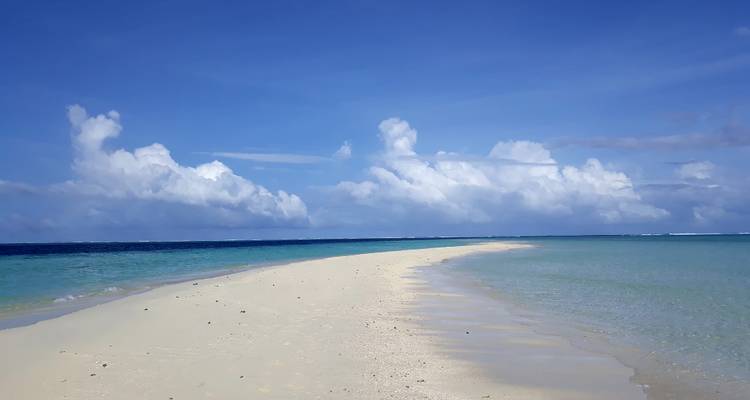
Fuvahmulah stands out as the only one‑island atoll in the Maldives, combining pristine beaches, freshwater lakes, and rich wetlands on a compact island. Its tropical climate provides warm temperatures year‑round, while the dry season offers clear skies and calm seas, making it a distinctive destination for nature‑focused travelers.

Things to Do in Fuvahmulah
Curated experiences led by local experts.

South Male Island‑Hopping Adventure – 8 Days in the Maldives
8 Days • Experience
From USD1,199

Local Island & Luxury Water Villa
5 Days • Experience
From EUR2,126
7N North Ari Island Hopping
8 Days • Experience
From EUR1,428

Sail Maldives
8 Days • Experience
From EUR2,717
Map View
Explore Fuvahmulah on the map
Fuvahmulah
The map is centred on Fuvahmulah.
Why travel to Fuvahmulah?
The island is ideal for eco‑tourism, wildlife observation, and marine activities such as diving and snorkeling. Visitors seeking authentic Maldivian culture, local cuisine, and tranquil landscapes will find Fuvahmulah’s villages, traditional crafts, and unspoiled environments perfectly suited to relaxed, immersive trips.
Fuvahmulah travel blogs
Stories and guides connected to Fuvahmulah and the surrounding destination.
What Should You Know Before Visiting Maldives?
You should know that the Maldives is a tropical archipelago where the dry season (November to April) offers the best wea...
What are the hidden gems of Maldives? A guide to secret atolls and local spots
The Maldives hides dozens of off‑the‑beaten‑path atolls, tiny sand‑capped islands and local villages that most tourists...
Is Maldives Safe for Travellers? Essential Safety Overview
Yes, the Maldives is generally safe for travellers, with low crime rates and well‑regulated tourist facilities. Most vis...
What is a Good Itinerary for Maldives? A 7‑Day Guide
A solid Maldives itinerary spans seven days, combining two atolls, a mix of water activities, cultural stops, and leisur...
What is the best time to visit Maldives? Seasonal guide for travelers
The best time to visit Maldives is from November through April. During these months the archipelago enjoys dry weather,...
How many days are enough to visit Maldives? Find the ideal length
Four to seven days is enough to experience the Maldives fully. This range allows time to fly into Malé, transfer to a re...
More in Maldives
Browse more city pages across Maldives.