 Lilshira


Discover Geelong, Australia
A coastal city known for its waterfront, beaches and cultural attractions.
24°C / 75°F
Sunny in Geelong
Peak Season
High visitor demand
Geelong at a glance
Geelong is a major regional city in the state of Victoria, Australia, with an estimated population of around 250,000 residents. Situated on Corio Bay, it offers a temperate maritime climate featuring warm summers and mild winters. The city’s waterfront promenade, historic architecture and proximity to the Great Ocean Road give it a distinctive appeal for travelers seeking both urban and natural experiences.

Things to Do in Geelong
Curated experiences led by local experts.

4‑Day Albany, ANZAC & Tree Top Walk Adventure from Perth
4 Days • Experience
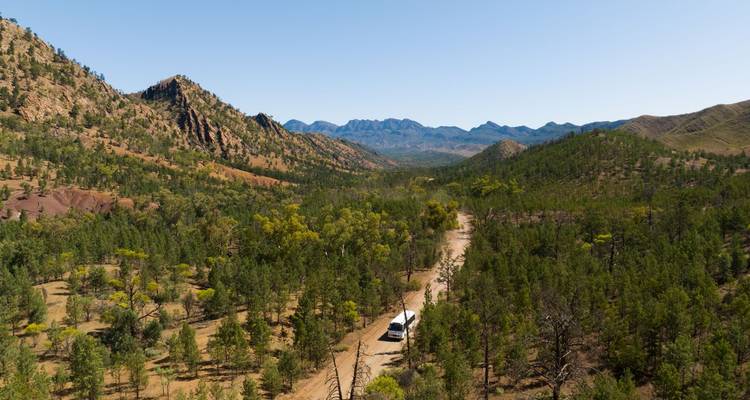
6-Day Eyre Peninsula & Flinders Ranges Adventure – Explore South Australia’s Wild Coast
6 Days • Experience
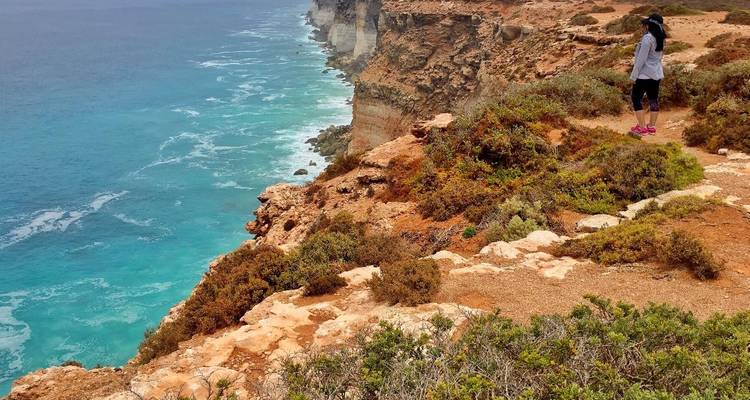
10-Day Perth to Adelaide Adventure – Coastal & Outback Exploration
10 Days • Experience
From USD1,662
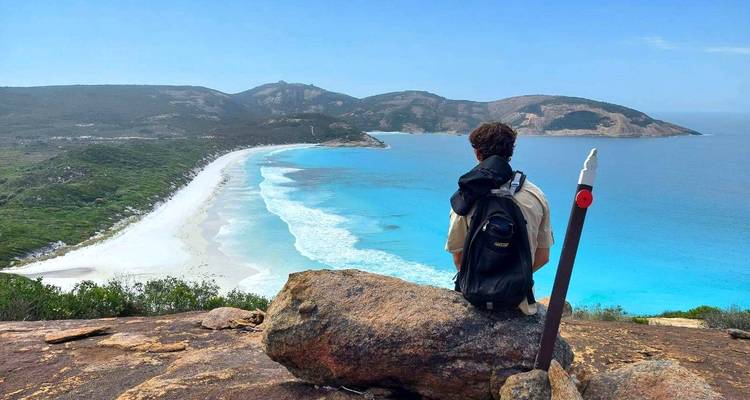
6‑Day Coastal Adventure: Esperance to Margaret River
6 Days • Experience
From EUR833
Map View
Explore Geelong on the map
Geelong
The map is centred on Geelong.
Why travel to Geelong?
Geelong suits a range of trip types: families can enjoy the waterfront parks and nearby beaches; outdoor enthusiasts find easy access to coastal trails and the Bellarine Peninsula; culture seekers appreciate the art galleries, historic railway precinct and local festivals; and business travelers benefit from the city’s modern conference facilities and its position as a transport hub linking Melbourne and regional Victoria.
Geelong travel blogs
Stories and guides connected to Geelong and the surrounding destination.
What should you know before visiting Australia?
Australia rewards careful planning with a mix of iconic landmarks, diverse climates and straightforward logistics. Most...
What are the hidden gems of Australia? A guide to secret spots
Australia’s hidden gems include remote beaches in Western Australia, ancient rainforests in Queensland, and quiet mounta...
Is Australia safe for travellers? A practical safety overview
Yes, Australia is generally safe for travellers. Crime is low in major cities, medical care is world‑class, and natural...
What is a good itinerary for Australia? A 2‑Week Highlights Route
A solid 14‑day itinerary that blends iconic cities, coastal wonders, and the outback gives first‑time visitors a balance...
How many days are enough to visit Australia? Find the ideal trip length
A realistic Australian adventure needs 10‑14 days. This timeframe lets you experience two contrasting regions—such as Sy...
What is the best time to visit Australia? Seasonal tips for region
The best time to visit Australia depends on the region, but the shoulder seasons of September‑November and March‑May gen...
More in Australia
Browse more city pages across Australia.