 Lilshira


Gjirokastër, Albania
Albania’s stone‑city heritage hub, famed for its Ottoman architecture and UNESCO status.
24°C / 75°F
Sunny in Gjirokastër
Peak Season
High visitor demand
Gjirokastër at a glance
Gjirokastër, located in southern Albania, is renowned for its well‑preserved Ottoman‑era stone houses and its designation as a UNESCO World Heritage site. The city’s historic skyline is dominated by the hilltop Gjirokastër Castle, while narrow cobbled streets reveal centuries‑old homes, churches and museums that showcase the region’s cultural legacy.

Things to Do in Gjirokastër
Curated experiences led by local experts.
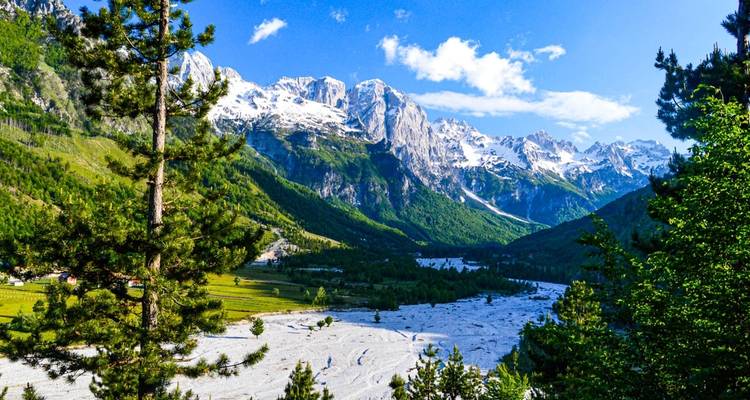
Explore Valbona National Park on a 6‑Day Small‑Group Hiking Tour
6 Days • Experience
From EUR630
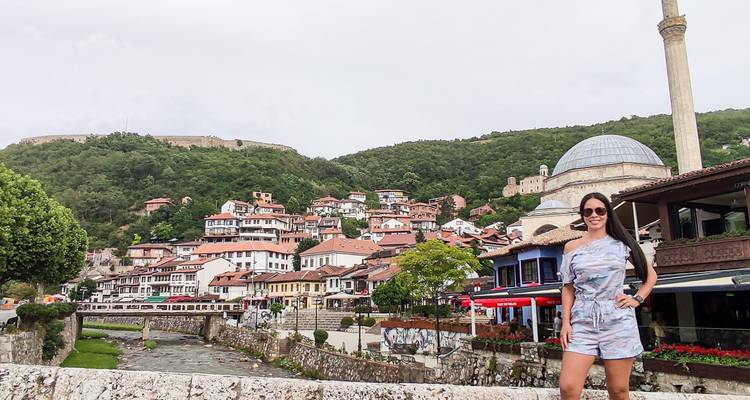
Tour of North Macedonia and Kosovo in two days from Tirana
2 Days • Experience
From EUR375
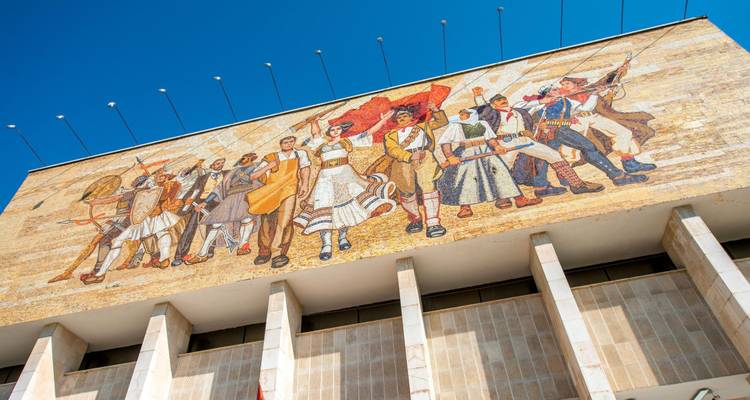
Best of Albania Explorer 8 days Tour
8 Days • Experience
From EUR939

Tirana to Sarajevo / Belgrade; Semi – Private Tour with Dedicated Tour Leader & Car
8 Days • Experience
From EUR1,860
Map View
Explore Gjirokastër on the map
Gjirokastër
The map is centred on Gjirokastër.
Why travel to Gjirokastër?
The city is ideal for cultural‑heritage trips, offering visitors a deep dive into Albanian history, architecture and traditional crafts. It appeals to travelers who enjoy walking tours of historic districts, exploring museums, and sampling local cuisine, making it a perfect destination for history enthusiasts, architecture lovers and food‑curious explorers alike.
Gjirokastër travel blogs
Stories and guides connected to Gjirokastër and the surrounding destination.
What is a good itinerary for Albania? A 10‑Day Plan
A solid 10‑day itinerary lets you experience Albania’s coastal charm, mountain villages, and historic sites without rush...
What should you know before visiting Albania? Quick guide for travelers
You should know that Albania offers a mix of rugged coastlines, Ottoman towns and mountain scenery, best explored in 7‑1...
What are the hidden gems of Albania? A traveler’s guide
Albania’s hidden gems span rugged coastlines, mountain villages, and ancient ruins that most tourists miss. Plan a 7‑10‑...
Is Albania Safe for Travellers? What You Need to Know
Yes, Albania is safe for most travellers, with low rates of violent crime and a welcoming atmosphere. Most visitors expe...
What is the best time to visit Albania? A month‑by‑month guide for travelers
The best time to visit Albania is late spring (May‑June) and early autumn (September‑October). During these shoulder mon...
How many days are enough to visit Albania? A practical guide
Seven to ten days is enough to experience Albania’s main attractions without rushing. A week lets you hit the capital, h...
More in Albania
Browse more city pages across Albania.