 Lilshira


Irákleion, Crete
A historic port city blending ancient ruins, lively markets, and Mediterranean charm.
24°C / 75°F
Sunny in Irákleion
Peak Season
High visitor demand
Irákleion at a glance
Irákleion, the capital of Crete in Greece, sits on a natural harbor and is famed for its archaeological heritage, especially the nearby Palace of Knossos. With a population of roughly 140,000, the city offers a mix of modern amenities and historic streets, making it a standout destination in the Mediterranean region.

Things to Do in Irákleion
Curated experiences led by local experts.

Santorini, Crete, Rhodes, Hydra: 11-Day Greek Island Adventure
11 Days • Experience
From EUR2,813

Best of Greece
14 Days • Experience
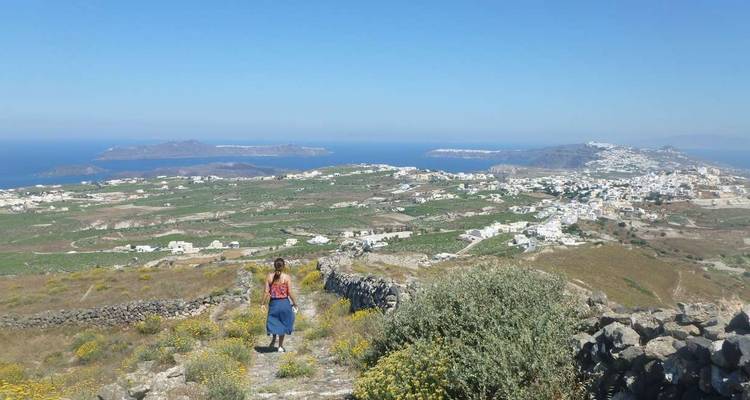
Greek Island Wanderer (New)
14 Days • Experience

Greek Escape plus 2 nights in Santorini
9 Days • Experience
From EUR1,815
Map View
Explore Irákleion on the map
Irákleion
The map is centred on Irákleion.
Why travel to Irákleion?
The city is ideal for travelers who enjoy history, beach relaxation, and culinary experiences. History buffs can explore Minoan sites, while sun‑seekers head to nearby beaches such as Ammoudara. Food lovers appreciate the local tavernas serving Cretan specialties, and families find a range of accommodations and easy‑going tours suitable for all ages.
Irákleion travel blogs
Stories and guides connected to Irákleion and the surrounding destination.
What Should You Know Before Visiting Greece – Complete Country Guide
Before you set foot in Greece, understand the seasonal climate, budget ranges, transport options, key attractions and lo...
What are the hidden gems of Greece? A guide to secret destinations
The hidden gems of Greece are small villages, secluded beaches, and lesser‑known archaeological sites that lie beyond th...
Is Greece Safe for Travellers? Complete Safety Overview
Yes, Greece is considered safe for most travellers. Petty theft is occasional in crowded tourist spots, but violent crim...
What is a good itinerary for Greece? A 10‑Day Balanced Route
A solid 10‑day itinerary that blends mainland highlights with a couple of islands works best for most first‑time visitor...
What is the Best Time to Visit Greece? A Complete Seasonal Overview
May through early October offers the best time to visit Greece. Average highs sit between 24‑30 °C (75‑86 °F), and the s...
How Many Days Are Enough to Visit Greece? Your Complete Guide
Most travelers find that 10 to 14 days provide a balanced taste of Greece’s highlights without feeling rushed. Ten days...
More in Greece
Browse more city pages across Greece.