


Explore Jaffna, Sri Lanka
Discover the cultural heart of northern Sri Lanka, known for historic forts, vibrant temples, and nearby beaches.
24°C / 75°F
Sunny in Jaffna
Peak Season
High visitor demand
Jaffna at a glance
Jaffna, located at the tip of Sri Lanka’s northern peninsula, is home to roughly 80,000 residents. The city experiences a tropical dry climate, with temperatures typically ranging from 28 °C to 33 °C and a pronounced dry season. The most pleasant travel window falls between December and March, when rainfall is minimal and conditions are ideal for exploring outdoor attractions.

Things to Do in Jaffna
Curated experiences led by local experts.
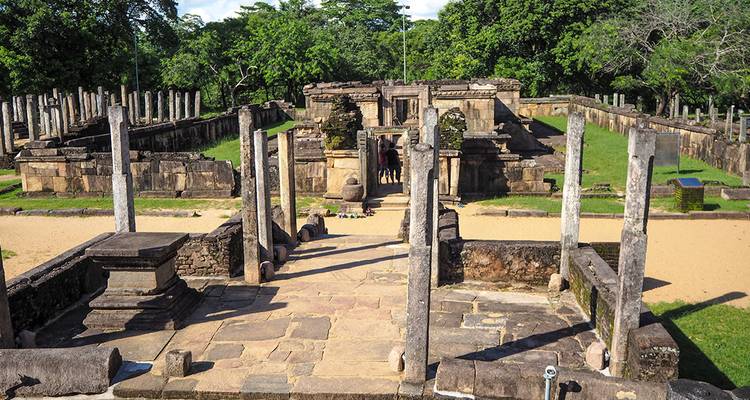
Classic Sri Lanka – 8‑Day Cultural Explorer from Negombo to Colombo
8 Days • Experience
From EUR1,047

Sri Lanka Round Trip With Beach Vacation on the southwest Coast or in the Maldives (incl. flight) (from Colombo to Male)
9 Days • Experience

Sri Lanka Lifetime Adventure
12 Days • Experience
From EUR1,447
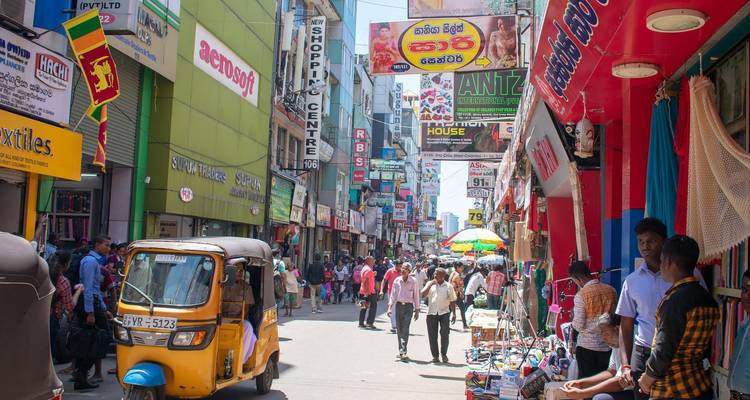
Sri Lanka 6 Nights 7 Days Itinerary
7 Days • Experience
From EUR520
Map View
Explore Jaffna on the map
Jaffna
The map is centred on Jaffna.
Why travel to Jaffna?
Jaffna is ideal for cultural heritage trips, offering forts, temples, and a storied library, as well as relaxed beach getaways at nearby Casuarina. Food‑focused travelers enjoy the city’s renowned spicy cuisine, while history enthusiasts can trace centuries of Tamil heritage. The blend of historic sites and coastal scenery makes Jaffna suitable for short breaks and extended explorations alike.
Jaffna travel blogs
Stories and guides connected to Jaffna and the surrounding destination.
What Should You Know Before Visiting Sri Lanka?
Before you set foot in Sri Lanka, understand its climate zones, visa rules, transport options, and basic etiquette. Plan...
What are the hidden gems of Sri Lanka? A guide to secret spots
Sri Lanka’s hidden gems are its secluded waterfalls, remote hill villages, untouched beaches and lesser‑known wildlife s...
Is Sri Lanka safe for travellers? Essential safety overview
Yes, Sri Lanka is safe for most travellers when basic precautions are observed. Crime against tourists is low, especiall...
What is a Good Itinerary for Sri Lanka? A 10‑Day Classic Route
A solid 10‑day itinerary balances culture, nature, and beach time, letting you see the island’s iconic sites without fee...
What is the best time to visit Sri Lanka? Seasonal guide and tips
The optimal period to travel to Sri Lanka runs from December through March on the west and south coasts, and from April...
How many days are enough to visit Sri Lanka? Find the perfect itinerary
A ten‑day itinerary hits the highlights without feeling rushed. Most travellers find 9‑12 days enough to explore the cul...
More in Sri Lanka
Browse more city pages across Sri Lanka.
