


Discover Johannesburg
Vibrant South African city offering culture, history and urban adventure.
24°C / 75°F
Sunny in Johannesburg
Peak Season
High visitor demand
Johannesburg at a glance
Johannesburg, South Africa's largest urban centre, serves as the country's economic and cultural hub. With a diverse population of roughly 5.5 million, the city blends modern skyscrapers, historic sites and a lively arts scene. Its subtropical highland climate provides warm summers and mild winters, making it a year‑round destination for travelers seeking both city life and nearby nature.

Things to Do in Johannesburg
Curated experiences led by local experts.

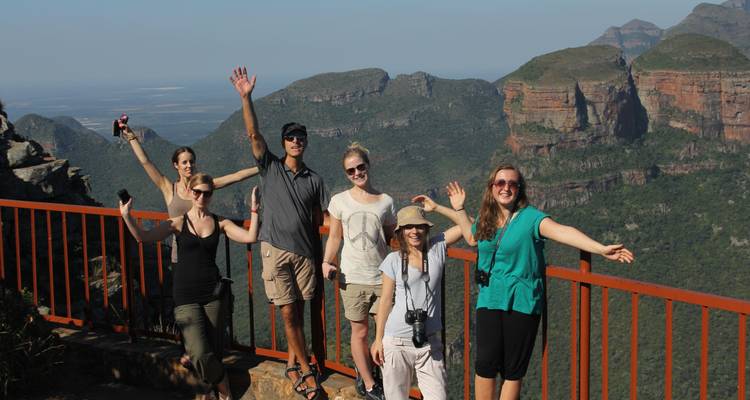
5 Day Kruger Safari Explorer (Accommodated)
5 Days • Experience
From EUR929
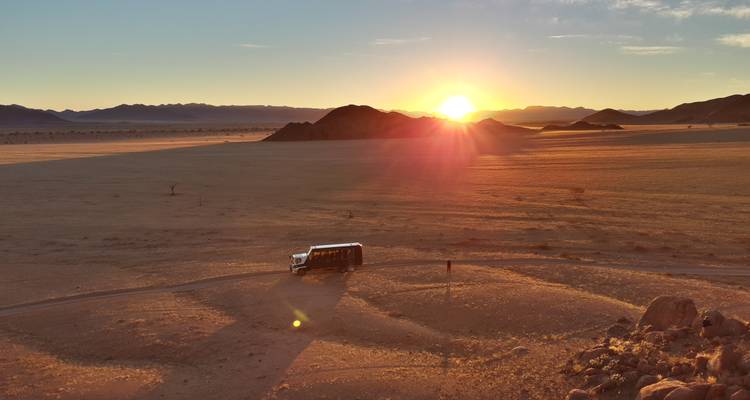
24 Day Cape Town to Johannesburg via Victoria Falls Explorer (Accommodated) - (Namibia, Botswana, Zimbabwe & South Africa)
20 Days • Experience
From EUR5,299
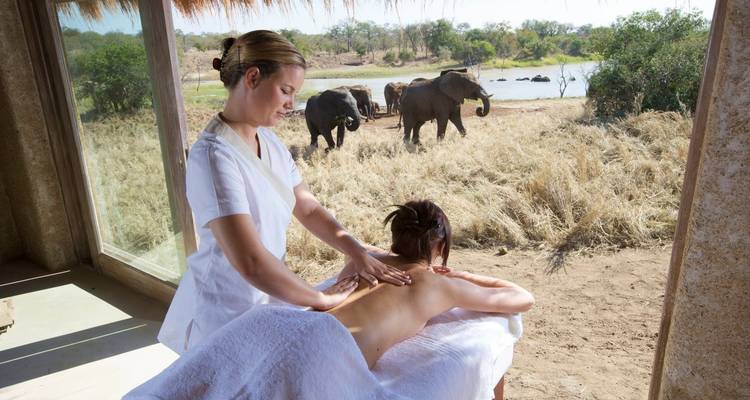
24 Day Cape Town to Johannesburg via Victoria Falls Pioneer (Camping) - Namibia; Botswana; Zimbabwe; South Africa
21 Days • Experience
From EUR3,699
Cape Town, Kruger & Victoria Falls ( Luxurious accommodation )
3 Days • Experience
From EUR2,787
Map View
Explore Johannesburg on the map
Johannesburg
The map is centred on Johannesburg.
Why travel to Johannesburg?
Johannesburg suits a range of trips: business travelers benefit from its status as a commercial centre, culture lovers can explore museums and historic districts, and nature enthusiasts can venture to nearby game reserves and botanical gardens. The city’s dining landscape, shopping precincts and reliable transport options also make it ideal for short city breaks and extended explorations of South Africa’s Gauteng province.
Johannesburg travel blogs
Stories and guides connected to Johannesburg and the surrounding destination.
What is a good itinerary for South Africa? 10‑Day Highlights
A solid 10‑day itinerary starts in Cape Town, explores the scenic Garden Route, ventures into Kruger National Park for a...
What should you know before visiting South Africa – Essential guide
You should plan for the climate, safety, transport and costs before heading to South Africa. Aim for a two‑week trip to...
What are the hidden gems of South Africa? A Traveler’s Guide
South Africa’s hidden gems include the dramatic Amphitheatre in the Drakensberg, the untouched Wild Coast cliffs, the an...
Is South Africa Safe for Travellers? What You Need to Know
South Africa is safe for most travellers who stay aware and respect local advice. Crime rates are higher in certain urba...
What is the Best Time to Visit South Africa? A Complete Guide
The best time to visit South Africa is from May to September, during the dry winter months. This period offers mild temp...
How many days are enough to visit South Africa? Find the ideal length
A solid 10‑14 days gives you enough time to experience South Africa’s main highlights without feeling rushed. This range...
More in South Africa
Browse more city pages across South Africa.