 Lilshira


Discover Karakol, Kyrgyzstan
A gateway to the Tian Shan mountains, Lake Issyk‑Kul and rich cultural heritage.
24°C / 75°F
Sunny in Karakol
Peak Season
High visitor demand
Karakol at a glance
Karakol is a city located in Kyrgyzstan. According to the current dataset, there are no listed businesses, restaurants, hotels, or shops for this destination, indicating that local service information is not available in the platform's inventory.

Things to Do in Karakol
Curated experiences led by local experts.

Popular Yssyk-Kul and Son-Kul tour Kyrgyzstan
7 Days • Experience

9-day Kyrgyzstan Group Tour
9 Days • Experience
From EUR1,340

11-days Kazakhstan and Kyrgyzstan Group Tour
11 Days • Experience
From EUR1,599
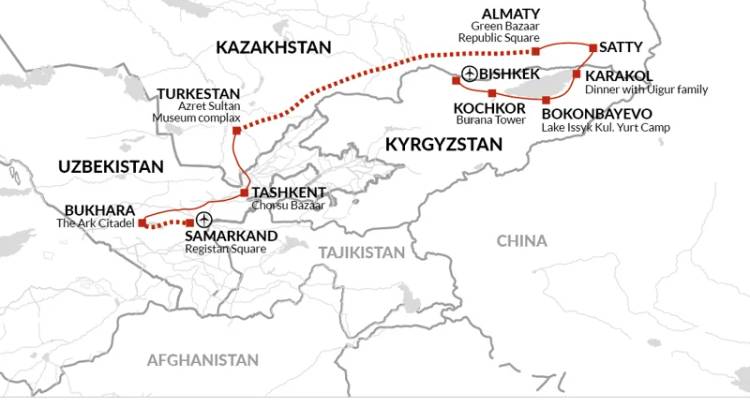
The Three Stans of The Silk Road
15 Days • Experience
From EUR3,653
Map View
Explore Karakol on the map
Karakol
The map is centred on Karakol.
Why travel to Karakol?
Because the platform does not list any local services, travelers should plan accommodations, dining and activities independently. Karakol may suit independent explorers who are comfortable arranging their own itinerary and seeking information from external sources.
Karakol travel blogs
Stories and guides connected to Karakol and the surrounding destination.
What is a good itinerary for Kyrgyzstan? A 10‑Day Adventure
A solid itinerary is a 10‑day loop that starts in Bishkek, heads east to the alpine lake Issyk‑Kul, traverses the Tien S...
What Should You Know Before Visiting Kyrgyzstan?
You should plan for a two‑week itinerary to experience the country’s highlights. Most travelers spend 10‑14 days, which...
What are the hidden gems of Kyrgyzstan? A traveler’s guide
Kyrgyzstan’s hidden gems include the alpine lake of Ala‑Archa, the remote Silk Road town of Kochkor, the volcanic crater...
Is Kyrgyzstan Safe for Travellers? Complete Safety Overview
Yes, Kyrgyzstan is considered safe for most travellers. Most visitors experience low levels of violent crime and find lo...
What is the best time to visit Kyrgyzstan? A seasonal guide
The best time to visit Kyrgyzstan is from late June through early September. During these months daytime temperatures ra...
How many days are enough to visit Kyrgyzstan? Find the Perfect Trip Length
A ten‑day itinerary hits the highlights for most first‑time visitors. Ten days lets you experience the capital, iconic l...
More in Kyrgyzstan
Browse more city pages across Kyrgyzstan.

