 Lilshira


Discover Kitwe, Zambia
Zambia’s vibrant mining hub offers cultural sites, bustling markets, and warm hospitality.
24°C / 75°F
Sunny in Kitwe
Peak Season
High visitor demand
Kitwe at a glance
Kitwe, located in the Copperbelt Province of Zambia, is the country’s second‑largest city and a central hub for the copper mining industry. Its urban landscape blends modern commerce with traditional Zambian culture, making it a distinct destination for travelers interested in both industrial heritage and local life.

Things to Do in Kitwe
Curated experiences led by local experts.
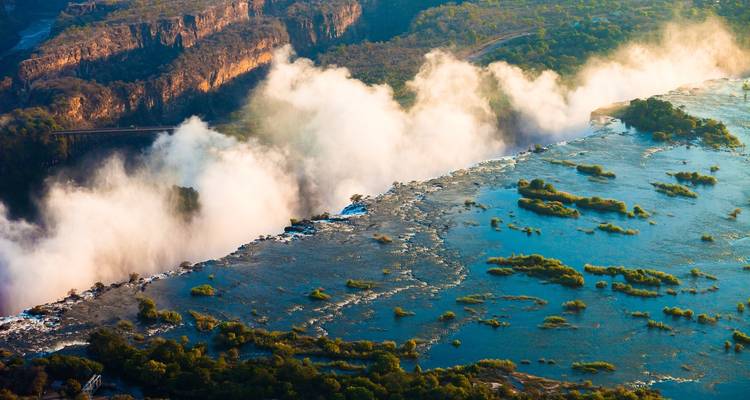
Classic Victoria Falls, Chobe and The Okavango Delta
4 Days • Experience
From EUR4,855

From Livingstone: 3 days - Explore Lochinvar National Park for bird-watching excursion
3 Days • Experience
From EUR439
From Livingstone: 3 days - Explore Lochinvar National Park for bird-watching excursion
3 Days • Experience
From EUR439

From Livingstone: 3-days safari travel to Kafue National Park (southern part), Ngoma Area Management
3 Days • Experience
From EUR641
Map View
Explore Kitwe on the map
Kitwe
The map is centred on Kitwe.
Why travel to Kitwe?
Kitwe suits a range of trips: business travelers connected to mining and trade, cultural explorers seeking museums and markets, and families looking for safe, city‑center experiences. The dry season from May to October provides comfortable weather for sightseeing, while the city’s markets and cultural venues offer authentic Zambian encounters.
Kitwe travel blogs
Stories and guides connected to Kitwe and the surrounding destination.
What Should You Know Before Visiting Zambia?
Before you set foot in Zambia, make sure you have a valid visa, are up to date on recommended vaccinations, and plan tra...
What are the hidden gems of Zambia? A guide to secret wonders
Zambia’s hidden gems include the sprawling Bangweulu Wetlands, the dramatic Kalambo Falls, Kasanka National Park’s seaso...
What is a good itinerary for Zambia? A detailed 10‑14‑day plan
A solid 10‑14‑day itinerary lets you experience Zambia’s top wildlife parks, river adventures, and cultural sites withou...
Is Zambia Safe for Travellers? What You Need to Know
Yes, Zambia is considered safe for most travellers who take standard precautions. Most visitors experience smooth journe...
What is the best time to visit Zambia? A seasonal guide
The best time to visit Zambia is during the dry winter months from June to October. This period offers the most reliable...
How many days are enough to visit Zambia? Find the perfect length
Most travelers need between eight and twelve days to experience Zambia comfortably. This range covers a classic circuit:...
More in Zambia
Browse more city pages across Zambia.