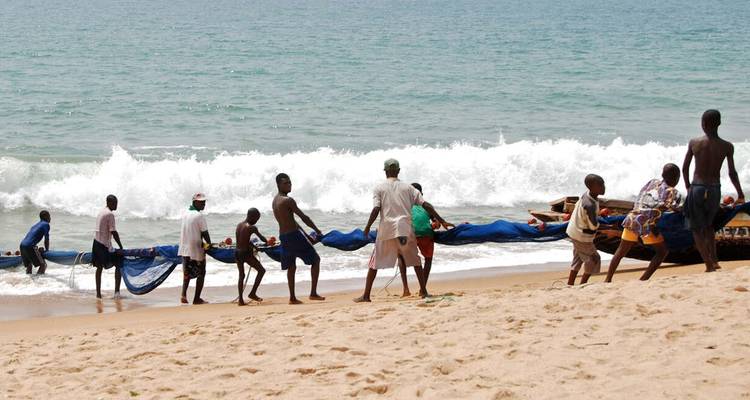
Explore Lomé, Togo

Discover the capital’s markets, coastline, and cultural sites.

explore
wb_sunny

24°C / 75°F

Sunny in Lomé

trending_up

Peak Season

High visitor demand

Lomé at a glance

Lomé, the bustling capital of Togo, is home to roughly 1.5 million people. Situated on the Gulf of Guinea, the city experiences a tropical savanna climate with a rainy season from May to October and a drier, cooler period from November to February. Its coastal location, vibrant markets, and blend of colonial and African architecture make it a distinctive West African destination.

palette Culture & Art
restaurant_menu Culinary Heritage
Lomé View
Lomé Landmark
Lomé Street

Things to Do in Lomé

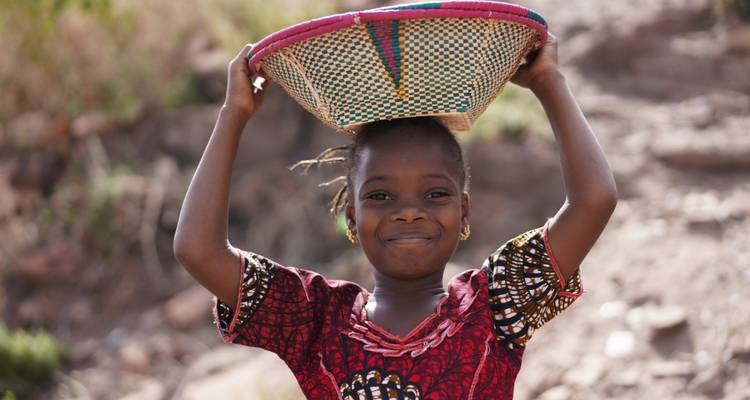
Curated experiences led by local experts.
View All Activities arrow_forward

Map View

Explore Lomé on the map

open_in_new Open in Google Maps
place

Lomé

The map is centred on Lomé.

6.129, 1.222

Why travel to Lomé?

Lomé suits travelers seeking a mix of cultural immersion and seaside relaxation. The city’s markets provide opportunities to sample local crafts and foods, while nearby beaches offer a calm retreat from urban activity. Visitors interested in history, music, and regional commerce will find the capital’s museums, festivals, and trading hubs aligned with their interests.

palette Culture & Art
restaurant_menu Culinary Heritage
Lomé View
Lomé Landmark
Lomé Street

Lomé travel blogs

Stories and guides connected to Lomé and the surrounding destination.

More in Togo

Browse more city pages across Togo.

Frequently Asked Questions

When is the best time to visit Lomé?

expand_more
The most favorable period for visiting Lomé is during the dry season, which runs from November through February. During these months, rainfall is minimal, temperatures are slightly lower, and outdoor activities such as market visits and beach outings are more comfortable.

What is the climate like in Lomé throughout the year?

expand_more
Lomé has a tropical savanna climate. The city experiences a rainy season from May to October with frequent showers and higher humidity. From November to April, the weather is drier and slightly cooler, with average daytime temperatures ranging between 27 °C and 31 °C year‑round.

How many people live in Lomé?

expand_more
Lomé’s population is estimated at around 1.5 million residents, making it the largest city in Togo and a central hub for commerce, government, and culture within the country.

What currency is used in Lomé?

expand_more
The official currency in Lomé, as throughout Togo, is the West African CFA franc (XOF). Banks, ATMs, and most merchants accept the CFA franc, and credit cards are accepted in many hotels and larger establishments.

Do I need a visa to travel to Lomé, Togo?

expand_more
Visa requirements for Togo depend on the traveller’s nationality. Citizens of many African, European, and North American countries can obtain a visa on arrival at Lomé‑Tokoin Airport, while others must apply in advance at a Togolese embassy or consulate. Always verify the latest entry rules before departure.

What are the main attractions in Lomé?

expand_more
Key attractions in Lomé include the Grand Marché for local crafts, the Lomé Grand Market, the National Museum of Togo, the Independence Monument, and the nearby Lomé Beach. Visitors also enjoy the Botanical Garden, the Art Deco‑style Palais des Congrès, and cultural festivals held throughout the year.

Where can I find markets or shopping areas in Lomé?

expand_more
The Grand Marché, located near the city centre, is the primary market where vendors sell textiles, jewelry, foodstuffs, and handmade goods. Smaller specialty markets such as the Akodessewa Market focus on crafts and souvenirs, while modern shopping centres provide supermarkets and boutique stores.

What cultural sites are worth visiting in Lomé?

expand_more
Cultural sites in Lomé include the National Museum of Togo, which presents archaeological and ethnographic collections, the Palais de la République, and the historic French colonial‑era railway station. The city also hosts regular music and dance performances at venues like the Centre Culturel Français.

Are there any beaches near Lomé?

expand_more
Lomé lies on the Atlantic coast, and its urban beach stretches along the waterfront near the city centre. The beach offers sand, gentle waves, and local eateries. For a quieter setting, visitors can travel a short distance north to the fishing village of Aného, which features less crowded shoreline.

What local dishes should I try in Lomé?

expand_more
Traditional Togolese dishes to sample in Lomé include fufu served with palm‑nut soup, grilled fish seasoned with local spices, and akpan (fermented millet porridge). Street vendors also offer fried plantains, akara bean fritters, and fresh fruit juices made from mango, pineapple, and papaya.