 Lilshira


Explore Mabaruma, Guyana
A gateway to the Barima‑Waini region’s rivers, rainforests and indigenous culture.
24°C / 75°F
Sunny in Mabaruma
Peak Season
High visitor demand
Mabaruma at a glance
Mabaruma, the capital of Guyana’s Barima‑Waini region, is a small riverside town of roughly 2,500 residents. Set amid a tropical rainforest climate, it experiences hot, humid days with a pronounced rainy season. Its remote location, vibrant indigenous community, and access to the Barima River make it a distinctive point of entry for nature‑focused travelers seeking authentic cultural experiences.

Things to Do in Mabaruma
Curated experiences led by local experts.
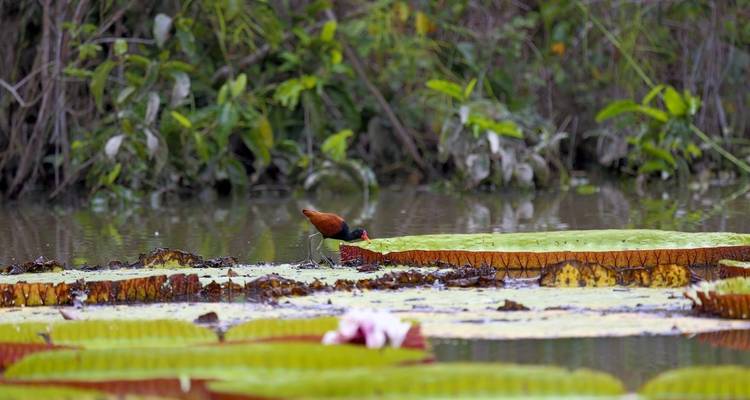
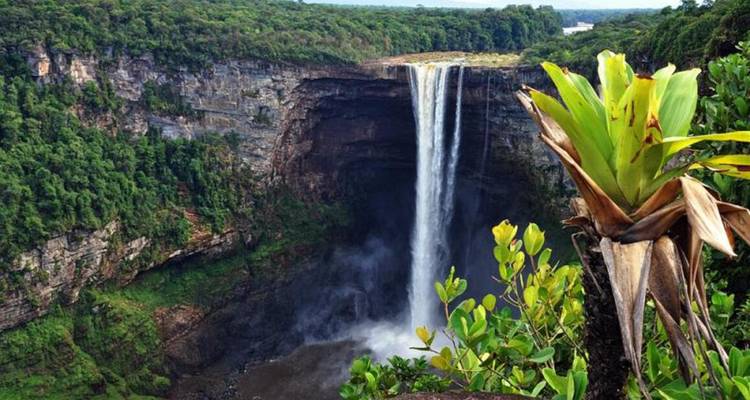
Map View
Explore Mabaruma on the map
Mabaruma
The map is centred on Mabaruma.
Why travel to Mabaruma?
The town is ideal for eco‑adventure trips, cultural immersion, and river‑based exploration. Visitors interested in guided rainforest hikes, wildlife spotting, or learning about the traditions of the Arawak and Carib peoples will find Mabaruma a fitting base. Its modest accommodations and local eateries cater to budget‑conscious travelers who prefer off‑the‑beaten‑path destinations.
Mabaruma travel blogs
Stories and guides connected to Mabaruma and the surrounding destination.
What Should You Know Before Visiting Guyana? A Complete Country Guide
Before you set foot in Guyana, know that you’ll need a visa (or visa‑free entry for many nationals), a tropical climate...
What are the hidden gems of Guyana? Explore Off‑The‑Beaten‑Path Treasures
Guyana’s hidden gems are the untouched Iwokrama rainforest, the remote Kanuku Mountains, the historic Fort Kyk‑Over‑Al,...
Is Guyana Safe for Travellers? A Practical Safety Overview
Yes, Guyana is safe for most travellers who stay informed and follow standard precautions. The country’s crime rate is l...
What is a good itinerary for Guyana? A Complete 8‑10‑Day Guide
An 8‑10‑day itinerary is ideal for Guyana, letting you explore Georgetown, the mighty Kaieteur Falls, Iwokrama rainfores...
What is the best time to visit Guyana? Seasonal guide
The best time to visit Guyana is during the dry season, from late August to early December. This window brings reliable...
How many days are enough to visit Guyana? A practical guide
Eight to ten days is generally enough to experience Guyana’s highlights without feeling rushed. A week‑long trip covers...
More in Guyana
Browse more city pages across Guyana.