 Lilshira


Mexico City, Mexico
A bustling capital where ancient history meets modern culture.
24°C / 75°F
Sunny in Mexico City
Peak Season
High visitor demand
Mexico City at a glance
Mexico City, the capital of Mexico, is home to roughly 9 million residents, making it one of the largest urban centers in the Americas. Set at an elevation of 2,240 m, the city enjoys a mild, temperate climate with dry winters and a rainy season from June to September. Visitors find the most comfortable weather during the dry months of March to May and October to November, when temperatures are moderate and skies are clear.

Things to Do in Mexico City
Curated experiences led by local experts.
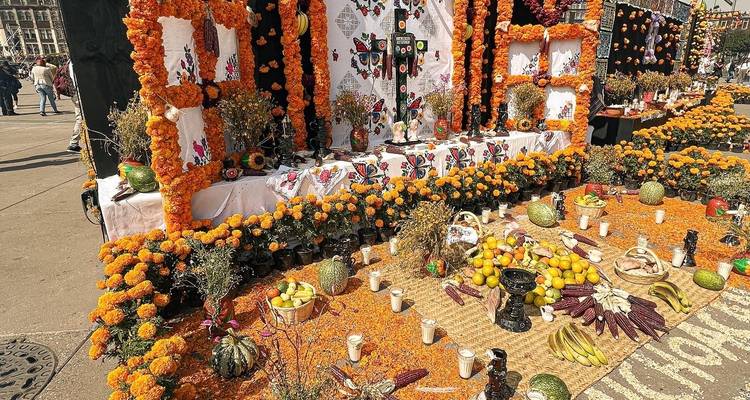
Day of the Dead Comfort Tour – 5 Days in Mexico City
5 Days • Experience
From USD1,948

Explore Mexico City's Day of the Dead – 6‑Day Guided Tour
6 Days • Experience
From EUR1,299

Mayan Heart Trip – 14‑Day Explorer Tour from Cancun
14 Days • Experience
From EUR680

Yucatan & Quintana Roo 7‑Day Cultural Adventure from Cancun
7 Days • Experience
From EUR595
Map View
Explore Mexico City on the map
Mexico City
The map is centred on Mexico City.
Why travel to Mexico City?
The city is ideal for cultural and culinary trips, offering a blend of pre‑Hispanic heritage, colonial architecture, and contemporary art. History buffs can explore ancient ruins and grand cathedrals, while food enthusiasts savor street‑taco stalls and upscale eateries. Families appreciate expansive parks and interactive museums, and night‑life seekers enjoy lively neighborhoods filled with bars and live music.
Mexico City travel blogs
Stories and guides connected to Mexico City and the surrounding destination.
What is a good itinerary for Mexico? A 10‑Day Highlights Route
A solid 10‑day itinerary balances Mexico City, the Yucatán Peninsula, and Oaxaca, giving culture, history, and beach tim...
What should you know before visiting Mexico? A practical country guide
Before you travel to Mexico, be aware of the climate, safety basics, currency, and local customs. Most visitors find thr...
Is Mexico Safe for Travellers? What You Need to Know
Mexico is generally safe for travellers who stick to well‑touristed areas, stay informed about local conditions, and use...
What Are the Hidden Gems of Mexico? Explore Off‑The‑Radar Treasures
Mexico’s hidden gems are remote cenotes, untouched beach villages, and lesser‑known colonial towns that lie beyond the t...
What is the best time to visit Mexico? A practical guide
The optimal time to visit Mexico is from late November through early April. During these months the weather is dry and w...
How many days are enough to visit Mexico? A practical guide
A week—seven full days—is generally enough to experience Mexico’s most iconic regions without feeling rushed. This timef...
More in Mexico
Browse more city pages across Mexico.