 Lilshira


Explore Montpellier
Discover Montpellier’s historic streets, Mediterranean climate and vibrant cultural scene.
24°C / 75°F
Sunny in Montpellier
Peak Season
High visitor demand
Montpellier at a glance
Montpellier is a dynamic city in southern France with an estimated population of around 300,000 residents. It enjoys a Mediterranean climate, offering mild winters and warm summers, making it appealing year‑round. The city is known for its blend of historic architecture, university atmosphere, and lively markets, positioning it as a notable destination in the Occitanie region.

Things to Do in Montpellier
Curated experiences led by local experts.

Explore the Loire Valley on Two Wheels – 5‑Day Amboise Cycling Loops
5 Days • Experience
From USD1,012

13‑Day Tour du Mont Blanc TMB Circuit – Guided Alpine Trek from Chamonix
13 Days • Experience
From USD4,707

Solo Ski & Snowboard Adventure in France – 8‑Day Group Trip
8 Days • Experience
From USD409
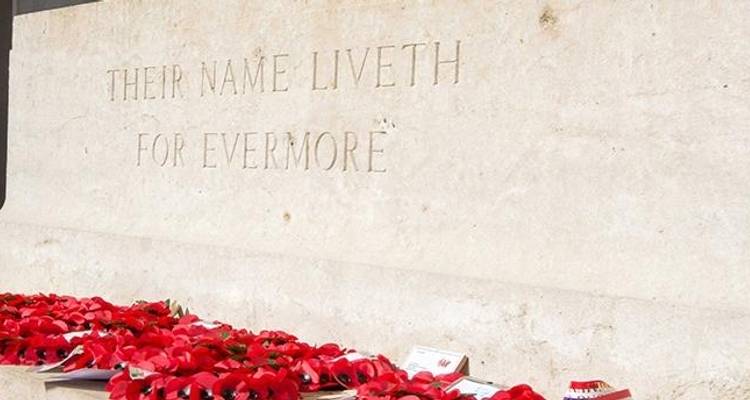
ANZAC on the Western Front 2023
6 Days • Experience
Map View
Explore Montpellier on the map
Montpellier
The map is centred on Montpellier.
Why travel to Montpellier?
The city suits a range of trips, from short city breaks that focus on cultural landmarks and cafés to longer stays that explore surrounding vineyards and coastal towns. Its walkable historic centre, university vibe, and seasonal festivals make it attractive for solo travelers, couples, and families seeking both education and leisure.
Montpellier travel blogs
Stories and guides connected to Montpellier and the surrounding destination.
What Should You Know Before Visiting France? A Complete Country Guide
Before you set foot in France, know that a 10‑12‑day itinerary covers the highlights while keeping travel time manageabl...
What are the hidden gems of France? A traveler’s guide
France’s hidden gems are remote villages, secluded coastlines and untouched mountain valleys that sit off the main touri...
Is France safe for travellers? A practical safety overview
France is safe for travellers overall, with low violent‑crime rates and well‑maintained infrastructure. Most visitors ex...
What is a good itinerary for France? A 10‑Day Classic Route
A solid 10‑day itinerary that threads Paris, the Loire Valley, Lyon, Provence and Bordeaux works for most first‑time tra...
What is the best time to visit France? Seasonal highlights and tips
The best time to visit France is late spring (mid‑May to early June) or early autumn (mid‑September to early October). D...
How many days are enough to visit France? Find your perfect stay
A ten‑day itinerary is generally enough for most first‑time visitors to France. Ten days let you explore Paris, a nearby...
More in France
Browse more city pages across France.