 Lilshira


Discover Natal, Brazil
A coastal city known for golden sands, towering dunes, and vibrant culture.
24°C / 75°F
Sunny in Natal
Peak Season
High visitor demand
Natal at a glance
Natal sits on Brazil’s northeastern Atlantic coast, offering a blend of urban life and natural beauty. The city’s tropical climate provides warm temperatures year‑round, while its historic Forte dos Reis Magos and extensive beachfronts set it apart as a destination with both cultural depth and seaside appeal.

Things to Do in Natal
Curated experiences led by local experts.

Rio de Janeiro: South America’s Beach Capital – 5‑Day Cultural Explorer
5 Days • Experience
From USD985
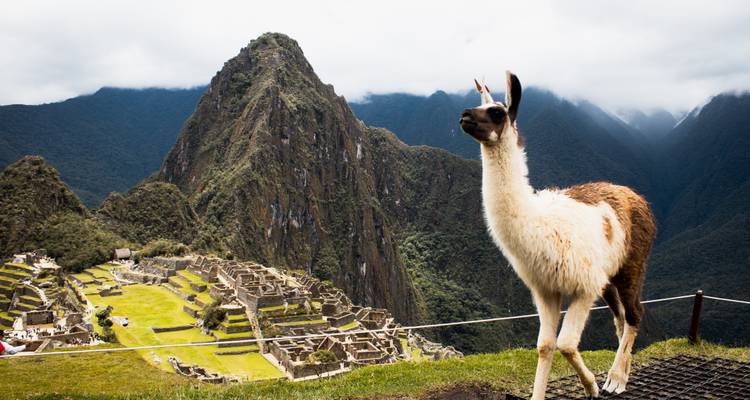
Independent Brazil, Argentina, & Peru
16 Days • Experience

Independent Rio de Janeiro and Iguassu Falls
6 Days • Experience
From EUR1,698

Independent Rio de Janeiro and Iguassu Falls with Brazil's Amazon
9 Days • Experience
From EUR2,876
Map View
Explore Natal on the map
Natal
The map is centred on Natal.
Why travel to Natal?
Natal is ideal for beach holidays, adventure trips to nearby dunes and coral reefs, and cultural explorations of colonial heritage. Families enjoy safe, family‑friendly beaches, while solo travelers and couples appreciate the mix of relaxation and outdoor activities such as sandboarding, kite surfing, and guided nature tours.
Natal travel blogs
Stories and guides connected to Natal and the surrounding destination.
What Should You Know Before Visiting Brazil – Complete Country Guide
Brazil is a vast, culturally diverse country where safety, climate, and logistics vary widely, so planning ahead is esse...
What are the hidden gems of Brazil? Explore off‑beat wonders
Brazil hides dozens of lesser‑known treasures beyond Rio and the Amazon. From the turquoise pools of Chapada dos Veadeir...
Is Brazil Safe for Travellers? A Practical Safety Overview
Brazil is safe for travellers who plan wisely and stay alert. Most popular destinations such as Rio de Janeiro, São Paul...
What is a good itinerary for Brazil? A 12‑Day Highlights Route
A good itinerary for Brazil is a 12‑day loop that starts in Rio de Janeiro, heads south to Iguazu Falls, then flies nort...
What is the best time to visit Brazil? A complete seasonal guide for every traveler
The best time to visit Brazil is from May through October, when most regions enjoy pleasant temperatures and lower rainf...
How many days are enough to visit Brazil? Find the right length
A two‑week itinerary hits the highlights without feeling rushed. Most travelers find ten to fourteen days ideal, allowin...
More in Brazil
Browse more city pages across Brazil.