 Lilshira


Discover Naxçıvan, Azerbaijan
A historic exclave offering cultural landmarks, diverse landscapes and a continental climate.
24°C / 75°F
Sunny in Naxçıvan
Peak Season
High visitor demand
Naxçıvan at a glance
Naxçıvan, an autonomous republic of Azerbaijan, sits as an exclave bordered by Armenia, Iran and Turkey. With an estimated population of around 450,000, the city blends ancient architecture, such as the Momine Khatun Mausoleum, with rugged mountain scenery. Its semi‑arid continental climate creates distinct seasons, making it a unique destination in the South Caucasus.

Things to Do in Naxçıvan
Curated experiences led by local experts.

Azerbaijan Georgia and Armenia Tour (16 Days)
16 Days • Experience
From EUR2,850

Azerbaijan, Georgia, Armenia Highlighs 14 days
14 Days • Experience
From EUR2,458

Azerbaijan Georgia Armenia Tour 20 days
20 Days • Experience
From EUR3,780
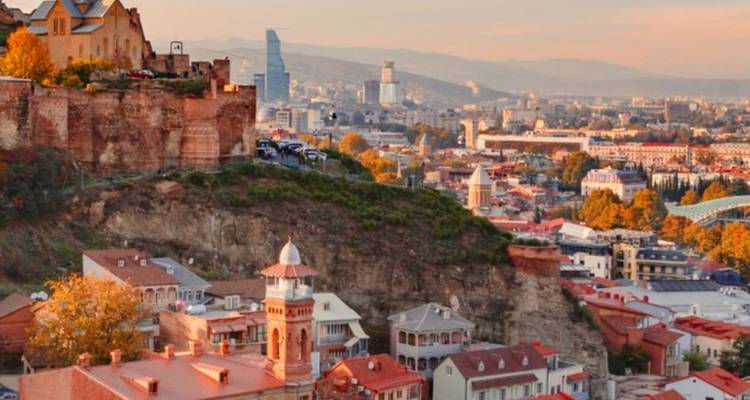
Caucasus / Azerbaijan - Georgia - Armenia / 13 days / 12 nights 2026 / MIN 2 PAX
13 Days • Experience
From EUR3,323
Map View
Explore Naxçıvan on the map
Naxçıvan
The map is centred on Naxçıvan.
Why travel to Naxçıvan?
Naxçıvan suits travelers interested in history, archaeology and nature. The region’s well‑preserved monuments, museums and natural sites are ideal for cultural tours and outdoor excursions during the mild spring or early autumn months. Visitors can enjoy local cuisine, explore traditional bazaars and experience a quieter side of Azerbaijan away from the capital.
Naxçıvan travel blogs
Stories and guides connected to Naxçıvan and the surrounding destination.
What should you know before visiting Azerbaijan – essential guide
Before you set foot in Azerbaijan, check visa requirements, choose the right travel season, plan transport, and budget f...
What are the hidden gems of Azerbaijan? A traveler’s guide
Among Azerbaijan’s best‑kept secrets are the high‑altitude village of Khinalug, the craft‑laden streets of Lahij, the sa...
Is Azerbaijan Safe for Travellers? What You Need to Know
Yes, Azerbaijan is considered safe for most travellers who follow standard precautions. Crime rates in tourist hubs like...
What is a good itinerary for Azerbaijan? A 7‑Day Travel Plan
A solid 7‑day itinerary lets you experience Azerbaijan’s highlights without feeling rushed. Spend three days in Baku, tw...
What is the best time to visit Azerbaijan? A practical guide
The best time to visit Azerbaijan is late spring (May‑June) and early autumn (September‑October). During these months te...
How many days are enough to visit Azerbaijan? A practical guide
A week is generally enough to explore Azerbaijan’s highlights without rushing. Most travellers allocate 5‑7 days, spendi...
More in Azerbaijan
Browse more city pages across Azerbaijan.
