 Lilshira


Explore Pakse, Laos
Discover the gateway to southern Laos, its river setting, cultural sites and natural scenery.
24°C / 75°F
Sunny in Pakse
Peak Season
High visitor demand
Pakse at a glance
Pakse is a principal city in southern Laos, home to roughly 120,000 residents. Situated where the Mekong and Se Kong rivers meet, it experiences a tropical monsoon climate with a dry season from November to April and a rainy season May to October. The most comfortable period for visitors is the cooler, dry months of November through February, when temperatures are moderate and rainfall is low.

Things to Do in Pakse
Curated experiences led by local experts.
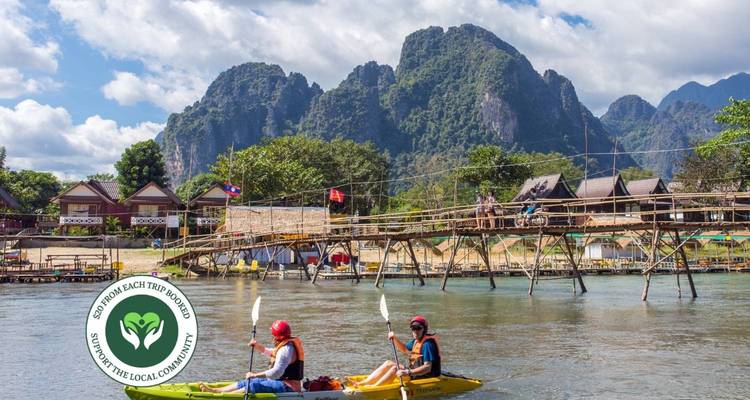
The Charm of Laos in 10 Days - Private Tour
10 Days • Experience
From EUR1,070
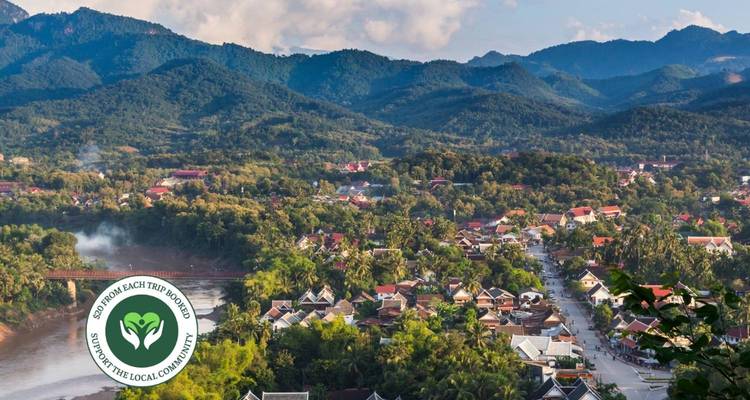
Images of Laos in 4 Days - Private Tour
4 Days • Experience
From EUR426
Images of Laos in 4 Days - Private Tour
4 Days • Experience
From EUR426

2 Day Mekong River Cruise From Houay Xay to Luang Prabang via Pakbeng (Thailand to Laos Downstream)
2 Days • Experience
From EUR359
Map View
Explore Pakse on the map
Pakse
The map is centred on Pakse.
Why travel to Pakse?
The city serves travelers interested in cultural heritage, nature and river experiences. Pakse provides easy access to historic sites such as Wat Phou, the highlands of the Bolaven Plateau, and waterfalls like Tad Fane. It is also a starting point for Mekong river cruises, trekking, and exploring local markets, making it suitable for both relaxed sightseeing and active adventure itineraries.
Pakse travel blogs
Stories and guides connected to Pakse and the surrounding destination.
What is a good itinerary for Laos? A Complete 7‑Day Guide
A solid 7‑day itinerary for Laos starts in Vientiane, moves north to Vang Vieng, then Luang Prabang, and finishes with a...
What should you know before visiting Laos? Essential travel guide
You should be aware of Laos' visa‑on‑arrival policy, the tropical monsoon climate, modest dress expectations, limited Wi...
What are the hidden gems of Laos? A guide to off‑the‑radar treasures
Laos hides dozens of off‑the‑radar wonders, from misty waterfalls in the north to limestone karsts in the south. Most tr...
Is Laos Safe for Travellers? What You Need to Know
Yes, Laos is generally safe for travellers, with low levels of violent crime and a welcoming local culture. Most visitor...
What is the best time to visit Laos? November‑February is ideal
The best time to visit Laos is from November to February. During these months the weather is cool and dry, which makes r...
How Many Days Are Enough to Visit Laos? Planning Your Trip
A week to ten days is enough to experience Laos' highlights without feeling rushed. Most travelers find seven to ten day...
More in Laos
Browse more city pages across Laos.