 Lilshira


Discover Palma, Spain
A Mediterranean city known for its historic architecture, vibrant culture, and coastal charm.
24°C / 75°F
Sunny in Palma
Peak Season
High visitor demand
Palma at a glance
Palma, the capital of Spain's Balearic island of Mallorca, hosts roughly 416,000 residents. The city enjoys a Mediterranean climate with mild winters and hot, dry summers, making its streets and waterfront lively year‑round. Its historic centre features notable landmarks such as the Gothic cathedral, the Almudaina Palace and Bellver Castle, offering a clear sense of the island’s heritage.

Things to Do in Palma
Curated experiences led by local experts.

3‑Day La Tomatina Festival Tour with 3‑Star Hotel in Valencia
3 Days • Experience
From USD339

Barcelona to Rome Quest (Standard, Summer ( Until Mar '27), Classic)
9 Days • Experience

Spain & Portugal Panorama (Summer)
12 Days • Experience
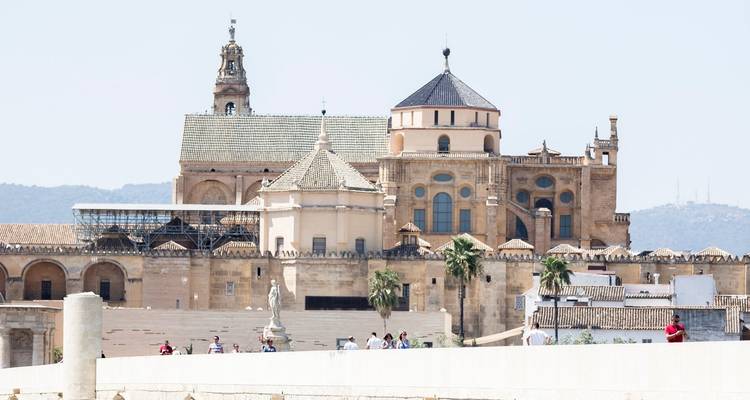
7-Day Tour to Andalusia and Mediterranean Coast with Barcelona
7 Days • Experience
From EUR1,815
Map View
Explore Palma on the map
Palma
The map is centred on Palma.
Why travel to Palma?
Palma suits a range of trip styles. History enthusiasts can explore its medieval architecture, while beach lovers head to nearby sands like Playa de Palma. Food‑focused visitors find local specialties such as ensaimada and sobrassada in markets and restaurants. Families and leisure travelers benefit from easy public transport and a compact city layout that blends cultural sites with coastal recreation.
Palma travel blogs
Stories and guides connected to Palma and the surrounding destination.
What should you know before visiting Spain? Complete country guide
Spain welcomes visitors with diverse regions, a Mediterranean climate and a relaxed pace, but a few basics make the trip...
What are the hidden gems of Spain? Secret towns, coasts and culture
Spain’s hidden gems are the lesser‑known towns, coastal villages and natural parks that lie off the main tourist trail....
Is Spain safe for travellers? What you need to know
Yes, Spain is safe for travellers, ranking among the most secure European destinations. Crime is low in major cities, an...
What is a good itinerary for Spain? A 10‑Day Classic Route
A ten‑day itinerary that strings together Madrid, Toledo, Córdoba, Seville, Granada, Valencia and Barcelona offers a wel...
What is the Best Time to Visit Spain? A Complete Seasonal Overview
The best time to visit Spain is late spring (May‑June) and early autumn (September‑October). These shoulder‑season windo...
How many days are enough to visit Spain? Your guide to the perfect itinerary
A ten‑to‑fourteen‑day itinerary gives most travelers a satisfying mix of city, culture and coastline. Ten days let you h...
More in Spain
Browse more city pages across Spain.