 Lilshira


Discover Pokhara, Nepal
A lakeside gateway to the Himalayas, offering stunning views, adventure, and cultural charm.
24°C / 75°F
Sunny in Pokhara
Peak Season
High visitor demand
Pokhara at a glance
Pokhara, nestled beside the tranquil Phewa Lake in central Nepal, is renowned for its panoramic backdrop of the Annapurna mountain range. The city blends natural beauty with a relaxed lakeside atmosphere, making it a focal point for trekking, water sports, and cultural experiences. Its clear skies and accessible location have turned Pokhara into a premier destination for both domestic and international travelers seeking authentic Himalayan scenery.

Things to Do in Pokhara
Curated experiences led by local experts.
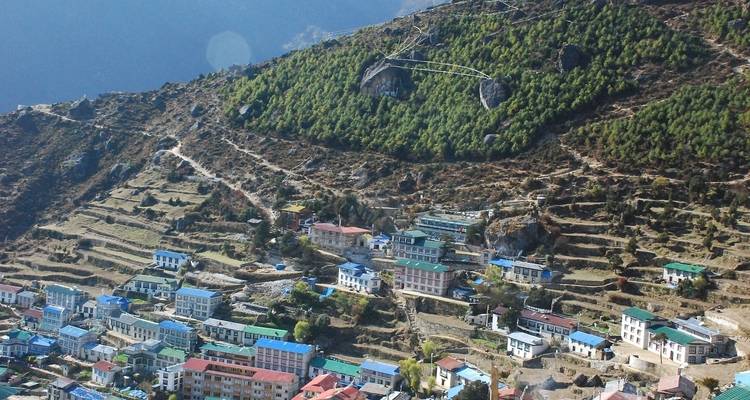
Everest High Passes & Island Peak – 25‑Day Trek in Nepal
25 Days • Experience
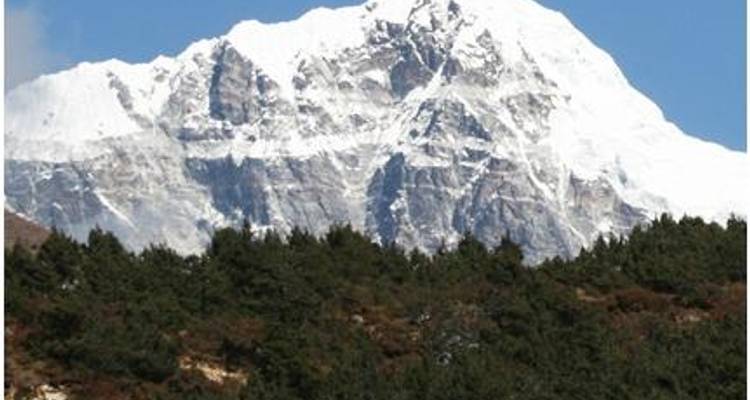
26‑Day Jiri to Everest Base Camp Trek – Himalayan Hiking Experience
26 Days • Experience
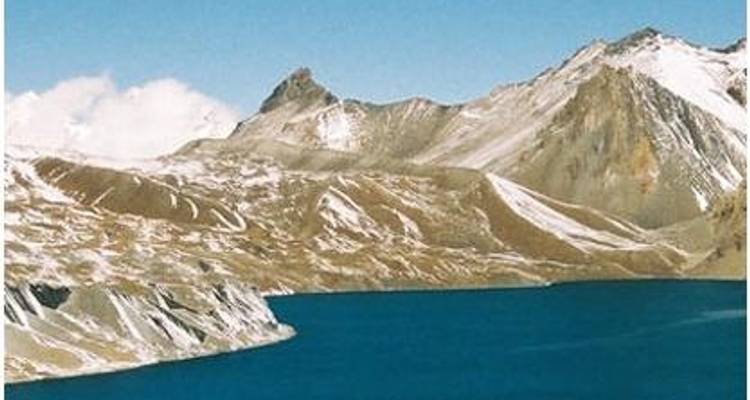
Explore Tilicho Lake & Thorung La Pass on a 21‑Day Himalayan Trek
21 Days • Experience
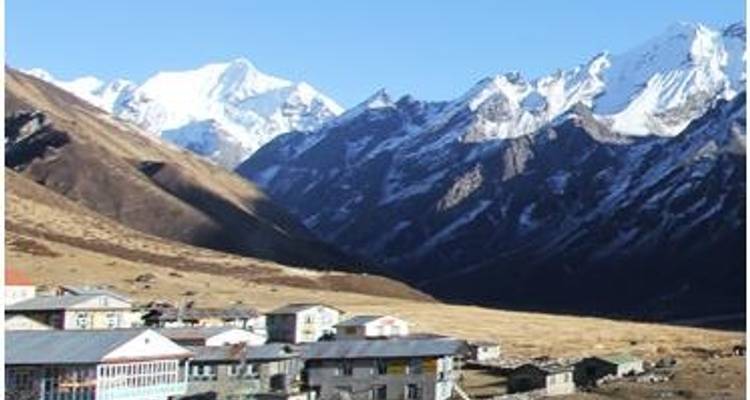
Langtang‑Helambu 19‑Day Trek from Kathmandu
19 Days • Experience
Map View
Explore Pokhara on the map
Pokhara
The map is centred on Pokhara.
Why travel to Pokhara?
Pokhara is ideal for nature‑focused itineraries, adventure holidays, and trekking expeditions. Visitors can base themselves here before tackling the Annapurna Base Camp or Circuit routes, enjoy paragliding over the lake, or simply unwind at lakeside cafés. Whether you crave high‑altitude hikes, water‑based recreation, or peaceful mountain vistas, Pokhara provides a versatile platform for a wide range of travel styles.
Pokhara travel blogs
Stories and guides connected to Pokhara and the surrounding destination.
What are the hidden gems of Nepal? A guide to secret spots
Nepal’s hidden gems include the tranquil village of Tansen in Palpa, the alpine Tilicho Lake, the rock‑cut monasteries o...
What is a good itinerary for Nepal? A 10‑Day Adventure
A solid 10‑day itinerary for Nepal blends Kathmandu’s heritage, Pokhara’s lakeside charm, a short trek in the Annapurna...
How many days are enough to visit Nepal? Find the ideal itinerary
A week to ten days is enough to visit Nepal for most first‑time travelers. Seven to ten days lets you explore Kathmandu’...
What Should You Know Before Visiting Nepal – Essential Tips
The key things to know before visiting Nepal are the optimal travel window, visa requirements, altitude precautions, tra...
Is Nepal Safe for Travellers? A Practical Safety Guide
Yes, Nepal is generally safe for travellers, with low crime rates and a welcoming culture. Most visitors experience trou...
What is the Best Time to Visit Nepal? A Complete Seasonal Overview
The best time to visit Nepal is from late September to early November, and from late February to early May. These two wi...
More in Nepal
Browse more city pages across Nepal.
