 Lilshira


Discover Ramat Gan
A vibrant city blending business, culture, and green spaces just east of Tel Aviv.
24°C / 75°F
Sunny in Ramat Gan
Peak Season
High visitor demand
Ramat Gan at a glance
Ramat Gan, located in Israel just east of Tel Aviv, is known for its dynamic mix of commerce and leisure. The city hosts the world‑renowned Diamond Exchange District, expansive green areas such as Ramat Gan National Park, and cultural venues like the Museum of Israeli Art, offering visitors a blend of modern industry and outdoor recreation.

Things to Do in Ramat Gan
Curated experiences led by local experts.
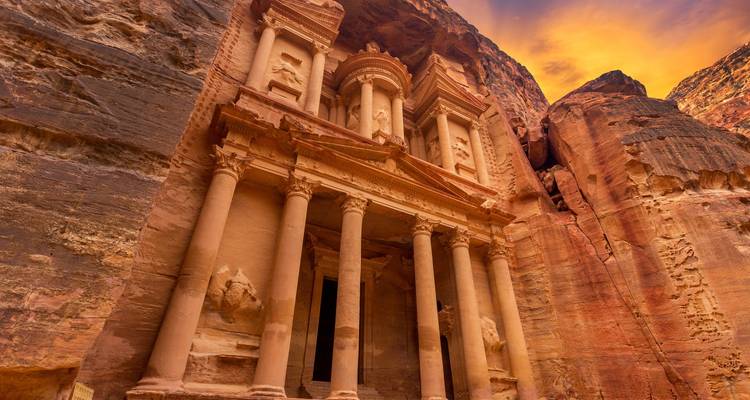
Petra & Wadi Rum, 3 Days from Eilat
3 Days • Experience
From EUR359
Petra & Wadi Rum, 3 Days from Eilat
3 Days • Experience
From EUR359

3 Day Best of Israel Tour Package
3 Days • Experience
From EUR679
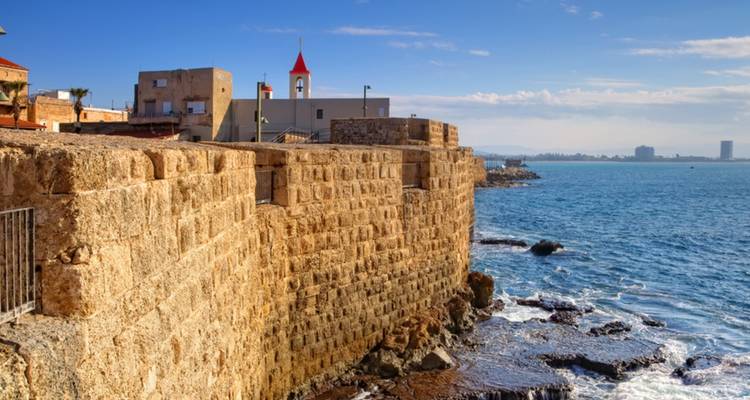
8 Day Best of Israel Tour Package
8 Days • Experience
From EUR1,619
Map View
Explore Ramat Gan on the map
Ramat Gan
The map is centred on Ramat Gan.
Why travel to Ramat Gan?
Ramat Gan suits a range of travelers: business visitors appreciate the proximity to the Diamond Exchange and conference facilities; cultural tourists enjoy museums and parks; families find the national park and family‑friendly attractions appealing; and day‑trippers from Tel Aviv benefit from easy transport links for a quick urban escape.
Ramat Gan travel blogs
Stories and guides connected to Ramat Gan and the surrounding destination.
What Should You Know Before Visiting Israel – Complete Country Guide
Before you set foot in Israel, check visa requirements, plan for a Mediterranean climate, and decide on transport and bu...
What are the hidden gems of Israel? A guide to secret spots
Israel’s hidden gems include the desert oasis of Ein Avdat, the historic village of Ein Hod, the volcanic landscape of t...
Is Israel Safe for Travellers? What You Need to Know
Yes, Israel is safe for most travellers when you follow current guidelines and stay informed. The country’s security inf...
What is a Good Itinerary for Israel? A 7‑Day Overview
A solid Israel itinerary spans seven days, letting you experience the country’s historic core, vibrant coast and strikin...
What is the Best Time to Visit Israel? A Complete Seasonal Overview
The best time to visit Israel is during the shoulder seasons of April‑May and September‑October. During these months tem...
How many days are enough to visit Israel? Expert itinerary advice
A ten‑day trip strikes the best balance for most visitors. It allows you to explore the major historical sites, enjoy co...
More in Israel
Browse more city pages across Israel.


