 Lilshira


Explore Selebi-Phikwe, Botswana
A mining town offering wildlife, culture, and outdoor adventure.
24°C / 75°F
Sunny in Selebi-Phikwe
Peak Season
High visitor demand
Selebi-Phikwe at a glance
Selebi-Phikwe is a small town in eastern Botswana, home to roughly 30,000 residents. Established around copper‑nickel mining, the town blends industrial history with access to the semi‑arid landscape of the Tswapong Hills. Visitors experience warm to hot days, mild evenings, and most rain between November and March, while the dry winter months provide the most comfortable conditions for exploring.

Things to Do in Selebi-Phikwe
Curated experiences led by local experts.

12‑Day Botswana & Victoria Falls Explorer – Wildlife, Jeep Safaris & Falls
12 Days • Experience
From EUR3,758

Botswana: Kwai,Moremi Game Reserve,Savuti and Chobe National Park 09Days/08Nights
9 Days • Experience
From EUR1,801
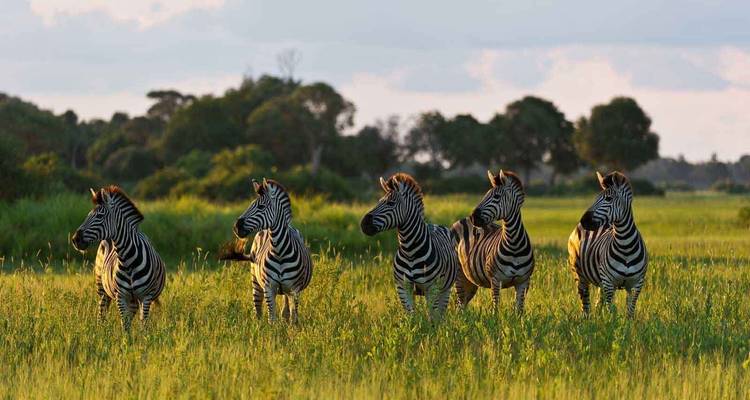
7-Day Okavango Delta, Moremi, and Savuti
7 Days • Experience
From EUR2,512

Chobe & Okavango Delta 8Days/7Nights
3 Days • Experience
From EUR7,012
Map View
Explore Selebi-Phikwe on the map
Selebi-Phikwe
The map is centred on Selebi-Phikwe.
Why travel to Selebi-Phikwe?
The town suits travelers seeking a mix of industrial heritage and outdoor experiences. Day‑trippers can explore mining museums, nearby dams, and the foothills for hiking, while longer stays allow visits to wildlife reserves within a few hours' drive. Its quiet pace makes it ideal for a short cultural stopover or a base for adventure tours in eastern Botswana.
Selebi-Phikwe travel blogs
Stories and guides connected to Selebi-Phikwe and the surrounding destination.
What Should You Know Before Visiting Botswana – Complete Country Guide
Before you set foot in Botswana, secure a visa if required, choose the dry season (May to October) for wildlife viewing,...
What are the hidden gems of Botswana? A guide to off‑beat wonders
Botswana’s hidden gems include the Makgadikgadi Salt Pans, Nxai Pan, Khutse Game Reserve, the lesser‑known channels of C...
Is Botswana Safe for Travellers? What You Need to Know
Yes, Botswana is considered safe for most travellers. Crime rates in tourist areas such as the North‑East (Kasane) and t...
What is a Good Itinerary for Botswana? A 10‑Day Classic Route
A solid 10‑day itinerary starts in Maun, explores the Okavango Delta, then Chobe, and ends in Kasane for a final game dr...
What is the best time to visit Botswana? Guide for wildlife lovers
The optimal time to visit Botswana is during the dry season, from early June through late October. During these months w...
How many days are enough to visit Botswana? Your itinerary guide
Ten days is generally enough to experience Botswana’s flagship wildlife areas without feeling rushed. Most first‑time vi...
More in Botswana
Browse more city pages across Botswana.