 Lilshira


Explore Semarang, Indonesia
Discover the historic port city's culture, cuisine, and coastal charm.
24°C / 75°F
Sunny in Semarang
Peak Season
High visitor demand
Semarang at a glance
Semarang, a bustling port city on Java’s north coast, blends colonial heritage with vibrant local traditions. Its iconic Lawang Sewu building, historic blend of Chinese temples, and lively waterfront showcase a unique mix of architecture, history, and seaside atmosphere that sets it apart from other Indonesian destinations.

Things to Do in Semarang
Curated experiences led by local experts.
10‑Day Sumatra Adventure: Mountains, Culture & Night Markets
10 Days • Experience
From EUR1,016

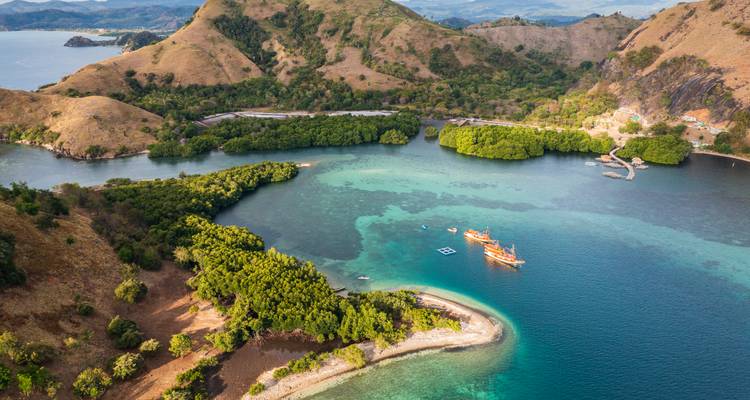
5‑Day Komodo Kayak Adventure from Labuan Bajo
5 Days • Experience
From EUR1,507

Great Creatures: Orangutans & Komodo Dragons – 13‑Day Indonesian Explorer
13 Days • Experience
From USD4,200
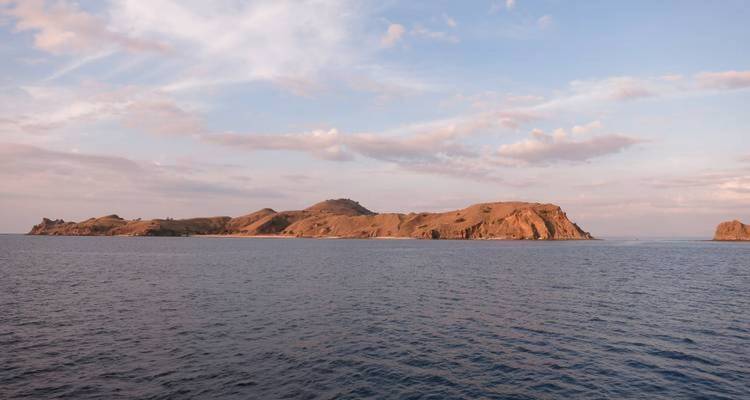
6-Day Komodo Kayak Insight from Bali
6 Days • Experience
From USD1,304
Map View
Explore Semarang on the map
Semarang
The map is centred on Semarang.
Why travel to Semarang?
The city is ideal for cultural explorers, food lovers, and families seeking a mix of history and seaside relaxation. Visitors can wander heritage streets, sample signature dishes like Lumpia Semarang, and enjoy relaxed beach walks, making Semarang a well‑rounded stop for short city breaks or longer regional tours.
Semarang travel blogs
Stories and guides connected to Semarang and the surrounding destination.
What Should You Know Before Visiting Indonesia – A Complete Guide
Before you travel to Indonesia, know that a tourist visa is required for most nationalities, the dry season (May‑October...
What are the hidden gems of Indonesia? Uncover Secret Destinations
Indonesia’s hidden gems are its lesser‑known islands, jungle villages, volcanic lakes, and coastal cliffs that most tour...
Is Indonesia Safe for Travellers? What You Need to Know
Yes, Indonesia is safe for travellers who follow basic precautions. Most visits run smoothly, with petty crime limited t...
What is a good itinerary for Indonesia? A balanced 10‑14‑day plan
A good itinerary for Indonesia balances culture, nature and beach time across 10‑14 days, starting in Bali, then Yogyaka...
What is the Best Time to Visit Indonesia? A Complete Guide
The best time to visit Indonesia is during the dry season, roughly May through September. This five‑month window offers...
How many days are enough to visit Indonesia? Find the ideal length
A minimum of 10 days is generally enough for a balanced Indonesian experience. Seven days can work if you limit yourself...
More in Indonesia
Browse more city pages across Indonesia.
