 Lilshira


Discover Suez, Egypt
A gateway city at the southern entrance of the Suez Canal offering historic sites and waterfront views.
24°C / 75°F
Sunny in Suez
Peak Season
High visitor demand
Suez at a glance
Suez, a major Egyptian port city with an estimated population of around 750,000, sits at the southern end of the Suez Canal. The climate is hot desert, featuring very warm summers and milder winters, making the cooler months more comfortable for visitors. Its strategic location at the canal’s entrance gives the city a unique maritime character that distinguishes it from other destinations in Egypt.


Things to Do in Suez
Curated experiences led by local experts.

Egypt Highlights – 14‑Day Guided Tour of Pyramids, Temples & Red Sea
14 Days • Experience
From EUR1,580
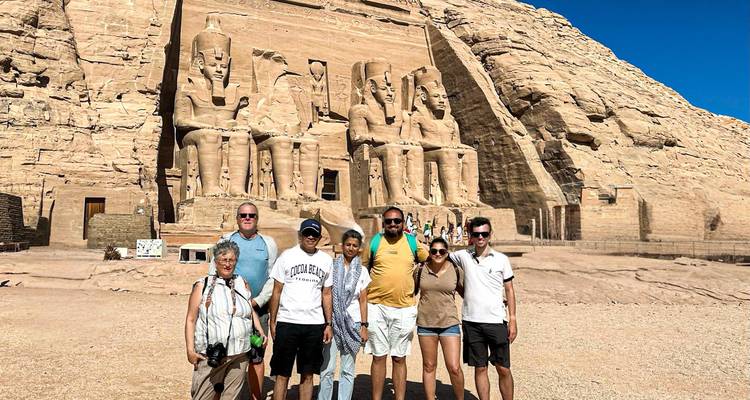
Explore Cairo, Alexandria & a 5‑Star Nile Cruise on an 8‑Day Journey
8 Days • Experience
From EUR578

Nile Jewel 5‑Star Cruise – 9‑Day Egyptian River Adventure
9 Days • Experience
From EUR628

9‑Day Nile Felucca Adventure from Cairo
9 Days • Experience
From USD623
Map View
Explore Suez on the map
Suez
The map is centred on Suez.
Why travel to Suez?
The city is well suited for travelers interested in maritime history, industrial tourism, and short cultural getaways. Visitors can explore the canal, museums, and historic port areas, making Suez an appealing stop for history enthusiasts, business travelers, and those seeking a concise yet insightful Egyptian experience.
Suez travel blogs
Stories and guides connected to Suez and the surrounding destination.

What should you know before visiting Egypt? A quick country guide
Before you set foot in Egypt, sort your visa, pack for hot days and cool evenings, and plan a realistic itinerary. Most...
What are the hidden gems of Egypt? Discover the lesser‑known wonders
The hidden gems of Egypt are quiet desert oases, secluded Nubian villages, and untouched Red Sea bays that lie far from...
Is Egypt Safe for Travellers? A Complete Safety Overview
Yes, Egypt is considered safe for most travellers who stick to well‑touristed areas and respect local customs. The count...
What is a good itinerary for Egypt? A 7‑Day Classic Route
A solid 7‑day itinerary lets you see Cairo, Luxor, Aswan and enjoy a short Nile cruise, delivering the country’s iconic...
What is the Best Time to Visit Egypt? A Complete Seasonal Overview
The best time to visit Egypt is from late October through early April. During these months temperatures stay between 20°...
How many days are enough to visit Egypt? Your complete guide
A ten‑day itinerary hits the highlights without feeling rushed. Most first‑time visitors find 9‑12 days ideal because it...
More in Egypt
Browse more city pages across Egypt.


