 Lilshira


Explore Thun, Switzerland
Discover Thun’s lakeside charm, historic sites, and Alpine backdrop.
24°C / 75°F
Sunny in Thun
Peak Season
High visitor demand
Thun at a glance
Thun sits at the northern tip of Lake Thun in the Bernese Oberland, offering a blend of medieval architecture and mountain scenery. The city’s compact old town, dominated by Thun Castle, provides a clear sense of Swiss heritage while the surrounding lake and foothills invite outdoor recreation. Its central location makes it a convenient gateway to both lake cruises and nearby Alpine passes.

Things to Do in Thun
Curated experiences led by local experts.
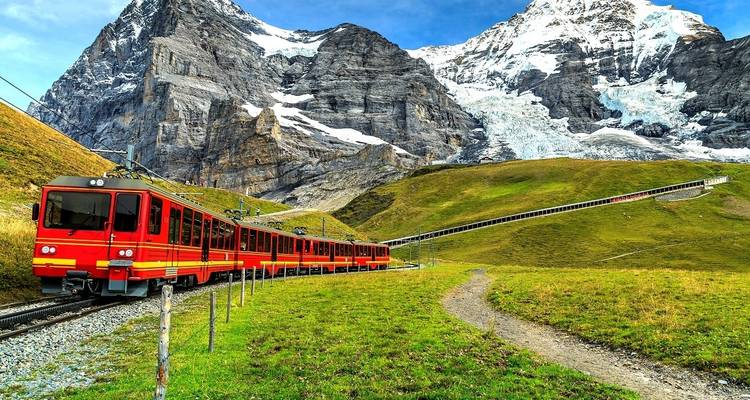
Alpine Wonders & Italian Canals - 10-Day Switzerland & Italy Holiday
10 Days • Experience
From EUR2,346

6 Days Trip to Switzerland
6 Days • Experience
From EUR1,408
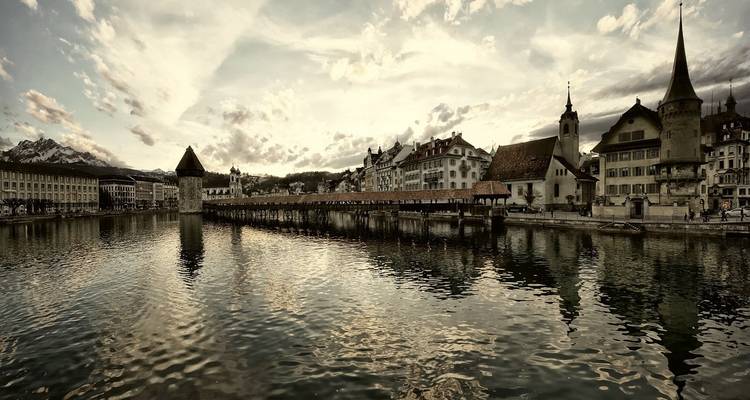
8 Days Switzerland Tour (Zermatt, Interlaken, Lucerne and Zurich)
8 Days • Experience
From EUR2,054

Switzerland and Italy with Amalfi Coast
15 Days • Experience
From EUR3,441
Map View
Explore Thun on the map
Thun
The map is centred on Thun.
Why travel to Thun?
Thun is well suited for travelers seeking a mix of cultural exploration and nature‑based activities. Day‑trippers can enjoy historic walking tours, museum visits, and lakeside dining, while hikers and cyclists use the city as a base for routes into the surrounding hills. The proximity to winter resorts also makes it a practical stop for ski‑season itineraries.
Thun travel blogs
Stories and guides connected to Thun and the surrounding destination.
What Should You Know Before Visiting Switzerland – A Complete Country Guide
Switzerland blends dramatic Alpine scenery, punctual public transport, and a high cost of living, so plan for a mid‑rang...
What are the hidden gems of Switzerland? A local’s guide
Switzerland’s hidden gems are the tranquil Lauterbrunnen valley, the pastel‑colored town of Appenzell, the crystal‑clear...
Is Switzerland safe for travellers? Everything you need to know
Yes, Switzerland is safe for travellers, with low crime rates and reliable public services. Most visitors experience a c...
What is a good itinerary for Switzerland? A 7‑Day Classic Route
A solid itinerary for Switzerland is a 7‑day loop from Zurich to the Bernese Oberland, then to Lucerne and back. It bala...
What is the best time to visit Switzerland? A seasonal guide
The best time to visit Switzerland is from mid‑June to early September. During these months the weather is generally war...
How many days are enough to visit Switzerland? Find the perfect itinerary
A ten‑day itinerary hits the highlights without feeling rushed. Most seasoned travelers recommend 9‑12 days to explore m...
More in Switzerland
Browse more city pages across Switzerland.