 Lilshira


Ulan Bator, Mongolia
Mongolia’s capital blends history, culture, and steppe scenery in a single vibrant city.
24°C / 75°F
Sunny in Ulan Bator
Peak Season
High visitor demand
Ulan Bator at a glance
Ulan Bator, the political and cultural heart of Mongolia, hosts roughly 1.5 million residents. Set at 1,350 m elevation, the city experiences a continental climate with long, cold winters and short, mild summers. Travelers find the most comfortable conditions between June and September, when temperatures are moderate and outdoor activities are readily accessible.

Things to Do in Ulan Bator
Curated experiences led by local experts.
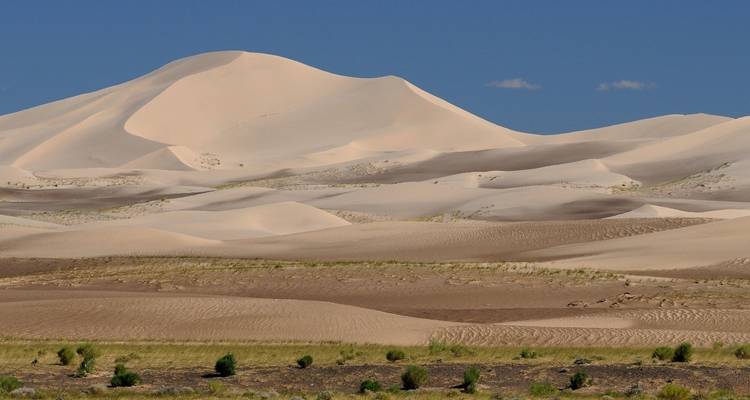
Naadam Festival & Gobi Desert Adventure – 8‑Day Cultural Journey
8 Days • Experience
From USD1,950

Steppe Heritage - 4 Days
4 Days • Experience
From EUR796

Full Gobi Mongolian 7 Days Tour
7 Days • Experience
From EUR1,016

Gobi to Tundra: 22 Days Tour
22 Days • Experience
From EUR2,967
Map View
Explore Ulan Bator on the map
Ulan Bator
The map is centred on Ulan Bator.
Why travel to Ulan Bator?
The city suits cultural explorers seeking museums, monasteries, and historic architecture, as well as adventure travelers who use Ulan Bator as a gateway to the surrounding steppe, Gobi desert, and mountain treks. Winter visitors can experience traditional festivals and the stark beauty of the snowy landscape, while summer guests enjoy festivals, open‑air markets, and easy access to nearby natural attractions.
Ulan Bator travel blogs
Stories and guides connected to Ulan Bator and the surrounding destination.
What should you know before visiting Mongolia? – a complete country guide
You should know that Mongolia requires a visa for most travelers, has a short summer travel window, and offers a rugged,...
What are the hidden gems of Mongolia? Explore six untouched wonders
Mongolia’s hidden gems are Khustain Nuruu National Park, Khar Lake, the Orkhon Valley, Tsenkher Hot Springs, the Uvs Nuu...
Is Mongolia Safe for Travellers? What You Need to Know
Yes, Mongolia is considered safe for most travellers. Crime rates are low, especially in urban centres like Ulaanbaatar,...
What is a good itinerary for Mongolia? A 10‑12‑Day Guide
A good itinerary for Mongolia spans 10‑12 days, linking Ulaanbaatar, the Gobi Desert and the central steppe. This length...
What is the best time to visit Mongolia? Your seasonal guide
Visiting Mongolia is at its finest from late June through early September. This window offers mild daytime temperatures,...
How many days are enough to visit Mongolia? Find the ideal length
A week to ten days is generally enough to visit Mongolia. Seven to ten days let you explore Ulaanbaatar, the Gobi Desert...
More in Mongolia
Browse more city pages across Mongolia.