 Lilshira


Ura, Bhutan
A peaceful village nestled in Bhutan’s central valleys, offering authentic cultural experiences.
24°C / 75°F
Sunny in Ura
Peak Season
High visitor demand
Ura at a glance
Ura is a small settlement in central Bhutan, home to a modest population estimated at a few hundred residents. The village experiences a temperate climate with cool winters and warm summers. Although the current travel inventory lists no hotels, restaurants, or shops, Ura is noted for its traditional architecture, surrounding landscapes, and cultural heritage that set it apart within the country.

Things to Do in Ura
Curated experiences led by local experts.

Bhutan Cultural Tour – 9‑Day In‑Depth Journey from Kathmandu
9 Days • Experience
From USD2,095

14‑Day Bhutan, Nepal & Tibet Cultural Journey – Paro to Lhasa
14 Days • Experience
From USD6,999

Discover Bhutan’s Last Shangri‑La on a 7‑Day Family Trek
7 Days • Experience
From USD1,920
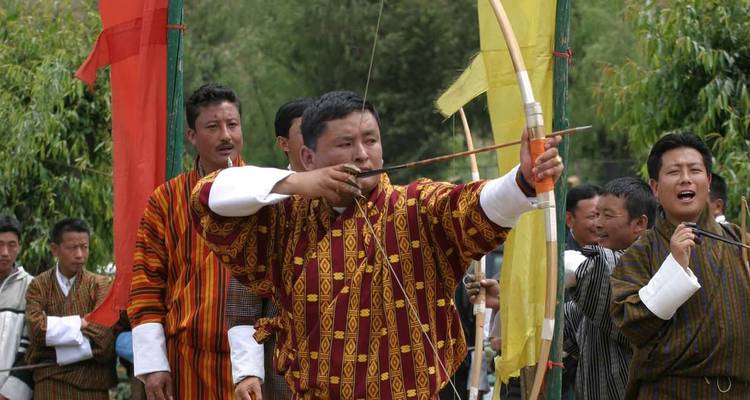
9 Days Authentic Bhutan Tour By Local Guides
9 Days • Experience
From EUR1,708
Map View
Explore Ura on the map
Ura
The map is centred on Ura.
Why travel to Ura?
Ura is ideal for travelers seeking quiet immersion in Bhutanese culture, opportunities for trekking in nearby hills, and visits to historic monasteries. The village’s serene atmosphere makes it a fitting base for low‑key itineraries focused on nature, heritage, and authentic village life rather than bustling nightlife or extensive commercial amenities.
Ura travel blogs
Stories and guides connected to Ura and the surrounding destination.
What are the hidden gems of Bhutan? Uncover valleys and monasteries
Bhutan’s hidden gems include the tranquil Phobjikha Valley, the cliff‑side side trails of Punakha Dzong, the remote Haa...
What is a good itinerary for Bhutan? A Practical 7‑Day Guide
A good itinerary for Bhutan spans 7 days, covering the cultural heartland, mountain vistas and a taste of local life. Sp...
What is the Best Time to Visit Bhutan? Complete Seasonal Guide
The best time to visit Bhutan is from late September to early December, when the weather is clear and festivals abound....
What Should You Know Before Visiting Bhutan? Complete Country Guide
You should know that Bhutan requires a pre‑approved visa, a daily tourism tariff, and a guided itinerary for most travel...
Is Bhutan Safe for Travellers? What You Need to Know
Bhutan is generally safe for travellers, with low crime rates and a stable political climate. Most visitors experience o...
How many days are enough to visit Bhutan? A practical guide
A week to ten days is generally enough to explore Bhutan comfortably. This span lets you visit the iconic monasteries, e...
More in Bhutan
Browse more city pages across Bhutan.