Discover Valladolid, Spain

A historic city in north‑central Spain known for its architecture, museums, and vibrant culture.

explore
wb_sunny

24°C / 75°F

Sunny in Valladolid

trending_up

Peak Season

High visitor demand

Valladolid at a glance

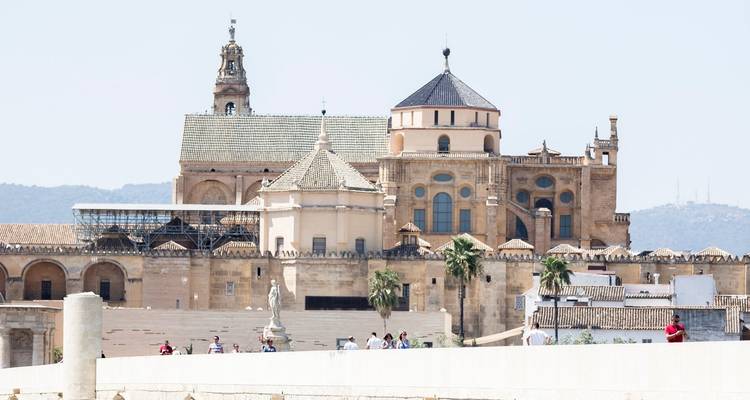
Valladolid is a city in the autonomous community of Castile and León, Spain. It serves as a regional hub with a population of roughly 300,000 residents. The city blends Renaissance architecture with modern amenities, offering visitors a clear view of Spain’s historical evolution. Its central location makes it accessible from major Spanish transport corridors, positioning it as a convenient base for exploring the broader region.

palette Culture & Art
restaurant_menu Culinary Heritage
Valladolid View
Valladolid Landmark
Valladolid Street

Things to Do in Valladolid

Curated experiences led by local experts.

View All Activities arrow_forward

Map View

Explore Valladolid on the map

open_in_new Open in Google Maps
place

Valladolid

The map is centred on Valladolid.

41.655, -4.724

Why travel to Valladolid?

Valladolid is well suited for cultural and historical trips, as well as culinary excursions. Travelers interested in museums, historic plazas, and traditional Castilian dishes will find a focused itinerary. The city’s festivals and film events add a contemporary layer, making it attractive for visitors who appreciate both heritage and modern cultural expressions.

palette Culture & Art
restaurant_menu Culinary Heritage
Valladolid View
Valladolid Landmark
Valladolid Street

Valladolid travel blogs

Stories and guides connected to Valladolid and the surrounding destination.

More in Spain

Browse more city pages across Spain.

Frequently Asked Questions

When is the ideal time to visit Valladolid?

expand_more
The most favorable months to visit Valladolid are April through May and September through October. During these periods the weather is mild, daylight hours are ample, and the city hosts several cultural events. Visiting in spring or early autumn also helps avoid the peak summer heat and the larger tourist crowds that arrive later in the season.

What is the climate like throughout the year in Valladolid?

expand_more
Valladolid experiences a continental Mediterranean climate. Summers are warm to hot, with daytime temperatures often reaching the high 20s to low 30s °C. Winters are cool, and nighttime temperatures can drop near freezing. Spring and autumn provide moderate temperatures and lower rainfall, making them the most comfortable seasons for outdoor activities and sightseeing.

How many days are recommended to explore Valladolid?

expand_more
A stay of three to four days allows most visitors to cover the main attractions, including historic sites, museums, and local markets, while also leaving time for a relaxed dining experience. This duration provides flexibility to attend a cultural event or take a short day trip to nearby towns without feeling rushed.

Do I need to book tickets in advance for major attractions?

expand_more
For popular sites such as the National Sculpture Museum and the Cathedral of Valladolid, advance reservations are advisable during peak travel periods, especially in spring and early autumn. Booking online can reduce waiting time and guarantee entry, while smaller venues often accept walk‑in visitors without prior arrangements.

What are the must‑see historical sites in Valladolid?

expand_more
Key historic landmarks include the Cathedral of Valladolid, a late‑Gothic structure with a prominent tower; Plaza Mayor, the central square surrounded by arcaded buildings; Casa de Zorrilla, the birthplace of poet José Zorrilla; and the Royal Palace of Valladolid, which once served as a royal residence. Each site reflects a distinct period of the city’s architectural development.

Which museums are recommended for a cultural visit?

expand_more
Visitors should consider the National Sculpture Museum, which houses an extensive collection of Spanish sculpture from the 13th to the 19th century, and the Museum of Fine Arts, featuring works by local and national artists. The Casa de Cervantes offers insight into the life of the famed writer, while smaller galleries showcase contemporary art and regional crafts.

Are there any notable festivals or events in Valladolid?

expand_more
Valladolid hosts several well‑known events, including the Holy Week processions that feature elaborate pasos, and the Valladolid International Film Festival (Seminci) held each autumn, which attracts filmmakers and critics. The city also celebrates the Festival of San Juan with traditional music and fireworks, providing a lively cultural experience for visitors.

What local dishes should I try in Valladolid?

expand_more
Signature dishes include lechazo asado (roast lamb), a staple of Castilian cuisine, and morcilla de Valladolid, a type of blood sausage seasoned with rice and spices. Tapas such as tortilla española and local cheeses are widely served, and the region’s wines, especially those from nearby Ribera del Duero, complement the meals.

Where can I find traditional tapas and local markets?

expand_more
The Mercado del Val is a historic market where vendors sell fresh produce, cured meats, and regional specialties. For tapas, the streets surrounding Plaza Mayor host numerous bars offering small plates and local wines. These venues provide an authentic taste of Valladolid’s culinary traditions in a lively setting.

How can I travel to Valladolid by train or plane?

expand_more
Valladolid is linked to Madrid by high‑speed AVE trains, with journeys lasting about an hour, making rail travel a convenient option. The city also has an airport, Valladolid Airport (VLL), which offers domestic flights to major Spanish cities such as Barcelona and Seville. Travelers can combine train and air connections depending on their itinerary.