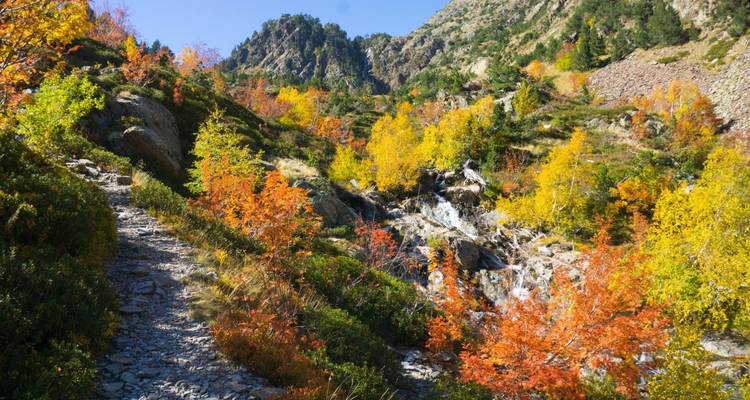
Andorra Coast

Andorra Travel Guide

Discover Andorra’s mountains, culture, and practical travel details in one concise guide.

1 Tours
6 Guides
20 Cities
payments

Currency

Euro (EUR)

translate

Language

Catalan

groups

Population

Approximately 77,000

passport

Visa

Schengen visa required for most non‑EU visitors; EU/EEA citizens enter with ID

security

Safety

Low crime rate, considered safe for travelers

savings

Travel Cost

Moderate to high; prices higher than many neighboring regions

wb_sunny

Best Visit

Winter (Dec‑Feb) for skiing and summer (Jun‑Sep) for hiking

Andorra at a glance

Andorra is a small Alpine nation known for its mountainous terrain, official language Catalan, and use of the Euro. With a population of around 77,000, it offers a safe environment and a climate that supports winter sports and summer trekking. Its strategic location between France and Spain makes it a unique blend of cultures and a convenient destination for European travelers.

Andorra view Andorra view

Map View

Explore Andorra on the map

Centered on the country’s main cities and scaled to keep the full destination in view.

place 20 Attractions public Google Maps style
search
Search area
Andorra
Country location
Andorra
Centred from 20 city points.
open_in_new Open in Google Maps

Andorra travel overview

The country is ideal for trips focused on outdoor activities such as skiing in winter and hiking in summer, thanks to its Alpine climate and well‑maintained trails. Visitors also enjoy duty‑free shopping in its capital, Andorra la Vella, and the surrounding towns, making it suitable for both adventure seekers and those looking for a relaxed mountain getaway.

Andorra view Andorra view

Essential Travel Tips

Book Early

Popular routes and hotels fill quickly in peak season.

Mix Transport

Use trains between cities and local transit inside centers.

Stay Central

Base yourself near a walkable area to save time.

Cash Ready

Some small vendors still prefer cash for smaller purchases.

Pack Smart

Comfortable shoes matter more than anything else.

Frequently Asked Questions

What is the best time of year to visit Andorra for outdoor activities? expand_more
Andorra offers two peak seasons for outdoor pursuits. Winter, from December to February, provides reliable snow for skiing and snowboarding across its resorts. Summer, from June to September, brings milder temperatures ideal for hiking, mountain biking, and exploring the valleys. Choosing the season depends on whether you prefer snow sports or warm‑weather mountain activities.
Do I need a visa to travel to Andorra? expand_more
Andorra itself does not issue visas, but it is surrounded by Schengen countries. Most non‑EU travelers must hold a valid Schengen visa to enter France or Spain before crossing into Andorra. Citizens of EU, EEA, and several other countries can enter Andorra with a national ID card or passport without a separate visa.
Which language is spoken in Andorra and will I be understood with English? expand_more
The official language of Andorra is Catalan. Spanish, French, and Portuguese are also commonly heard, especially in commercial areas. While English is not an official language, many people working in tourism, hotels, and retail understand and communicate in English, making basic interactions possible for English‑speaking visitors.
What currency is used in Andorra and can I use credit cards? expand_more
Andorra uses the Euro (EUR) as its official currency. Credit and debit cards are widely accepted in hotels, restaurants, shops, and larger establishments throughout the country. ATMs are available in major towns, and cash can be withdrawn in euros if needed.
How safe is Andorra for solo travelers? expand_more
Andorra is regarded as a low‑crime destination with a strong reputation for safety. Police presence is visible in urban areas and tourist spots, and violent crime rates are minimal. Solo travelers typically experience a secure environment, though standard precautions such as securing belongings and staying aware of surroundings are always advisable.
What are the main cities to stay in while visiting Andorra? expand_more
Key cities for accommodation include Andorra la Vella, the capital and commercial hub; les Escaldes‑Engordany, known for its spa facilities; Encamp, a gateway to ski areas; Sant Julià de Lòria, near the Spanish border; and La Massana, popular for its proximity to mountain activities. These towns provide a range of lodging options and easy access to attractions.
How can I travel between Andorra’s cities? expand_more
Travel between Andorra’s towns is primarily by road. A network of well‑maintained highways connects the major cities, and private cars or rental vehicles are common choices. Additionally, a regular inter‑city bus service operates throughout the day, offering an affordable alternative for moving between locations without a personal vehicle.
Are there public transport options within Andorra? expand_more
Yes, Andorra operates a public bus system that links most towns and villages, including the capital and ski resorts. Buses run frequently during peak tourist seasons and provide a convenient way to travel without a car. Ticket prices are modest, and schedules are available at bus stops and online.
What is the typical daily budget for a traveler in Andorra? expand_more
Travel costs in Andorra are moderate to high. A typical daily budget for a mid‑range traveler ranges from €100 to €150, covering accommodation, meals, local transport, and entry fees for attractions. Budget travelers can reduce expenses by staying in hostels or guesthouses, cooking some meals, and using the public bus network.
What are the entry requirements for EU citizens visiting Andorra? expand_more
EU citizens do not need a visa to enter Andorra. They can cross the border from France or Spain using a valid national ID card or passport. Because Andorra is not part of the Schengen Area, travelers must first enter a Schengen country before proceeding to Andorra, but no additional paperwork is required.