Burundi Coast

Explore Burundi

Discover Burundi’s culture, cities, and travel essentials in one concise guide.

1 Tours
6 Guides
20 Cities
payments

Currency

Burundian franc (BIF)

translate

Language

Kirundi, French, Swahili

groups

Population

≈12 million

passport

Visa

Required; obtainable online or on arrival for many nationals

security

Safety

Travel advisory recommends caution due to occasional unrest

savings

Travel Cost

Low

wb_sunny

Best Visit

May – September (dry season)

Burundi at a glance

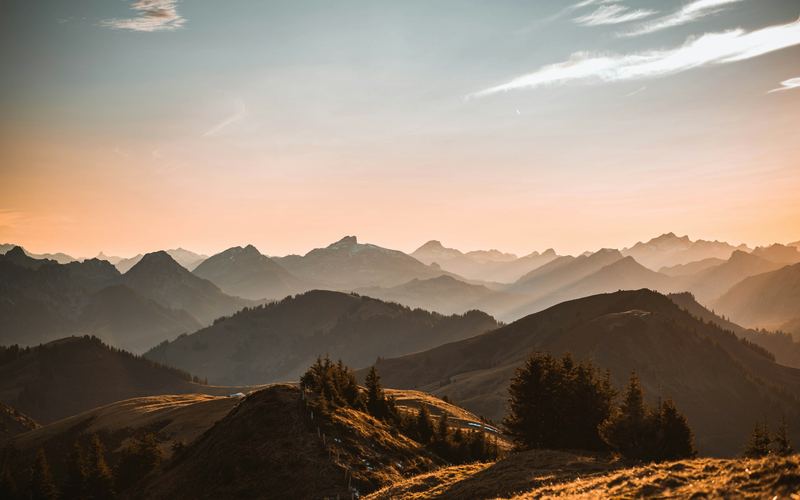
Burundi, a landlocked nation in East Africa, offers a blend of cultural richness and natural scenery. Visitors encounter Kirundi, French, and Swahili as the main languages, and the Burundian franc as the local currency. With a population of roughly twelve million, the country operates on Central Africa Time (UTC+2). The climate is tropical highland, featuring a dry season from May to September, which is also the most favorable period for travel. Safety advisories suggest staying informed about local conditions, especially in areas prone to occasional unrest.

Burundi view Burundi view

Map View

Explore Burundi on the map

Centered on the country’s main cities and scaled to keep the full destination in view.

place 20 Attractions public Google Maps style
search
Search area
Burundi
Country location
Burundi
Centred from 20 city points.
open_in_new Open in Google Maps

Burundi travel overview

Burundi is well suited for budget-conscious travelers seeking authentic cultural experiences and city exploration. The low travel cost makes it accessible for backpackers and short‑term visitors. Visiting during the dry months of May through September ensures comfortable weather for touring the major cities such as Bujumbura, Gitega, and Ngozi. Travelers should plan with safety considerations in mind, staying updated on local advisories and focusing on areas with stable conditions.

Burundi view Burundi view

Essential Travel Tips

Book Early

Popular routes and hotels fill quickly in peak season.

Mix Transport

Use trains between cities and local transit inside centers.

Stay Central

Base yourself near a walkable area to save time.

Cash Ready

Some small vendors still prefer cash for smaller purchases.

Pack Smart

Comfortable shoes matter more than anything else.

Frequently Asked Questions

What is the best time of year to travel to Burundi? expand_more
The most favorable period to visit Burundi is the dry season, which runs from May to September. During these months rainfall is minimal, temperatures are moderate, and road conditions are generally better, making travel between destinations easier and more comfortable.
Do I need a visa to enter Burundi? expand_more
Yes, most travelers need a visa to enter Burundi. Visas can be obtained online through the e‑visa system or, for many nationalities, on arrival at the airport or land border. It is advisable to check the specific requirements for your citizenship before departure.
How much does a typical trip to Burundi cost? expand_more
Burundi is considered a low‑cost destination. Accommodation, meals, and local transportation are affordable compared with many other African countries. Budget travelers can manage daily expenses on a modest amount, while mid‑range travelers will still find prices relatively inexpensive.
Which currency is used in Burundi and can I exchange money there? expand_more
The official currency is the Burundian franc (BIF). Currency exchange services are available at banks, major hotels, and the international airport in Bujumbura. It is also practical to carry some US dollars or euros for exchange, as they are widely accepted for conversion.
What languages are spoken in Burundi and will I need translation? expand_more
Kirundi is the national language spoken by the majority of the population. French is used for official business and education, and Swahili is common in trade and along the borders. In tourist areas, basic English may be understood, but having a phrasebook or translation app is helpful.
What are the main cities to visit in Burundi? expand_more
Key cities include Bujumbura, the former capital and largest city; Gitega, the current political capital; Ngozi, Mpanda, Rumonge, Cibitoke, Kayanza, Cendajuru, Bubanza, Vyanda, Zanandore, and Gatumba. These urban centers offer markets, cultural sites, and access to surrounding natural attractions.
How would you describe Burundi’s climate throughout the year? expand_more
Burundi has a tropical highland climate with two rainy seasons (February‑May and October‑December) and two dry periods. Average temperatures range from 18 °C to 25 °C, with cooler evenings at higher elevations. The dry months of May‑September provide the most stable weather for travel.
Is Burundi safe for tourists? expand_more
Travel advisories recommend exercising caution due to occasional political unrest and localized security concerns. Staying informed through official channels, avoiding demonstrations, and traveling with reputable guides or groups can help mitigate risks. Many visitors travel safely by focusing on stable regions and following local advice.
What are common ways to travel between cities in Burundi? expand_more
Inter‑city travel is primarily by road using shared taxis, minibuses (known as “taxi‑brousse”), and private hire vehicles. Road conditions improve during the dry season, making journeys between Bujumbura, Gitega, and other towns more reliable. There are limited domestic flight options.
Does Burundi have an international airport? expand_more
Yes, Bujumbura International Airport (BJM) serves as the main gateway for international flights into Burundi. It handles regional airlines and occasional long‑haul connections, providing entry points for travelers arriving from neighboring countries and beyond.