Chad Coast

Discover Chad

Your essential guide to traveling across Chad’s vibrant cities and landscapes.

1 Tours
6 Guides
5 Cities
payments

Currency

Central African CFA franc (XAF)

translate

Language

French and Arabic

groups

Population

Approximately 17 million

passport

Visa

Visa required for most visitors; obtain in advance or via e‑visa

security

Safety

Exercise caution; some regions have security risks

savings

Travel Cost

Low to moderate

wb_sunny

Best Visit

November – February (dry season)

Chad at a glance

Chad offers a unique blend of Sahelian landscapes, bustling markets, and cultural diversity. With French and Arabic as official languages and a population of around 17 million, the country uses the Central African CFA franc. Visitors typically travel during the dry season from November to February, when weather conditions are most favorable for exploring the capital N'Djamena and other key cities.
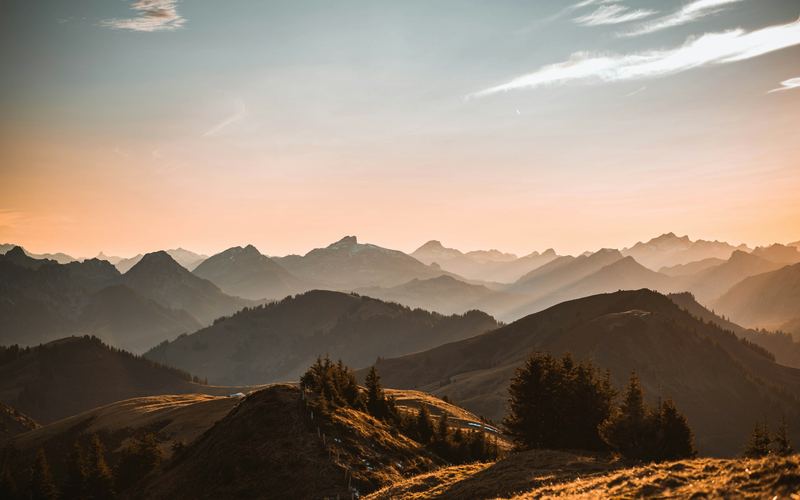
Chad view Chad view

Map View

Explore Chad on the map

Centered on the country’s main cities and scaled to keep the full destination in view.

place 5 Attractions public Google Maps style
search
Search area
Chad
Country location
Chad
Centred from 5 city points.
open_in_new Open in Google Maps

Chad travel overview

The country is well suited for adventurous travelers seeking authentic cultural experiences and wildlife encounters in remote areas. The low to moderate travel cost makes extended stays feasible, while the dry season provides safer road conditions and easier access to national parks and historic sites across Chad’s twenty major cities.

Chad view Chad view

Cities in Chad

Explore the main cities in Chad and open each one for more local details.

Essential Travel Tips

Book Early

Popular routes and hotels fill quickly in peak season.

Mix Transport

Use trains between cities and local transit inside centers.

Stay Central

Base yourself near a walkable area to save time.

Cash Ready

Some small vendors still prefer cash for smaller purchases.

Pack Smart

Comfortable shoes matter more than anything else.

Frequently Asked Questions

What is the best time of year to travel to Chad? expand_more
The optimal period to visit Chad is the dry season, which runs from November through February. During these months rainfall is minimal, roads are more passable, and temperatures are more comfortable for outdoor activities and travel between cities.
Do I need a visa to enter Chad and how can I obtain one? expand_more
Most travelers require a visa to enter Chad. Visas can be applied for at Chadian embassies or consulates before departure, and many nationalities can also obtain an e‑visa online. It is advisable to confirm specific requirements based on your citizenship well in advance of your trip.
Which languages are commonly spoken and will I need a translator? expand_more
French and Arabic are the official languages of Chad and are used in government, business, and education. While many urban residents understand French, English is less common, so having a basic French phrasebook or a translator can be helpful, especially outside major cities.
What is the typical cost of travel and accommodation in Chad? expand_more
Travel expenses in Chad are generally low to moderate. Budget accommodations in cities like N'Djamena can start around $20‑$30 per night, while mid‑range hotels may cost $50‑$80. Meals, local transport, and entry fees to attractions are also affordable, making longer stays financially manageable.
Are there any safety concerns I should be aware of when visiting Chad? expand_more
Travelers should stay informed about security conditions, as some border areas and remote regions experience instability. Major cities have a police presence, but it is recommended to avoid night travel, keep valuables concealed, and follow local advice or updates from your embassy.
What are the main attractions in N'Djamena and other major cities? expand_more
N'Djamena offers the National Museum, bustling markets, and the Grand Mosque. In Moundou, visitors can explore local crafts and the nearby waterfalls. Abéché is known for its historic mosques, while Sarh provides access to the Chari River and wildlife reserves.
What climate can I expect during my visit to Chad? expand_more
Chad has a Sahelian climate, characterized by a hot, dry season and a short rainy season from June to September. Temperatures can exceed 35 °C (95 °F) in the dry months, while the rainy period brings higher humidity and occasional thunderstorms.
How many major cities can I explore in Chad and which are most visited? expand_more
Chad has about twenty recognized cities. The most frequently visited include the capital N'Djamena, Moundou, Abéché, Sarh, and Kelo. These centers provide a mix of cultural sites, markets, and access points for regional excursions.
What cultural experiences are unique to Chad? expand_more
Chad’s cultural landscape features a blend of Arab, French, and numerous indigenous traditions. Visitors can attend traditional music performances, explore local crafts such as leatherwork and pottery, and experience community festivals that showcase the country’s diverse ethnic heritage.
What are the common ways to travel between cities in Chad? expand_more
Inter‑city travel is primarily by road, using shared taxis, minibusses, or private hire vehicles. Major routes connect N'Djamena with Moundou, Sarh, and Abéché. Air travel is limited but available on domestic flights between key cities, especially during the rainy season when roads may be challenging.