Djibouti Coast

Discover Djibouti

A compact guide to Djibouti’s essentials for travelers.

0 Tours
6 Guides
20 Cities
payments

Currency

Djiboutian franc (DJF)

translate

Language

French and Arabic

groups

Population

Approximately 1.1 million

passport

Visa

Visa required; e‑visa or visa on arrival for many nationalities

security

Safety

Generally safe in urban areas; exercise caution near borders

savings

Travel Cost

Moderate; affordable accommodation and meals

wb_sunny

Best Visit

October – May (dry season)

Djibouti at a glance

Djibouti, perched at the Horn of Africa, blends striking desert landscapes with a strategic Red Sea port. Its compact size of 20 cities, including the capital Djibouti and historic Tadjoura, offers a mix of cultural influences and natural wonders such as Lake Assal. The country’s official languages, French and Arabic, reflect its colonial and regional heritage, while the Djiboutian franc serves as the local currency.

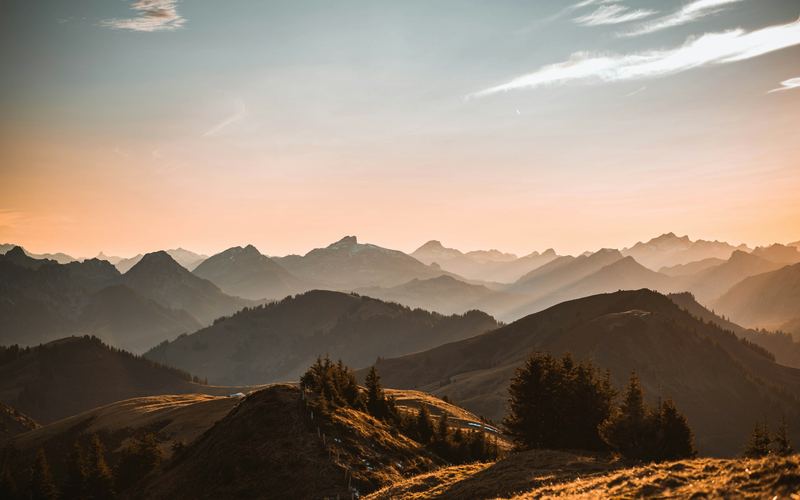
Djibouti view Djibouti view

Map View

Explore Djibouti on the map

Centered on the country’s main cities and scaled to keep the full destination in view.

place 20 Attractions public Google Maps style
search
Search area
Djibouti
Country location
Djibouti
Centred from 20 city points.
open_in_new Open in Google Maps

Djibouti travel overview

The country is ideal for travelers seeking adventure and cultural immersion on a moderate budget. The dry season from October to May provides comfortable temperatures for exploring volcanic formations, coastal diving in the Gulf of Tadjoura, and visiting bustling markets in Djibouti City. Whether you are interested in desert trekking, marine activities, or experiencing the unique blend of French, Arabic, Somali, and Afar cultures, Djibouti offers focused experiences that suit active and curious explorers.

Djibouti view Djibouti view

Essential Travel Tips

Book Early

Popular routes and hotels fill quickly in peak season.

Mix Transport

Use trains between cities and local transit inside centers.

Stay Central

Base yourself near a walkable area to save time.

Cash Ready

Some small vendors still prefer cash for smaller purchases.

Pack Smart

Comfortable shoes matter more than anything else.

Frequently Asked Questions

What is the best time of year to visit Djibouti? expand_more
The optimal period to travel is from October through May, when the country experiences its dry season. During these months, rainfall is minimal and temperatures are milder, making outdoor activities such as desert trekking, coastal diving, and city sightseeing more comfortable.
Do I need a visa to travel to Djibouti? expand_more
Most visitors must obtain a visa. An e‑visa can be applied for online before departure, and many nationalities are eligible for a visa on arrival at Djibouti–Ambouli International Airport. It is advisable to verify specific entry requirements based on your citizenship prior to travel.
Which currency is used in Djibouti and can I use credit cards? expand_more
Djibouti uses the Djiboutian franc (DJF). Credit cards are accepted in larger hotels, restaurants, and some shops in Djibouti City, but cash is preferred in smaller towns, markets, and rural areas. Carrying some local currency ensures smooth transactions throughout the country.
How much does a typical day cost for a traveler in Djibouti? expand_more
Budget travelers can manage on roughly $30‑$50 per day, covering hostel accommodation, local meals, and basic transport. Mid‑range visitors may spend $70‑$100 daily for better lodging and dining options. Overall, Djibouti remains more affordable than many neighboring destinations.
What are the main languages spoken by locals in Djibouti? expand_more
French and Arabic are the official languages used in government and formal settings. Somali and Afar are widely spoken among the population, and English is understood in many tourism‑focused establishments, especially in the capital and larger hotels.
Which cities are worth visiting in Djibouti? expand_more
Key cities include Djibouti (the capital and main gateway), Tadjoura (historic port with vibrant markets), Arta (cultural sites and nearby waterfalls), Dikhil (southern oasis town), and Obock (coastal scenery). Each offers distinct experiences that highlight the country’s diversity.
What natural attractions can I see in Djibouti? expand_more
Djibouti boasts Lake Assal, one of the world’s saltiest lakes set in a dramatic crater, the volcanic landscape of Ardoukoba, the limestone formations of the Day Forest, and the Gulf of Tadjoura, renowned for world‑class diving among coral reefs and marine life.
Is Djibouti safe for solo travelers? expand_more
Urban areas such as Djibouti City and Tadjoura are generally safe when normal precautions are taken. Travelers are advised to avoid remote border zones, stay informed of local advisories, and keep valuables secure, especially after dark.
How can I travel between cities in Djibouti? expand_more
Intercity travel is mainly by shared taxis, private car hires, and limited bus services. Road conditions can vary, particularly on desert routes, so allow extra travel time and consider hiring a driver familiar with local conditions for longer journeys.
Are there regular flights to Djibouti City from major hubs? expand_more
Djibouti–Ambouli International Airport receives scheduled flights from regional hubs such as Addis Ababa, Nairobi, and Dubai. Airlines like Ethiopian Airlines and Air Djibouti operate these routes, providing connections for most international travelers.