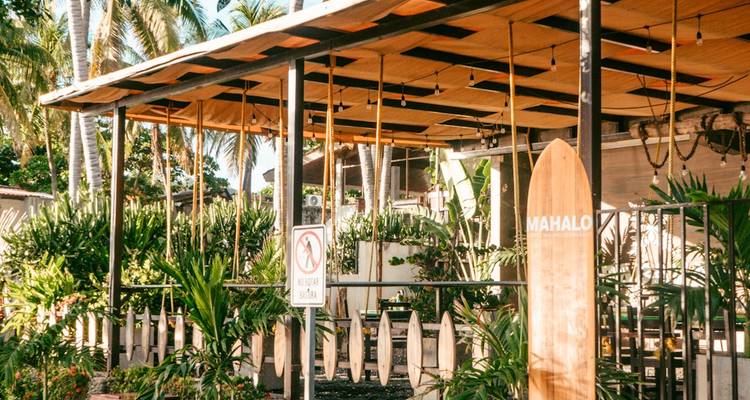
El Salvador Coast

Explore El Salvador

Discover the culture, history, and natural beauty of El Salvador.

1 Tours
6 Guides
5 Cities
payments

Currency

United States Dollar (USD)

translate

Language

Spanish

groups

Population

Approximately 6.5 million

passport

Visa

Visa‑free for most tourists up to 90 days

security

Safety

Generally safe in tourist areas; exercise standard precautions

savings

Travel Cost

Budget‑friendly with low daily expenses

wb_sunny

Best Visit

Dry season, November to April

El Salvador at a glance

El Salvador, a Central American nation of about 6.5 million people, operates on the United States Dollar and Spanish as its official language. Located in the Central Standard Time zone, the country welcomes most visitors visa‑free for up to 90 days. With a tropical climate that shifts from a wet season (May‑October) to a dry season (November‑April), its safety profile is stable in major cities such as San Salvador and Santa Ana, making it a practical choice for travelers.

El Salvador view El Salvador view

Map View

Explore El Salvador on the map

Centered on the country’s main cities and scaled to keep the full destination in view.

place 5 Attractions public Google Maps style
search
Search area
El Salvador
Country location
El Salvador
Centred from 5 city points.
open_in_new Open in Google Maps

El Salvador travel overview

The country is ideal for short cultural tours, beach getaways, and adventure trips. The dry season offers reliable weather for exploring historic sites in San Salvador, surfing along the Pacific coast, or hiking volcanoes. Budget‑friendly costs and easy visa entry support backpackers, families, and independent travelers seeking authentic experiences.

El Salvador view El Salvador view

Essential Travel Tips

Book Early

Popular routes and hotels fill quickly in peak season.

Mix Transport

Use trains between cities and local transit inside centers.

Stay Central

Base yourself near a walkable area to save time.

Cash Ready

Some small vendors still prefer cash for smaller purchases.

Pack Smart

Comfortable shoes matter more than anything else.

Frequently Asked Questions

What visa do I need to enter El Salvador? expand_more
Most nationalities can enter El Salvador without a visa for tourism, staying up to 90 days. Travelers from countries that require a visa must obtain one from an El Salvador embassy or consulate before arrival. Always verify the latest requirements based on your passport before you travel.
How long can I stay in El Salvador as a tourist? expand_more
Tourists who enter visa‑free are allowed to remain for up to 90 days. Extensions may be requested through the immigration office in San Salvador, subject to approval. The total stay, including any extensions, should not exceed the limits set by Salvadoran immigration authorities.
When is the best time of year to travel to El Salvador? expand_more
The optimal period for visiting El Salvador is the dry season, which runs from November through April. During these months rainfall is minimal, temperatures are warm, and conditions are ideal for beach activities, city tours, and outdoor adventures such as hiking volcanoes.
What is the climate like throughout the year? expand_more
El Salvador has a tropical climate with two distinct seasons. The wet season spans May to October, bringing frequent afternoon showers and higher humidity. The dry season, from November to April, features sunny days, lower humidity, and more predictable weather, making it the preferred travel window for most visitors.
Which language is spoken in El Salvador and will I be understood if I speak English? expand_more
Spanish is the official language of El Salvador and is used in all public signage and services. In major tourist areas, hotels, and restaurants, staff often speak basic English, but proficiency varies. Learning a few common Spanish phrases can greatly improve communication and enhance your travel experience.
What currency is used and can I use credit cards? expand_more
El Salvador uses the United States Dollar (USD) for all transactions. Credit and debit cards are widely accepted in hotels, restaurants, and larger shops in cities such as San Salvador and Santa Ana. ATMs dispense USD, and it is advisable to carry some cash for smaller vendors and markets.
How much does a typical day cost for a budget traveler in El Salvador? expand_more
A budget traveler can comfortably spend between $30 and $50 per day. This estimate covers inexpensive meals, hostel or budget hotel accommodation, local bus transportation, and entry to most attractions. Costs can be lower in rural areas or higher in upscale establishments, but overall expenses remain modest compared with many neighboring destinations.
Is El Salvador safe for tourists and which precautions should I take? expand_more
Tourist zones in El Salvador are generally safe, especially during daylight hours. Visitors should avoid isolated neighborhoods after dark, keep valuables out of sight, and use reputable transportation services. Staying informed about local news and following advice from hotel staff or official tourism offices helps minimize risk.
Which cities should I include in a short itinerary? expand_more
Key cities for a concise itinerary include San Salvador (the capital), Santa Ana (known for its colonial architecture), San Miguel (cultural festivals), Sonsonate (historic markets), and Cojutepeque (mountain views). Each offers distinct attractions, from museums and plazas to nearby natural sites, providing a well‑rounded glimpse of the country.
What are the main transportation options between major cities? expand_more
Inter‑city travel is primarily served by a comprehensive bus network, offering frequent, affordable routes between major centers. Shared taxis (colectivos) provide faster, door‑to‑door service on popular corridors. Domestic flights are limited, while car rentals are available for travelers who prefer independent road trips.