Eritrea Coast

Explore Eritrea

Discover Eritrea’s historic cities, diverse landscapes and cultural heritage.

0 Tours
6 Guides
18 Cities
payments

Currency

Eritrean Nakfa (ERN)

translate

Language

Tigrinya, Arabic, English

groups

Population

Approximately 6 million

passport

Visa

Required for most; on‑arrival for select nationals, otherwise apply before travel

security

Safety

Moderate; exercise caution and avoid border areas

savings

Travel Cost

Moderate; budget‑friendly accommodation and meals available

wb_sunny

Best Visit

October – March (dry season)

Eritrea at a glance

Eritrea, located in the Horn of Africa, offers a blend of historic architecture, vibrant cities and varied landscapes. Its capital, Asmara, showcases modernist designs, while coastal towns like Massawa provide a glimpse of Red Sea culture. With a population of about six million, the country operates on East Africa Time (UTC+3) and experiences a semi‑arid climate that shifts from hot coastal weather to milder highland conditions.
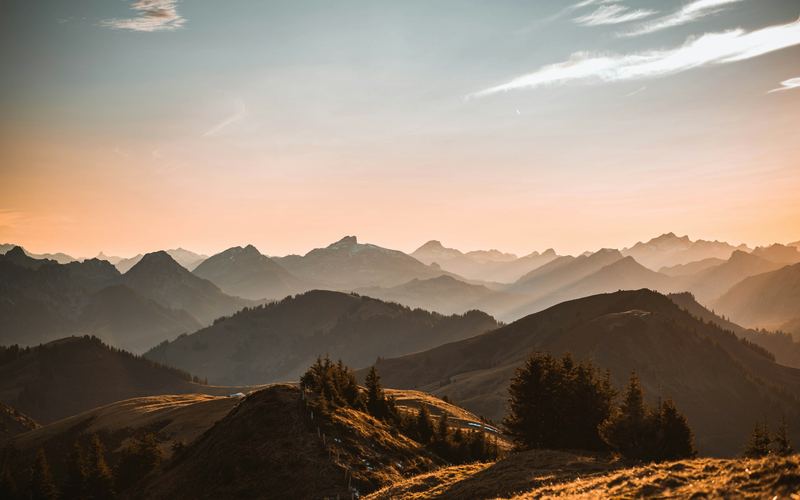
Eritrea view Eritrea view

Map View

Explore Eritrea on the map

Centered on the country’s main cities and scaled to keep the full destination in view.

place 18 Attractions public Google Maps style
search
Search area
Eritrea
Country location
Eritrea
Centred from 18 city points.
open_in_new Open in Google Maps

Eritrea travel overview

The country suits travelers interested in cultural heritage, architecture and coastal experiences. Visitors can explore Asmara’s UNESCO‑listed streets, enjoy Red Sea beaches in Massawa, or trek the cooler highlands around Keren. The moderate travel costs and clear dry season from October to March make Eritrea appealing for budget‑conscious tourists seeking authentic East African destinations.

Eritrea view Eritrea view

Essential Travel Tips

Book Early

Popular routes and hotels fill quickly in peak season.

Mix Transport

Use trains between cities and local transit inside centers.

Stay Central

Base yourself near a walkable area to save time.

Cash Ready

Some small vendors still prefer cash for smaller purchases.

Pack Smart

Comfortable shoes matter more than anything else.

Frequently Asked Questions

What documents are needed to obtain a visa for Eritrea? expand_more
Travelers generally need a valid passport, a completed visa application form, a recent passport‑size photo, and proof of travel arrangements such as a flight itinerary or invitation letter. Some nationalities can receive a visa on arrival, but most must apply at an Eritrean diplomatic mission before departure.
When is the best time of year to travel to Eritrea for pleasant weather? expand_more
The most favorable period is the dry season from October through March. During these months the climate is milder across the highlands and the coastal areas remain warm but less humid, providing comfortable conditions for sightseeing and outdoor activities.
How much does a typical daily budget cost for a traveler in Eritrea? expand_more
A moderate budget of around US 30–50 per day can cover basic accommodation, local meals, modest transportation and entry fees to major attractions. Costs can be lower for hostel‑style lodging and street food, while higher‑end hotels and organized tours will increase the daily expense.
Which cities are most recommended for first‑time visitors to Eritrea? expand_more
Asmara, the capital, is essential for its modernist architecture; Keren offers highland scenery and historic sites; Massawa provides Red Sea beaches and Ottoman‑era buildings; and the port city of Assab adds a coastal perspective. These locations give a balanced view of Eritrea’s culture and geography.
Are there any cultural considerations travelers should be aware of in Eritrea? expand_more
Respect for local customs is important. Dress modestly, especially in rural areas, and seek permission before photographing people. Arabic and Tigrinya greetings are appreciated, and awareness of Islamic prayer times can help plan visits to markets and public spaces.
What are the main attractions in Asmara, the capital of Eritrea? expand_more
Asmara is known for its well‑preserved modernist architecture, including the Fiat Tagliero Building and the Cinema Impero. The city’s wide avenues, Art Deco churches and vibrant cafés reflect Italian colonial influence, making it a UNESCO World Heritage site.
What coastal experiences can visitors enjoy in Massawa? expand_more
Massawa offers Red Sea beaches, historic Ottoman forts, and a lively waterfront market. Visitors can explore coral reefs, take boat trips, and sample fresh seafood while observing the blend of Arab and Italian architectural styles along the promenade.
How does the climate differ between Eritrea’s highlands and its coastline? expand_more
The highland areas, such as around Asmara and Keren, experience milder temperatures with cooler evenings, especially during the dry season. In contrast, the coastal zones like Massawa and Assab are hotter and more humid year‑round, with higher temperatures in summer months.
What historical influences are evident in Eritrea’s architecture? expand_more
Eritrea’s built environment reflects Italian colonial modernism, Ottoman and Arab trade heritage, and indigenous African styles. Structures such as the Fiat Tagliero Building in Asmara and the Ottoman forts in Massawa illustrate these layered historical influences.
What are the common ways to travel between major cities in Eritrea? expand_more
Inter‑city travel is typically by road using shared minibusses or private taxis. Bus services connect Asmara with Keren, Massawa and other towns, though schedules may be irregular. Private car hire is also an option for more flexible itineraries.