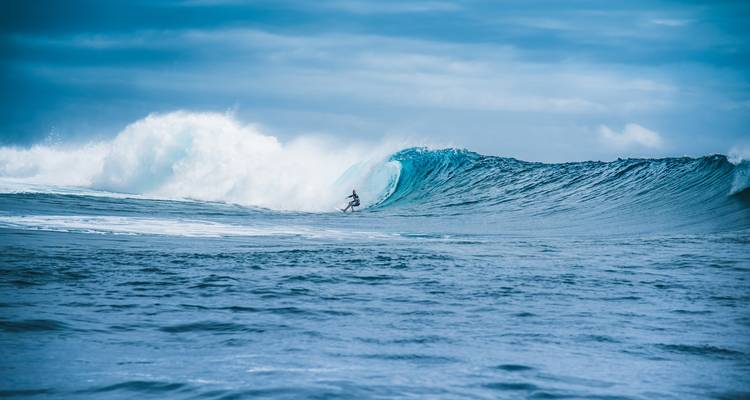
French Polynesia Coast

French Polynesia

Island paradise in the South Pacific with French and Tahitian culture.

1 Tours
6 Guides
5 Cities
payments

Currency

CFP franc (XPF)

translate

Language

French, Tahitian

groups

Population

Approximately 280,000

passport

Visa

Visa‑free for up to 90 days for most tourists; other nationals need a visa

security

Safety

Generally safe; petty theft reported in tourist areas

savings

Travel Cost

Moderate to high due to remote location

wb_sunny

Best Visit

May to October (dry season)

French Polynesia at a glance

French Polynesia is an overseas collectivity in the South Pacific comprising over 100 islands. The territory uses the CFP franc and recognizes French and Tahitian as official languages. With a population near 280,000, it operates on UTC‑10 time. Most visitors can enter visa‑free for up to 90 days, and the overall safety level is considered good, though travelers should guard against petty theft. The climate is tropical, offering warm temperatures year‑round, and the dry season from May to October provides the most reliable weather for outdoor activities. Popular urban centers include Papeete, Faaa, and Punaauia.

French Polynesia view French Polynesia view

Map View

Explore French Polynesia on the map

Centered on the country’s main cities and scaled to keep the full destination in view.

place 5 Attractions public Google Maps style
search
Search area
French Polynesia
Country location
French Polynesia
Centred from 5 city points.
open_in_new Open in Google Maps

French Polynesia travel overview

The climate and island geography make French Polynesia suitable for beach leisure, snorkeling, and inter‑island cruising, especially during the dry months of May to October. Visitors interested in cultural immersion can explore French and Tahitian influences in cities such as Papeete and Mahina. The moderate to high travel cost aligns with the remote location, encouraging travelers to plan budgets that cover accommodation, inter‑island transport, and activities. Safety conditions support independent exploration, while the modest population ensures a relaxed atmosphere across its 20 cities.

French Polynesia view French Polynesia view

Essential Travel Tips

Book Early

Popular routes and hotels fill quickly in peak season.

Mix Transport

Use trains between cities and local transit inside centers.

Stay Central

Base yourself near a walkable area to save time.

Cash Ready

Some small vendors still prefer cash for smaller purchases.

Pack Smart

Comfortable shoes matter more than anything else.

Frequently Asked Questions

What are the visa requirements for entering French Polynesia? expand_more
Most tourists from Europe, North America, Australia and New Zealand can enter French Polynesia without a visa for stays up to 90 days. Visitors from countries that do not have a visa‑free agreement must obtain a visa in advance from a French consulate. The visa, when required, is typically a short‑term tourist authorization.
How long can I stay in French Polynesia without a visa? expand_more
Travelers who are eligible for visa‑free entry may remain in French Polynesia for a maximum of 90 days per visit. Extensions beyond this period require a formal visa application and approval from French authorities before the initial stay expires.
When is the optimal season to travel to French Polynesia? expand_more
The dry season, running from May through October, offers the most consistent weather for outdoor activities such as beach visits and island hopping. During these months rainfall is lower and temperatures remain warm, making travel plans more predictable.
What currency is used in French Polynesia and can I exchange money there? expand_more
French Polynesia uses the CFP franc (XPF). Currency exchange services are available at major banks, airports, and hotels in larger towns like Papeete. Credit cards are widely accepted in tourist areas, but it is advisable to carry some cash for smaller vendors.
What budget range should I expect for a typical trip to French Polynesia? expand_more
Because the islands are remote, travel costs are generally moderate to high. Accommodation, meals, and inter‑island transport can add up, especially during the peak dry season. Budget travelers often allocate a higher daily amount than they would for mainland destinations.
Which cities are most frequently visited by tourists in French Polynesia? expand_more
The capital area, including Papeete, Faaa, and Punaauia, receives the highest visitor numbers. Other notable towns such as Mahina, Paea, and Vaitape also attract travelers seeking local markets, cultural sites, and access to nearby islands.
Are there any health or safety considerations I should be aware of? expand_more
French Polynesia is considered safe with low levels of violent crime. Petty theft can occur in crowded tourist spots, so keep valuables secure. Standard health precautions apply; bring any personal medications and consider travel insurance that covers medical evacuation due to the islands' distance from major hospitals.
What languages are spoken by locals in French Polynesia? expand_more
French is the primary administrative language, while Tahitian is widely spoken in daily life and cultural contexts. English is understood in most tourist facilities, but using basic French or Tahitian greetings can enhance interactions.
How would you describe the climate throughout the year? expand_more
The territory experiences a tropical climate with warm temperatures year‑round. The dry season (May‑October) brings lower humidity and less rain, while the wet season (November‑April) sees higher rainfall and occasional tropical storms.
What are the main attractions in and around the capital region? expand_more
In the capital area, visitors can explore markets, museums, and waterfront promenades in Papeete. Nearby beaches, such as those in Punaauia and Mahina, offer swimming and snorkeling. Cultural sites showcase French and Tahitian heritage, and short boat trips provide access to surrounding islands.