 Lilshira


Discover Germany
Essential facts for traveling across Germany’s major cities.
Currency
Euro (EUR)
Language
German
Population
Approximately 84 million
Visa
Visa‑free for EU/EEA and many nationals up to 90 days; Schengen visa required otherwise
Safety
Low crime levels; generally safe for tourists with standard precautions
Travel Cost
Moderate to high; €70‑150 per day average
Best Visit
May‑September
Germany at a glance
Germany, home to around 84 million people, uses the Euro and German as its official language. The country operates on Central European Time and offers a temperate climate with distinct seasons. Travelers benefit from a generally safe environment and moderate to high daily expenses, making it a well‑balanced destination for a range of budgets and interests.


Tours & Activities
Curated experiences led by local experts.

Best of Germany (Classic)
12 Days • Curated activity
From $3,465

Romantischer Rhein von Frankfurt nach Koblenz
4 Days • Curated activity
From $0

Romantic Danube (Christmas Cruise) 2024
8 Days • Curated activity
From $0
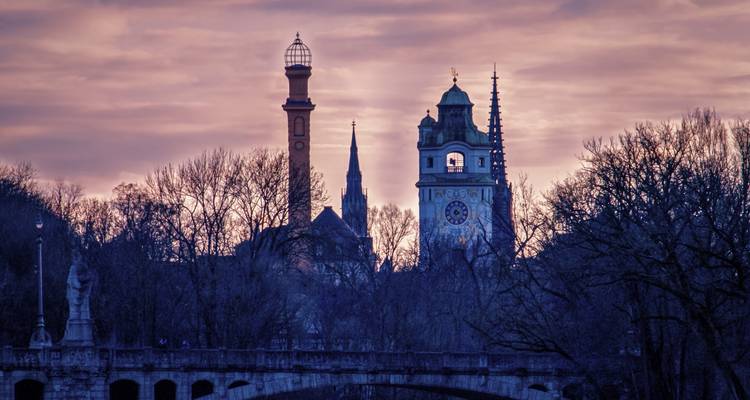
5 Days Munich and Bavaria (Including Salzburg & Garmisch)
5 Days • Curated activity
From $947
Map View
Explore Germany on the map
Centered on the country’s main cities and scaled to keep the full destination in view.
Germany travel overview
The country’s major urban centers—Berlin, Hamburg, Munich, Cologne, Frankfurt, Düsseldorf, Stuttgart, Essen, Dortmund and Dresden—cater to cultural, business and historical itineraries. With its visa‑free access for many nationalities and a climate that is mild from May to September, Germany suits city‑focused trips, seasonal tours and multi‑city rail journeys.
Cities in Germany
Explore the main cities in Germany and open each one for more local details.

Berlin
Bochum
Bremen
Cologne
Dortmund
Dresden
Duisburg
Düsseldorf
Essen
Frankfurt
Frankfurt am Main
Hamburg
Hannover
Köln
Leipzig
Munich
Nuremberg
Stuttgart
Wandsbek
Wuppertal
Essential Travel Tips
Book Early
Popular routes and hotels fill quickly in peak season.
Mix Transport
Use trains between cities and local transit inside centers.
Stay Central
Base yourself near a walkable area to save time.
Cash Ready
Some small vendors still prefer cash for smaller purchases.
Pack Smart
Comfortable shoes matter more than anything else.
Travel guides for Germany
Practical answers for planning your trip to Germany.