Malta Coast

Malta Travel Guide

Essential facts for visiting Malta.

3 Tours
6 Guides
5 Cities
payments

Currency

Euro (EUR)

translate

Language

Maltese, English

groups

Population

≈ 516,000

passport

Visa

Visa‑free for EU, US, UK up to 90 days; others may need Schengen visa

security

Safety

Low crime rate; generally safe for tourists

savings

Travel Cost

Moderate; budget travelers spend around €50‑70 per day

wb_sunny

Best Visit

April‑June and September‑October

Malta at a glance

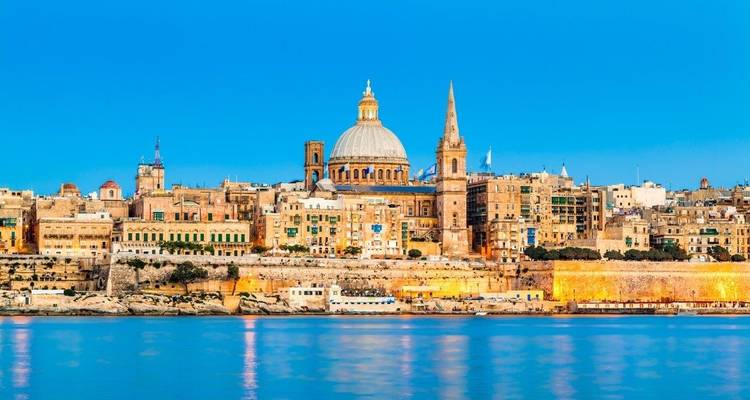
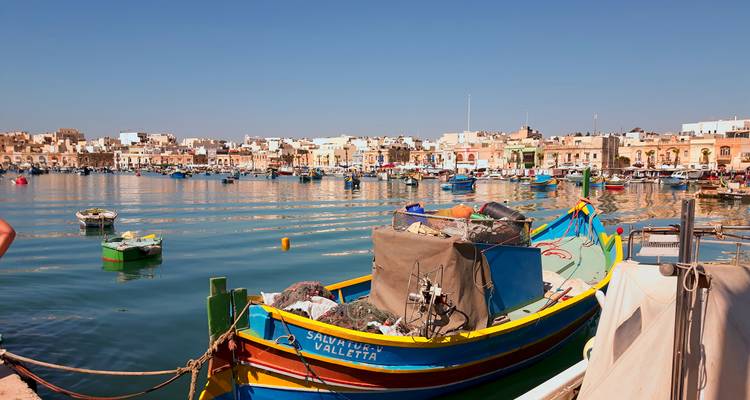
Malta is a Mediterranean island nation known for its blend of historic fortifications, clear waters, and English‑speaking environment. The country uses the Euro, has a population of about half a million, and offers a low‑crime atmosphere that makes it comfortable for visitors. With moderate daily expenses and pleasant weather in spring and autumn, Malta stands out as an accessible and culturally rich destination. Popular urban centers include San Pawl il‑Baħar, Birkirkara, Mosta, Sliema, and Valletta.

Malta view Malta view

Map View

Explore Malta on the map

Centered on the country’s main cities and scaled to keep the full destination in view.

place 5 Attractions public Google Maps style
search
Search area
Malta
Country location
Malta
Centred from 5 city points.
open_in_new Open in Google Maps

Malta travel overview

Malta suits a range of travel styles: history enthusiasts can explore Valletta’s UNESCO sites and the ancient temples of Ħaġar Qim; beach lovers enjoy the sandy bays of St. Julian’s and Golden Bay; families benefit from compact distances that keep travel times short; and budget travelers find affordable accommodation and dining across the 20 cities. The island’s reliable bus network and left‑hand driving also support flexible itineraries.

Malta view Malta view

Essential Travel Tips

Book Early

Popular routes and hotels fill quickly in peak season.

Mix Transport

Use trains between cities and local transit inside centers.

Stay Central

Base yourself near a walkable area to save time.

Cash Ready

Some small vendors still prefer cash for smaller purchases.

Pack Smart

Comfortable shoes matter more than anything else.

Frequently Asked Questions

What is the easiest way to get to Malta? expand_more
The most convenient entry point is Malta International Airport (MLA), which receives direct flights from major European hubs such as London, Rome, and Frankfurt. Upon arrival, taxis, rideshare services, and the island’s public bus system provide straightforward connections to Valletta and other popular cities.
How long does it take to travel between Malta’s major cities? expand_more
Malta’s compact size means distances between key towns like Valletta, Sliema, and St. Paul’s Bay range from 10 to 15 kilometres. By car or bus, journeys typically last 15 to 30 minutes. Even the longest intra‑island trips, such as reaching the ferry terminal for Gozo, rarely exceed an hour including crossing time.
Do I need a visa to visit Malta? expand_more
Citizens of EU member states, the United States, the United Kingdom and many other countries can enter Malta visa‑free for stays up to 90 days within a 180‑day period. Travelers from nations that require a Schengen visa must obtain one before arrival. Always verify the latest requirements based on your nationality.
What is the typical daily cost for a budget traveler in Malta? expand_more
A budget traveler can expect to spend roughly €50‑70 per day, covering hostel or budget hotel accommodation, meals at inexpensive eateries, local bus fares, and modest entrance fees to attractions. Prices can vary seasonally, with higher costs during the peak summer months.
When is the most comfortable time of year to visit Malta for outdoor activities? expand_more
The most comfortable periods are April to June and September to October, when temperatures are mild, rainfall is limited, and the sea is warm enough for swimming. These shoulder seasons also avoid the highest tourist density and peak accommodation rates.
Which currency should I use and can I exchange money easily in Malta? expand_more
Malta uses the Euro (EUR). Currency exchange services are widely available at the airport, banks, and most hotels. ATMs dispense euros throughout the islands, and credit cards are accepted at most restaurants, shops, and attractions.
How can I find reliable accommodation in Malta’s popular cities? expand_more
Booking platforms, reputable travel agencies, and official tourism websites list hotels, guesthouses, and apartments across cities such as Valletta, Sliema, and St. Paul’s Bay. Reading recent guest reviews and confirming cancellation policies helps ensure a suitable and trustworthy stay.
Which Maltese cities are best for nightlife and dining? expand_more
St. Julian’s, particularly the Paceville district, offers the island’s most active nightlife scene with bars and clubs. Sliema and Valletta provide a wide range of restaurants, cafés, and waterfront venues, while St. Paul’s Bay combines lively evening options with a scenic promenade.
What historic sites should I not miss when visiting Malta? expand_more
Key historic sites include the fortified capital Valletta, the medieval city of Mdina, the megalithic temples of Ħaġar Qim and Mnajdra, and the underground Ħal Saflieni Hypogeum. These locations showcase Malta’s layered past from prehistoric times through the Knights of St. John.
What type of climate can I expect during Malta’s summer months? expand_more
Summers in Malta are Mediterranean, characterized by hot, dry conditions with average high temperatures ranging from 30 °C to 33 °C (86‑91 °F). Sunshine dominates, and sea temperatures rise to comfortable levels for swimming, while rainfall remains minimal.